




What's Happening?
Tyson Foods has announced a strategic restructuring of its beef operations to enhance long-term performance. The company will focus its beef business around three key facilities located in Dakota City, Nebraska; Holcomb, Kansas; and Amarillo, Texas. This
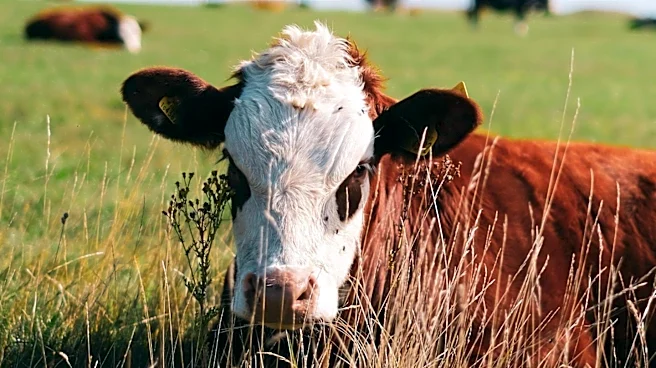
move is in response to a significant cattle shortage in the United States, as indicated by recent USDA cattle inventory data. The restructuring involves closing operations at the Joslin, Illinois, and Eagle Mountain, Utah facilities, and selling the Pasco, Washington facility. Tyson Foods plans to increase capacity at the Amarillo facility by adding a second shift as cattle availability improves. The company aims to maintain its cattle harvesting levels while optimizing its operational efficiency.
Why It's Important?
This restructuring is crucial for Tyson Foods to remain competitive in the face of ongoing cattle shortages, which have been exacerbated by limited heifer retention. By consolidating operations into more strategically located facilities, Tyson Foods aims to streamline its supply chain and reduce operational costs. This move could potentially stabilize beef prices and ensure a steady supply of beef products to the market. The decision also reflects broader industry challenges, as other meat producers may face similar supply constraints. The impact on local economies, particularly in areas where facilities are closing, could be significant, affecting jobs and local businesses.
What's Next?
Tyson Foods is committed to supporting its employees affected by the closures, offering assistance in finding new positions within the company. The restructuring process will likely involve logistical adjustments and potential negotiations with local governments and stakeholders. As the company ramps up operations at the Amarillo facility, it will need to manage workforce training and integration. The broader beef industry will be watching closely to see if Tyson's strategy proves effective in mitigating the impacts of cattle shortages. Future USDA reports on cattle inventory will be critical in assessing the long-term viability of this restructuring.