

What's Happening?
Marvel Studios is shifting its approach to character design, aiming for greater comic-book accuracy for the X-Men in the upcoming film 'Avengers: Doomsday,' set for release on December 18, 2026. This decision marks a departure from the more grounded and
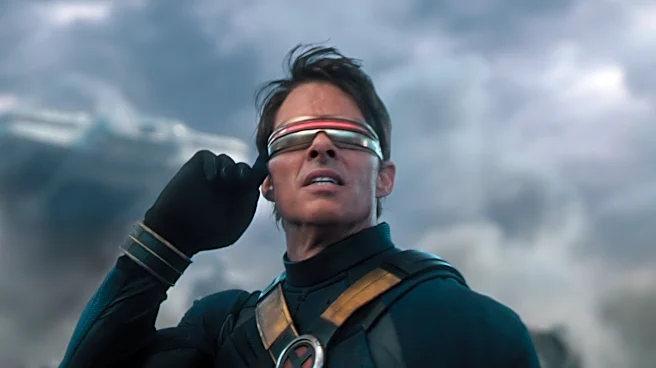
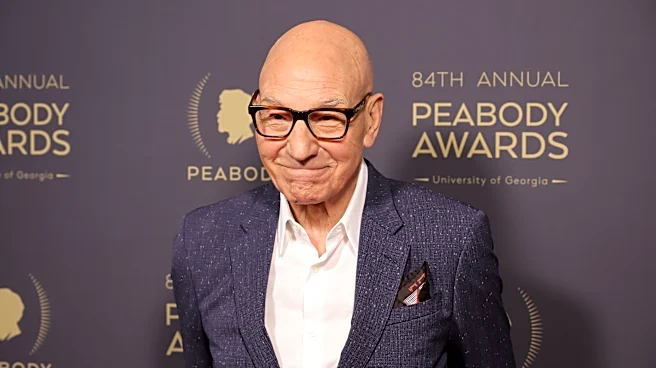
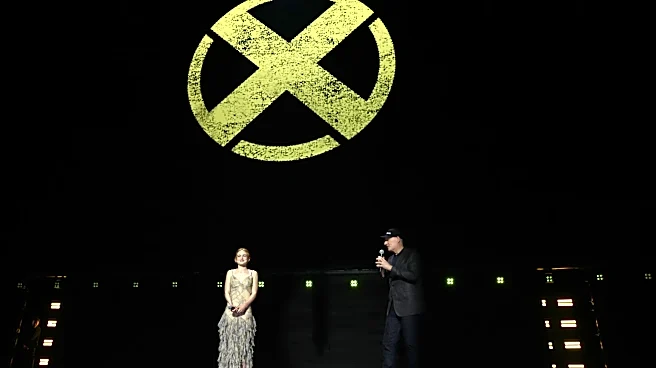
darker tones seen in the original X-Men trilogy from the early 2000s, which often featured less colorful and comic-faithful costumes. The film will bring back several original X-Men actors, including Patrick Stewart as Professor X, Ian McKellen as Magneto, James Marsden as Cyclops, Alan Cumming as Nightcrawler, Kelsey Grammer as Beast, Rebecca Romijn as Mystique, and Channing Tatum as Gambit. These legacy characters will be depicted in costumes that more closely resemble their 1990s comic book appearances. For instance, Mystique will wear a blue-and-white jumpsuit with forehead jewelry, moving away from her previously bare-skinned portrayal, and Cyclops will don his vibrant blue-and-yellow suit. The Russo Brothers are directing 'Avengers: Doomsday,' which also features Robert Downey Jr., Chris Hemsworth, Chris Evans, and Florence Pugh.
Why It's Important?
This strategic shift by Marvel Studios is significant for several reasons, primarily impacting fan engagement and the creative direction of the Marvel Cinematic Universe (MCU). By embracing comic-accurate costumes, Marvel Studios is directly responding to long-standing fan desires for authenticity, potentially strengthening its connection with its core audience. This move also signals a clear integration of the X-Men characters into the established MCU aesthetic, which has historically favored bold and colorful designs for characters like Loki, Captain America, and Spider-Man. The decision to reintroduce legacy X-Men actors in new, comic-faithful attire allows Marvel to honor the characters' cinematic history while simultaneously aligning them with the MCU's visual identity. This could set a precedent for future X-Men adaptations, including the planned reboot in 2028, by establishing a consistent visual language across the franchise. The change also highlights Marvel Studios' full ownership and creative control over the X-Men characters following the Disney-Fox merger, allowing them to redefine the characters' on-screen presence.
What's Next?
The immediate next step is the release of 'Avengers: Doomsday' on December 18, 2026, where audiences will see the new comic-accurate X-Men costumes in action. The reception of these updated designs by fans and critics will likely influence future character portrayals within the MCU. Following this, Marvel Studios is planning a new X-Men film with a fresh cast in 2028. It is anticipated that this reboot will also adopt a similar approach to comic accuracy, potentially drawing from different eras of X-Men comics, such as the 'New X-Men,' to differentiate the new generation from the 'Avengers: Doomsday' characters. This consistent emphasis on comic fidelity could extend to other MCU characters who have yet to receive fully comic-accurate looks, such as Hawkeye or the Maximoff twins, as Marvel Studios continues to lean into its comic origins. The success of this strategy in 'Avengers: Doomsday' will be a key indicator for the future visual direction of the entire MCU.
Beyond the Headlines
Beyond the immediate visual changes, Marvel Studios' decision to prioritize comic accuracy for the X-Men carries deeper implications for the evolving relationship between source material and cinematic adaptation. This move reflects a growing trend in the entertainment industry where studios are increasingly responsive to fan communities and their expectations for faithful adaptations. It also underscores a potential shift away from the 'grounded and gritty' aesthetic that dominated superhero films in the early 2000s, favoring instead a more vibrant and fantastical visual style that aligns with the comic book origins. Ethically, this approach can be seen as a commitment to the artistic integrity of the original creators and a recognition of the cultural significance of these characters. Legally, it solidifies Marvel Studios' complete creative control over the X-Men intellectual property, allowing them to fully integrate these characters into their expansive cinematic universe without the constraints of previous studio interpretations. This could lead to a more cohesive and visually unified MCU moving forward, potentially influencing how other studios approach their own comic book adaptations.