






What's Happening?
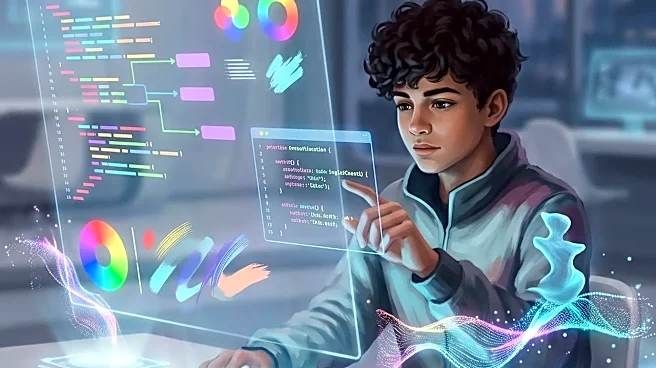
Epic Games is undergoing a significant strategic shift towards AI-powered game development, as announced by CEO Tim Sweeney. This pivot involves retooling development teams for 'maximum AI acceleration' and has led to the delay of an unannounced Disney
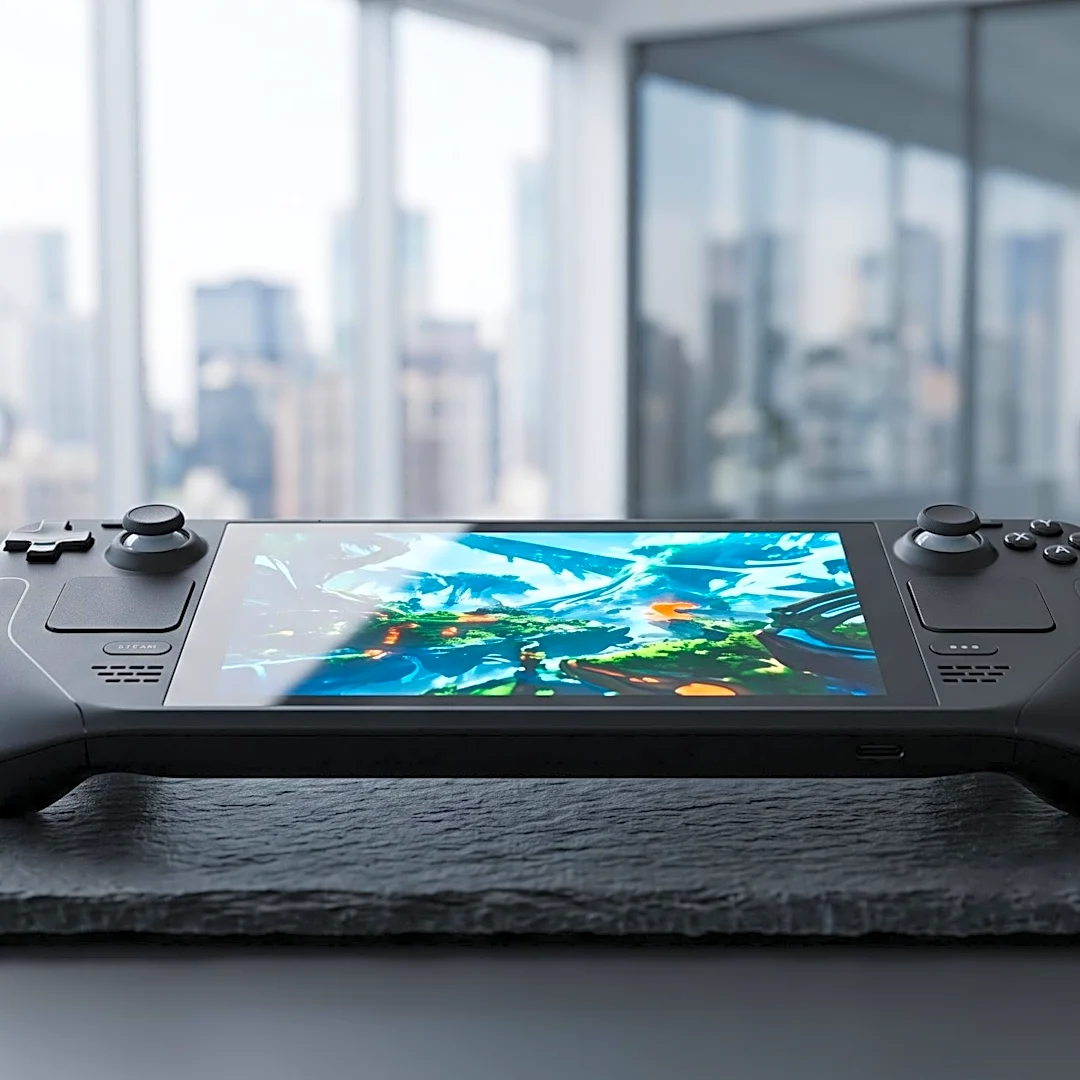
game to prioritize an 'AI first' production model. Concurrently, Epic Games has released a preview of its new, rebuilt PC games launcher, which was developed using AI-assisted techniques and is now available for Windows, Mac, and for the first time, Linux. The company claims the new launcher is substantially faster than its predecessor and even faster than Steam in various metrics, including startup times and library loading speeds. The new launcher also introduces features like the Epic Parties social experience, a customizable navigation bar, and the ability to detect games from other platforms like Steam and Xbox PC app.
Why It's Important?
This move by Epic Games signals a major industry trend towards integrating artificial intelligence deeply into game development and operational processes. By embracing an 'AI first' approach, Epic aims to enhance productivity and enable developers to create 'MORE and BETTER stuff,' potentially setting a new standard for efficiency and innovation in the gaming sector. The release of a significantly faster, AI-assisted launcher with native Linux support could attract a broader user base, particularly those on Linux who previously lacked direct access to Epic's ecosystem, including popular titles like Fortnite. This could intensify competition in the digital game distribution market, challenging established platforms like Steam with superior performance and expanded compatibility. The emphasis on AI in development also raises questions about the future of traditional coding roles and the potential for AI to reshape creative and technical workflows in the entertainment industry.
What's Next?
Epic Games plans to fully launch the new launcher once it is deemed stable and achieves feature parity with the current version, though a specific timeline has not been provided. The company intends to eventually transition all users to the new launcher. Furthermore, Epic is working on rebuilding its Easy Anti-Cheat system for Linux to enable Fortnite's availability on the platform, with plans to make this new anti-cheat implementation accessible to other game developers. Future updates for the launcher will focus on improving game discovery and personalization through enhanced recommendations and social features, allowing users to more easily recommend and share games. The company will continue to collaborate with Linux distribution maintainers to expand compatibility and address security requirements for its anti-cheat system.
Beyond the Headlines
Epic Games' aggressive adoption of AI in development, including the use of 'vibe coding' where AI tools generate code, highlights a broader industry shift towards automation and AI-driven content creation. While Epic frames this as a means to empower developers and improve output, it also sparks discussions about the evolving role of human creativity versus algorithmic generation in artistic fields. The company's willingness to openly discuss its AI-assisted development, despite potential public disapproval, suggests a strong commitment to this technological direction. This could lead to a re-evaluation of intellectual property rights in AI-generated content and the ethical implications of AI's increasing involvement in creative processes. The expansion into Linux also underscores a strategic effort to broaden market reach and potentially foster a more inclusive gaming environment, while simultaneously navigating the complexities of security and compatibility across diverse operating systems.