


What's Happening?
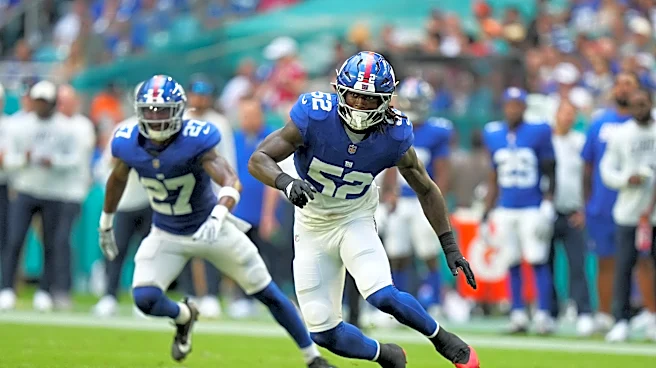
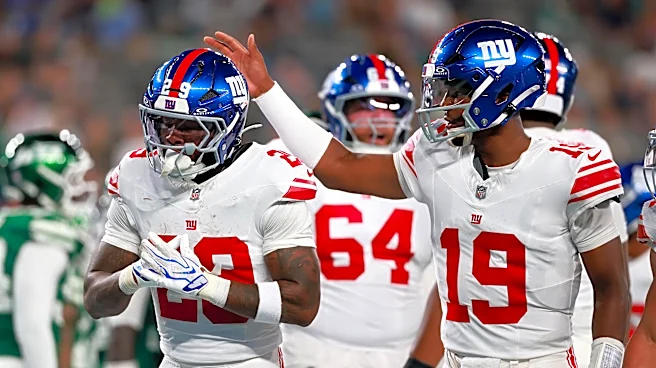
New York Giants running back Cam Skattebo's recent actions, including a failed backflip attempt and skirmishes during practice, are raising concerns about his judgment and the advice he receives from his agent. Skattebo's comments, indicating he will
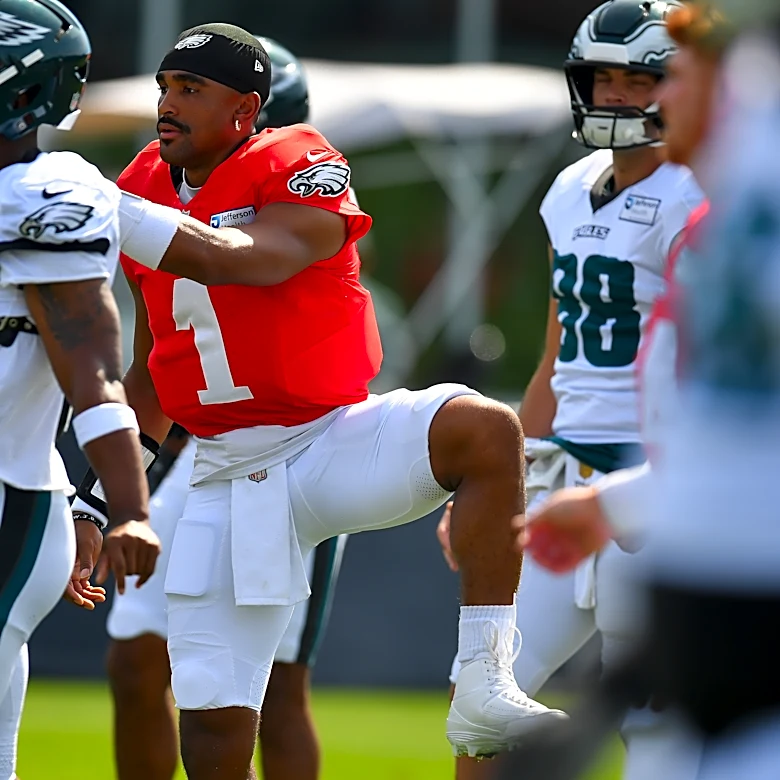
'keep being me' despite criticism, suggest a potential disregard for counsel. This situation draws a comparison to Erik Burkhardt, the agent who eventually dropped 2012 Heisman Trophy winner Johnny Manziel as a client. While Skattebo's antics are described as 'benign' compared to Manziel's, the underlying issue of a player not heeding an agent's advice is highlighted. Agents are expected to provide candid guidance, especially when a player's actions could jeopardize their career or contract.
Why It's Important?
This scenario underscores the critical role of player agents in professional sports, particularly in guiding athletes through the complexities of their careers. For U.S. sports, where player contracts involve significant financial investments and public image is paramount, an agent's ability to influence a client's behavior is vital. Skattebo's situation, and the historical parallel to Manziel, illustrates how a player's off-field or non-game-related actions can impact their standing with a team, their contract guarantees, and their long-term career prospects. It also highlights the delicate balance agents must strike between advocating for their clients and providing necessary, sometimes unpopular, advice to protect their careers.
What's Next?
Skattebo's performance in the upcoming regular season will be crucial in determining how these preseason antics are perceived. If he performs well, the incidents may be dismissed as minor. However, continued questionable behavior could lead to further scrutiny from the Giants' coaching staff and management, potentially impacting his playing time or future with the team. The situation also puts a spotlight on the relationship between players and their agents, emphasizing the need for effective communication and trust. Agents may need to re-evaluate their strategies for counseling clients who show resistance to advice, especially given the high stakes involved in professional sports careers.
Beyond the Headlines
The deeper implications of this story touch upon the broader culture of professional sports and the challenges young athletes face in managing fame, wealth, and public expectations. The comparison to Johnny Manziel, whose career was derailed by off-field issues, serves as a stark reminder of the potential consequences of unchecked behavior. This situation raises questions about the support systems in place for athletes, including the effectiveness of agent-client relationships and team guidance. It also highlights the ethical dilemma agents face when a client's actions are detrimental to their career, and the difficult decision of whether to continue representation or sever ties, as Burkhardt did with Manziel.