
What's Happening?
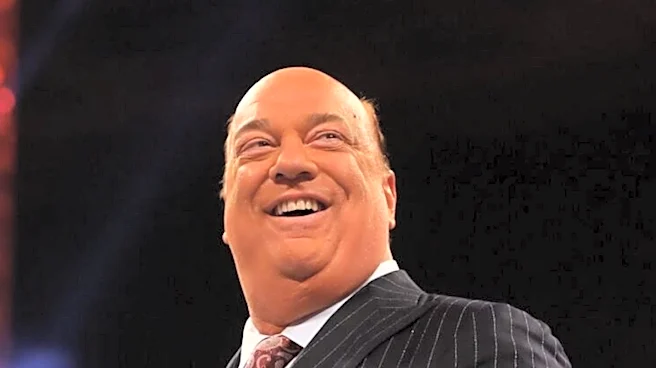
WWE Hall of Famer Rob Van Dam (RVD) revealed that he initially rejected an offer from Paul Heyman to join Extreme Championship Wrestling (ECW). According to RVD, Heyman's first proposal involved traveling to Philadelphia, losing to Mikey Whipwreck, and
receiving only a few hundred dollars. At the time, RVD was earning significantly more money wrestling for All Japan Pro Wrestling under Giant Baba, making the ECW offer financially unappealing. RVD stated that he had no interest in taking such a deal, especially since he was already well-compensated in Japan and did not need to take independent bookings in the United States. The revelation came during an appearance on 'Stories With Brisco And Bradshaw,' where RVD detailed how fellow wrestler Sabu persistently tried to connect him with Heyman, despite RVD's initial disinterest in ECW's offer. Sabu's continued efforts were crucial in eventually bringing RVD to ECW, as RVD was prepared to pass on the opportunity due to the low pay and the requirement to lose to another wrestler.
Why It's Important?
This anecdote highlights the early financial realities and talent acquisition strategies within professional wrestling promotions like ECW during its formative years. It underscores the significant disparity in pay between major Japanese promotions and emerging U.S. independent circuits at the time. For ECW, securing top talent like Rob Van Dam was critical for its growth and unique identity, and this story illustrates the challenges Heyman faced in attracting established wrestlers. RVD's decision to prioritize his financial value and refuse a low-paying tryout demonstrates a business-savvy approach that was not always common among wrestlers. His eventual success in ECW, despite the initial rejection, showcases the importance of persistent recruitment and the eventual recognition of a performer's worth. This event also sheds light on the role of intermediaries like Sabu in shaping wrestling rosters and careers, influencing the trajectory of a promotion that would become highly influential in professional wrestling.
What's Next?
While this specific event is historical, its implications continue to resonate in discussions about wrestler compensation and talent valuation in the industry. The story serves as a reminder for current and aspiring wrestlers to understand their market value and negotiate effectively. For wrestling promotions, it underscores the importance of competitive compensation and compelling opportunities to attract and retain top talent. The narrative also reinforces the idea that initial offers may not always reflect a performer's true potential or worth, necessitating further negotiation. In the broader context of wrestling history, this account contributes to the understanding of how ECW built its roster and cultivated its unique brand, often through unconventional means and the dedication of its key figures. Future discussions about ECW's legacy or RVD's career will likely continue to reference this pivotal moment of initial rejection and eventual collaboration.
Beyond the Headlines
The story of Rob Van Dam's initial rejection of ECW's offer delves into the deeper dynamics of power and negotiation within the professional wrestling industry. It illustrates how individual wrestlers, even early in their careers, can assert their value against promotional offers that may seem exploitative. RVD's refusal to 'job' (lose) for a minimal fee, especially when he was earning substantially more elsewhere, highlights a broader ethical consideration regarding fair compensation and the respect for a performer's established status. This incident also subtly points to the entrepreneurial spirit required in wrestling, where performers often manage their own careers and financial interests. Furthermore, Sabu's persistent advocacy for RVD underscores the importance of peer support and networking in a competitive industry, demonstrating how personal relationships can significantly influence career paths and the success of wrestling promotions. This narrative offers a glimpse into the complex interplay of business, personal ambition, and professional relationships that shape the landscape of professional wrestling.