





What's Happening?
Entrepreneur and investor Sujay Tyle, co-founder and CEO of Merama, is launching his new venture, Uptime, in Houston, Texas. Uptime, which has been in stealth development for nine months, will be dual-headquartered in Houston and San Francisco. The company
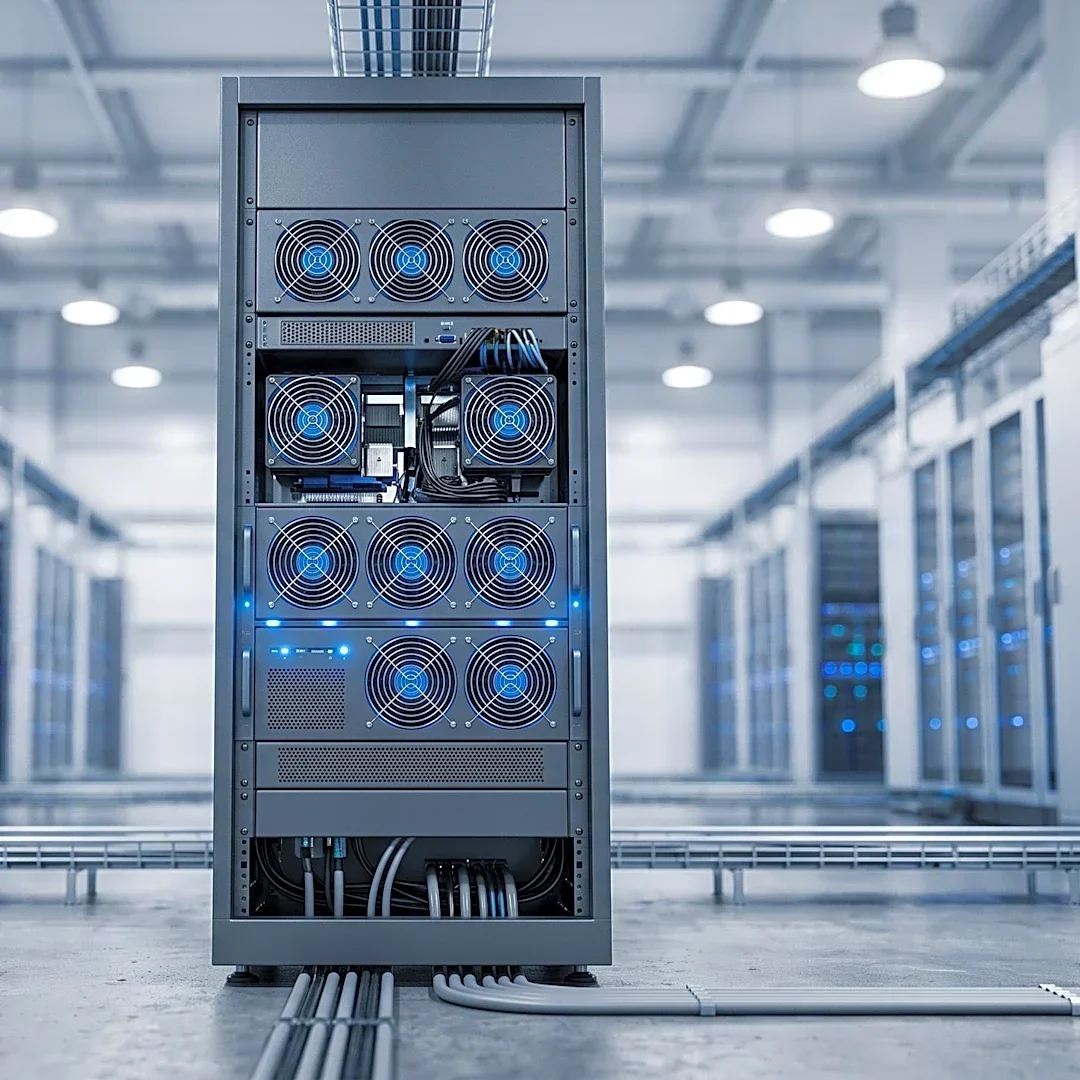
aims to become a leading maintenance and repair partner for factories across America by utilizing artificial intelligence and proprietary closed Large Language Models (LLMs). Tyle chose Houston due to its strong industrial distribution and manufacturing hub, which he believes is ideal for building a company focused on the physical world. He noted the significant activity and talent in the region within this sector. Houston's status as the fourth-largest U.S. city with the third-most Fortune 500 headquarters, coupled with its rapid growth, also played a role in his decision. Tyle has secured preeminent capital partners for Uptime, many of whom are investing in Houston for the first time.
Why It's Important?
This move signifies a growing trend of tech founders recognizing and leveraging Houston's industrial and manufacturing strengths, particularly in the burgeoning field of AI for the physical world. Tyle's decision to base Uptime in Houston highlights the city's increasing appeal as a hub for technological innovation beyond its traditional energy sector. The investment from new capital partners also indicates a broader financial interest in Houston's evolving economic landscape. This development could stimulate further investment and job creation in the AI and manufacturing sectors within the region, attracting more talent and fostering a more diverse economic base. For U.S. manufacturing, Uptime's focus on AI-driven maintenance and repair could lead to increased efficiency and reduced downtime, contributing to the reshoring trend and industrial automation efforts across the country.
What's Next?
Uptime is expected to further develop its AI and LLM technologies to optimize maintenance and repair services for American factories. The company's dual headquarters strategy suggests a continued connection to Silicon Valley's tech ecosystem while capitalizing on Houston's industrial base. As Uptime grows, it will likely seek to expand its partnerships with major manufacturing companies, many of which are headquartered in Houston. The Greater Houston Partnership, where Tyle serves as a board member, will likely continue to facilitate connections for Uptime with capital partners and potential clients. The success of Uptime could encourage other tech entrepreneurs to consider Houston for ventures that bridge technology with traditional industries, potentially leading to a sustained influx of tech investment and innovation in the city.
Beyond the Headlines
Tyle's venture underscores a significant shift in how AI is being applied, moving beyond purely digital applications to directly impact physical infrastructure and industrial operations. This represents a broader trend of digital transformation in traditional sectors, where AI can enhance efficiency, predict failures, and optimize complex processes. The choice of Houston also reflects a decentralization of tech innovation, challenging the traditional dominance of Silicon Valley by demonstrating that other U.S. cities with strong industrial foundations can become fertile ground for advanced technology companies. This could lead to a more geographically diverse tech industry in the U.S., fostering innovation in regions previously not considered primary tech hubs and potentially creating new economic opportunities in manufacturing-heavy states.