






What's Happening?
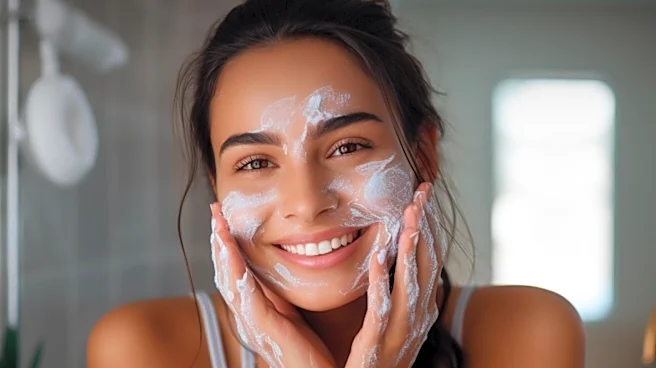
Face masks designed for dry skin are effective in replenishing moisture, soothing dryness, and supporting the skin barrier. These masks, which include cream, gel, overnight sleeping, sheet, and jelly peel-off types, work by attracting and retaining water
on the skin's surface. Ingredients to avoid for dry skin include high concentrations of denatured alcohol, harsh physical exfoliants, high concentrations of clay, and potent exfoliating acids, as these can worsen dryness or irritation. For enhanced refreshment, some hydrating gel and sheet masks can be stored in the refrigerator before use, though it's advised to check product labels as some already contain cooling components. Masks should be applied to freshly cleansed skin, followed by a moisturizer to seal in hydration, and used consistently for optimal results.
Why It's Important?
The emphasis on specialized face masks for dry skin highlights a growing consumer focus on targeted skincare solutions in the U.S. market. As awareness of skin barrier health and hydration increases, consumers are seeking products that offer specific benefits beyond general moisturizing. The ability to chill certain masks for a refreshing effect caters to a desire for sensory experiences in self-care routines, potentially influencing product formulation and marketing. This trend also underscores the importance of ingredient knowledge, as consumers are becoming more discerning about what they apply to their skin, avoiding potentially irritating components. For the beauty industry, this means a continued drive towards scientific formulation, transparent ingredient lists, and products that address specific skin concerns with efficacy and comfort.
What's Next?
The market for face masks for dry skin is likely to see continued innovation, with new formulations focusing on advanced hydrating ingredients and skin barrier repair. Manufacturers may explore more sustainable and eco-friendly packaging options, as well as multi-functional masks that offer additional benefits like anti-aging or brightening. The trend of chilling masks could lead to more products explicitly designed for refrigeration, with packaging that withstands cooler temperatures. Educational efforts from beauty brands and dermatologists will continue to guide consumers on proper mask selection, application techniques, and the importance of integrating masks into a comprehensive skincare routine. This will further solidify the role of face masks as a staple in personal care regimens.
Beyond the Headlines
The practice of using face masks and even chilling them for enhanced effects reflects a broader cultural movement towards self-care and wellness as integral parts of daily life. Skincare routines are increasingly viewed not just as cosmetic necessities but as moments for relaxation and mindfulness. The detailed advice on ingredients to avoid and proper usage also points to a more educated consumer base that demands transparency and efficacy from beauty products. This shift encourages brands to invest in research and development, moving beyond superficial claims to offer products backed by scientific understanding of skin physiology. The act of chilling a mask, while seemingly simple, taps into the desire for immediate, tangible sensations of refreshment and luxury, transforming a routine step into a more indulgent experience.