


What's Happening?
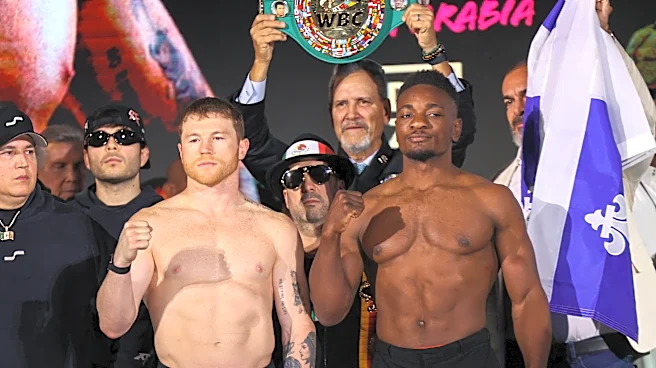
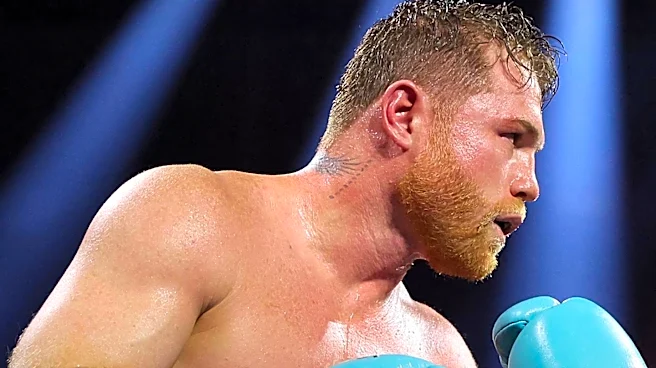
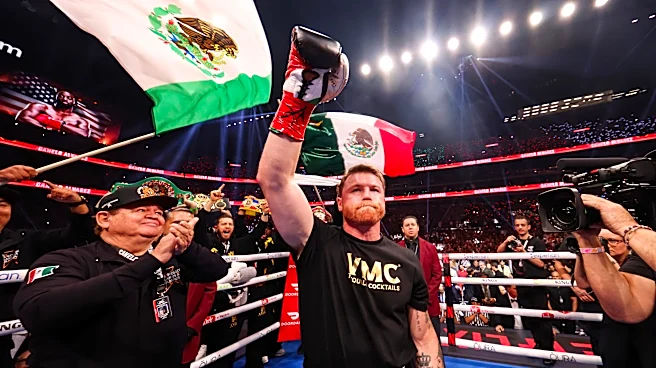
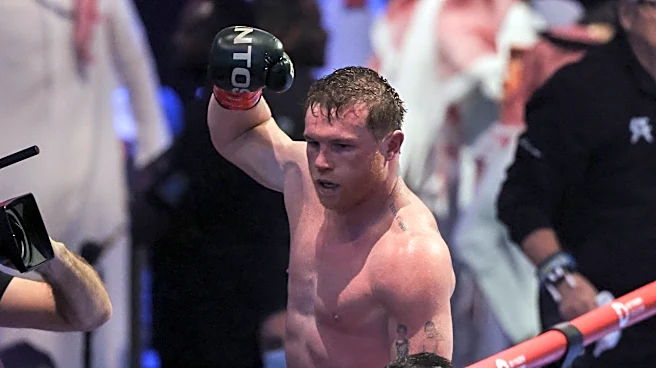
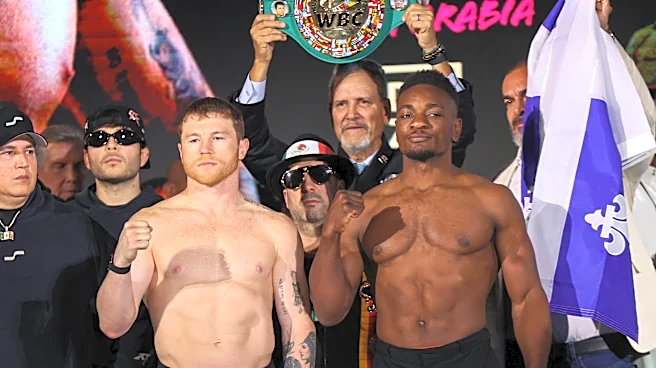
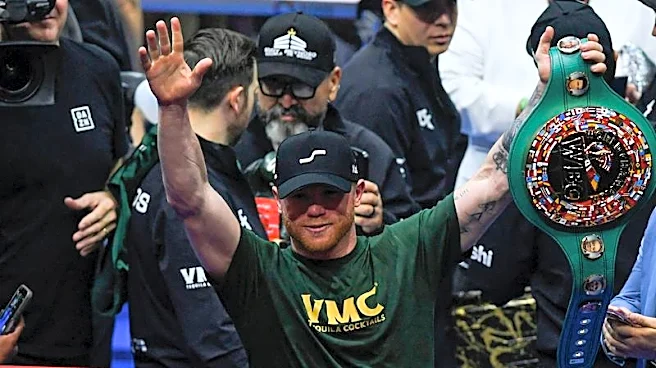
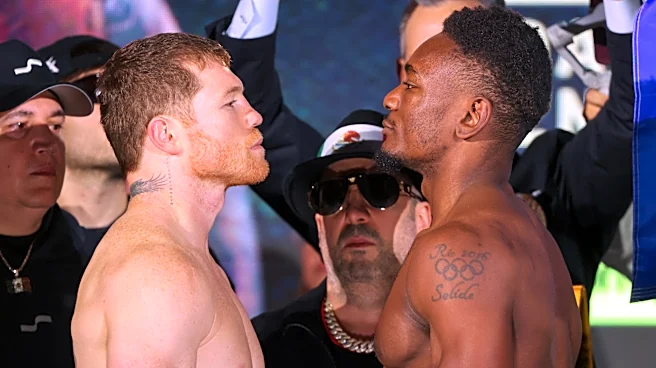
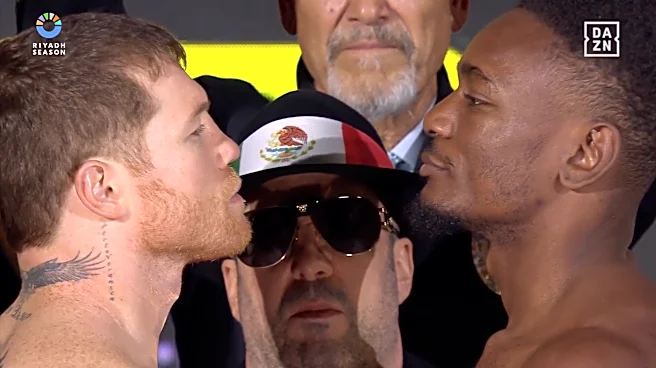
Saul "Canelo" Alvarez has added another significant achievement to his career by recapturing a portion of the world super middleweight championship. He defeated Christian Mbilli to claim the WBC belt in Riyadh, Saudi Arabia, on Saturday. The judges scored
the fight 115-112, 116-111, and 117-110 in favor of Alvarez. There were no knockdowns during the bout, but Mbilli was penalized one point in the eighth round for rabbit punching, though this deduction did not affect the final outcome. Mbilli (29-1-1) was deemed not busy enough, partly due to Alvarez's effective counterpunching. Alvarez, 36 years old with a record of 64-3-2 and 39 KOs, has previously won titles at 154, 160, 168, and 175 pounds. He had unified the super middleweight division in recent years but had not fought since a unanimous decision defeat to Terence Crawford in September 2025. Following that loss, he underwent arthroscopic surgery on his left elbow. Crawford subsequently retired, and Mbilli acquired the vacant WBC belt. Alvarez returned from the longest layoff of his career directly into a championship bout without a tune-up fight.
Why It's Important?
Canelo Alvarez's victory is highly significant as it marks his return to the pinnacle of the super middleweight division after a period of absence and recovery from surgery. Recapturing the WBC title solidifies his status as one of boxing's all-time greats and demonstrates his enduring skill and resilience. This win also re-establishes him as a dominant force in the sport, potentially setting the stage for further unification bouts or high-profile matchups. For Christian Mbilli, the loss is a setback, but competing against a fighter of Alvarez's caliber provides valuable experience and exposure, which could still benefit his career moving forward. The fight's location in Riyadh, Saudi Arabia, further underscores the growing trend of major boxing events being hosted in the region, highlighting its increasing influence and investment in the sport. This event draws significant global attention, impacting viewership, sponsorship, and the overall economic landscape of professional boxing. Alvarez's ability to return from a long layoff and immediately win a world title without a tune-up fight also speaks volumes about his preparation and dedication, influencing how other fighters might approach their comebacks.
What's Next?
Following this victory, Canelo Alvarez will likely face significant pressure and opportunities for his next move. As a WBC champion, he could pursue unification bouts against other super middleweight titleholders, aiming to once again become the undisputed champion. Potential opponents could include champions from other sanctioning bodies, or he might consider moving up or down in weight for legacy-defining fights. His return to championship status will undoubtedly generate considerable interest from promoters and broadcasters. For Christian Mbilli, despite the loss, his performance against Alvarez will be scrutinized, and he will likely aim to rebound with a strong showing in his next fight to re-establish himself as a top contender. He may seek to fight other highly ranked super middleweights to earn another title shot. The boxing world will be watching closely to see what Alvarez's next strategic move will be, as his decisions often have a ripple effect across multiple weight divisions and impact the careers of many other fighters. The success of this event in Riyadh also suggests that more major boxing spectacles will continue to be held in the region.
Beyond the Headlines
Canelo Alvarez's ability to reclaim a world title after a significant layoff and surgery highlights the extraordinary physical and mental fortitude required at the elite level of boxing. His career trajectory, marked by multiple weight class championships and comebacks, offers a compelling narrative about athletic longevity and strategic career management. This victory also reignites discussions about his place in boxing history and potential future challenges, such as a third fight with a rival or a move to a new weight class. The increasing frequency of major boxing events in Saudi Arabia, exemplified by this championship bout, signifies a broader shift in the global sports landscape. This trend raises questions about the long-term implications for traditional boxing markets and the ethical considerations of sports diplomacy. The financial incentives offered by these new venues are undeniably attractive to fighters, potentially altering career paths and promotional allegiances. This shift could lead to a more globalized boxing calendar, with major fights being distributed across various international locations, impacting fan engagement and media rights worldwide.