


What's Happening?
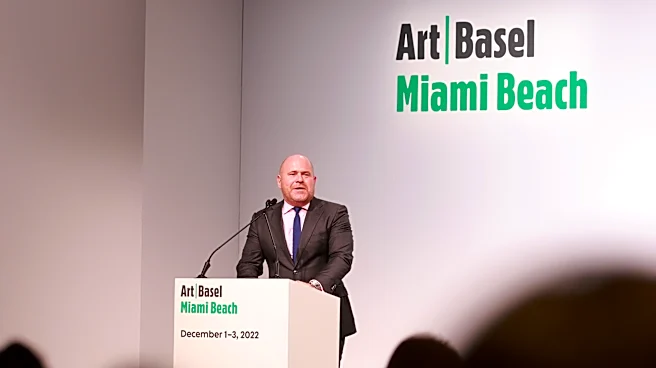
Art Basel Hong Kong has revealed the list of 232 exhibitors for its 2027 edition, scheduled to take place from March 25–27, with VIP preview days on March 23–24, at the Hong Kong Convention and Exhibition Centre. This year's fair will feature a slight
contraction in the number of exhibitors, with eight fewer than the 240 participants in 2026. The main Galleries section will host 171 participants, a decrease from 182 in the previous year. However, the Discoveries section, dedicated to emerging artists and galleries, will maintain its 25 participants. The Insights section, focusing on curated presentations for Asia-Pacific artists, and Echoes, showcasing works from the past five years, will each feature 18 exhibitors. A significant change for the 2027 fair is the introduction of a new floor plan, which will relocate the four special sections—Discoveries, Insights, Echoes, and Zero 10—to a different floor from the main Galleries section. This strategic move aims to provide these smaller sections with enhanced space and visibility, thereby enriching the visitor experience through a more thoughtfully curated journey of discovery. The fair will also welcome 31 first-time exhibitors, with 14 of them making their debut in the Discoveries section, alongside five galleries returning after a hiatus.
Why It's Important?
The annual Art Basel Hong Kong event is a pivotal platform for the global art market, particularly for the Asia-Pacific region. The announcement of exhibitors and a new floor plan signals the fair's ongoing evolution and its commitment to fostering artistic and business connections. The slight reduction in exhibitor numbers could reflect a strategic curation effort to maintain quality and focus, or it might indicate broader trends within the art market. The relocation of special sections to a separate floor is a significant logistical and experiential change, designed to give emerging artists and regional presentations more prominence. This could lead to increased exposure for new talent and a more focused viewing experience for collectors and enthusiasts. For galleries, securing a spot at Art Basel Hong Kong is crucial for international visibility and sales, especially for those based in the Asia-Pacific region, which accounts for over half of the exhibitors. The fair serves as a barometer for the health and direction of the art market in Asia, influencing trends, pricing, and artist representation across the continent and beyond. The participation of international blue-chip galleries alongside regional players underscores Hong Kong's role as a major art hub.
What's Next?
Following the announcement of the exhibitor list and floor plan, further details regarding the Encounters section for large-scale works, the Zero 10 section, and the Film section are expected to be released. Mami Kataoka will organize the Encounters section, with Isabella Tam, Alia Swastika, and Hirokazu Tokuyama. Sunny Cheung, an independent curator, will organize Zero 10 for the first time, and artist Ellen Pau will once again curate the Film section. These upcoming announcements will provide a more complete picture of the artistic programming and special features of the 2027 fair. Leading up to March 2027, galleries will finalize their presentations, and collectors, curators, and art enthusiasts will begin planning their visits. The success of the new floor plan and the reception of the curated sections will be closely watched, as they could influence future editions of Art Basel events globally. The fair's ability to attract both established and emerging talent, coupled with its strategic layout, will be key to its continued influence in the international art world.
Beyond the Headlines
The strategic decision to give smaller sections 'greater space and visibility' by moving them to a different floor reflects a broader trend in major art fairs to enhance the visitor experience and provide more focused platforms for diverse artistic expressions. This move could democratize the viewing experience, allowing emerging artists and regional narratives to compete more effectively for attention against established galleries. Ethically, it signals a commitment to nurturing new talent and promoting a wider range of artistic voices, which is crucial for the long-term vitality of the art ecosystem. Culturally, Art Basel Hong Kong continues to solidify its role as a bridge between Eastern and Western art markets, fostering cross-cultural dialogue and exchange. The fair's ability to adapt its physical layout and curatorial approach in response to market dynamics and artistic trends highlights its leadership in the global art fair landscape. The emphasis on a 'thoughtfully curated visitor journey' suggests a move towards more immersive and guided experiences, potentially influencing how art is presented and consumed at major international events in the future.