



What's Happening?
Rustic mountain interior design is gaining popularity, with clients frequently requesting aesthetics reminiscent of locations like Jackson Hole, Montana, and Blackberry Mountain. This style aims to create a cozy, collected, and peaceful retreat that feels
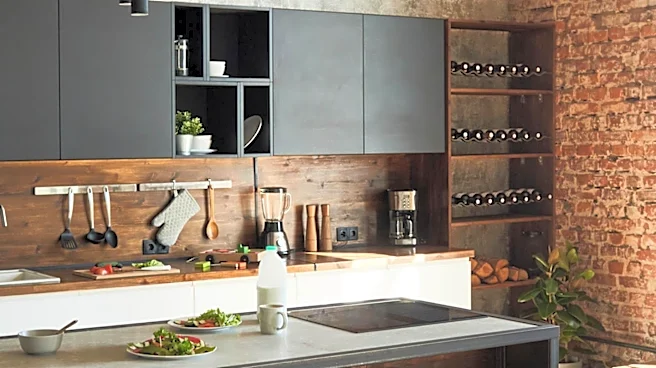
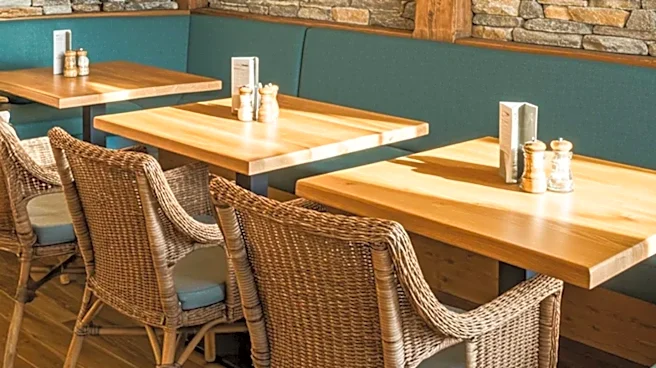
deeply connected to nature and appears to have evolved over generations. Key elements include substantial stone fireplaces, timbered ceilings, aged wood, worn leather, and plush furniture. The design prioritizes natural materials such as stone, wood, and hides, often incorporating wildlife-inspired details. The emphasis is on materials with inherent character, such as wood with visible knots and grain, or stone with interesting veining, to give rooms a sense of history and warmth. The approach encourages mixing materials and incorporating pieces that have developed a patina over time, rather than selecting perfectly matched, new furniture. This style seeks to evoke the feeling of old homesteads and log cabins, where practicality and locally sourced materials were paramount, and items were acquired and cherished over time.
Why It's Important?
The growing demand for rustic mountain interior design reflects a broader societal trend towards seeking comfort, peace, and a connection to nature within living spaces. This shift can influence the home furnishings and construction industries, potentially increasing demand for natural, character-rich materials like reclaimed wood, natural stone, and artisanal furniture. For consumers, adopting this style can create a more grounding and tranquil home environment, offering an escape from the fast-paced modern world. It also promotes a more sustainable approach to decor by valuing durability, natural elements, and pieces that can age gracefully. The emphasis on unique, imperfect materials challenges the mass-produced aesthetic, encouraging a more curated and personal approach to home design. This trend could also impact local economies that specialize in natural material sourcing and custom craftsmanship, as demand for these specific elements rises.
What's Next?
As this design trend continues to grow, interior designers and furniture manufacturers may increasingly focus on sourcing and producing items that align with the rustic mountain aesthetic. This could lead to a greater availability of furniture made from reclaimed wood, natural stone accents, and textiles like wool and leather. Retailers might expand their collections to include more pieces with visible character and natural imperfections. We may also see an increase in workshops and artisans specializing in custom-made, rustic-inspired home elements. For homeowners, the next step involves thoughtfully integrating these elements into their existing spaces, even without a traditional mountain home. This can be achieved by introducing key pieces like a substantial wood coffee table, a stone side table, or antique cabinets to bring in the desired sense of history and connection to nature.
Beyond the Headlines
Beyond its aesthetic appeal, the rustic mountain design trend signifies a deeper cultural yearning for authenticity and a slower pace of life. In an increasingly digital and artificial world, there's a psychological comfort derived from being surrounded by natural, tactile materials that tell a story. This design philosophy subtly encourages a more mindful consumption, where quality and longevity are prioritized over fleeting trends. It also fosters an appreciation for craftsmanship and the inherent beauty of natural imperfections, challenging the modern pursuit of flawless, mass-produced goods. Ethically, it can promote sustainable practices by favoring durable materials and potentially supporting local artisans. Culturally, it reflects a desire to reconnect with traditional values of home and hearth, creating spaces that feel nurturing and enduring, reminiscent of a simpler, more grounded existence.