





What's Happening?
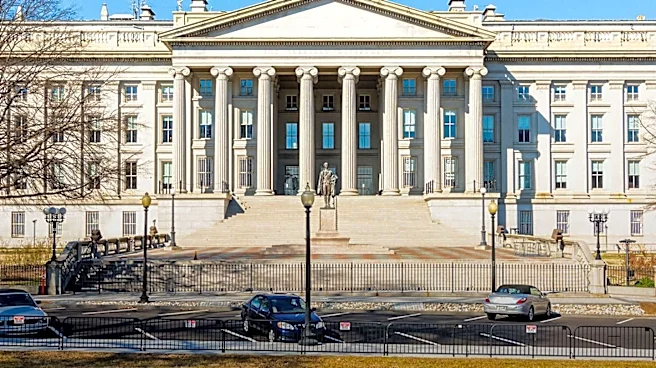
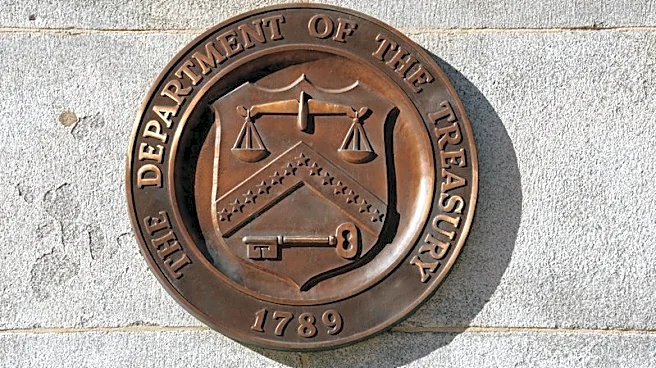
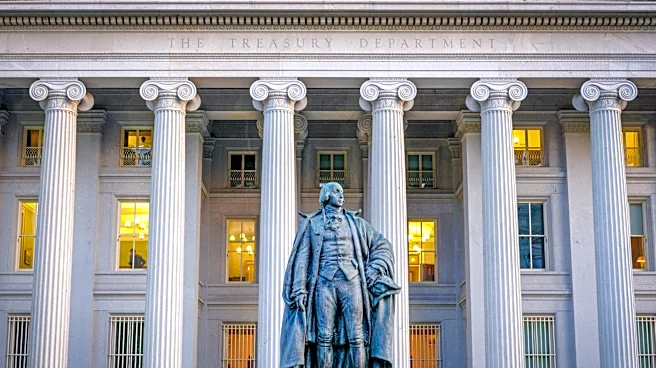
The U.S. Treasury Department announced sanctions against eight Canadian money services businesses on Friday. These firms are accused of assisting Iran in evading U.S. restrictions through cryptocurrency transactions and international money transfers.
The Treasury’s Office of Foreign Assets Control (OFAC) stated that these companies facilitated the exchange of Iranian rials and other currencies into digital assets. Several of the sanctioned businesses reportedly conducted transactions involving sanctioned Iranian cryptocurrency exchanges and digital asset addresses linked to the Islamic Revolutionary Guard Corps (IRGC). The targeted companies include Million Exchange, two entities operating as Amin Exchange, NIA Nations Currency, Farah Exchange, CCC Inc, B Galaxy Inc (operating as Cryptoyal), and Darvish Exchange. Additionally, some of these businesses are accused of laundering drug proceeds connected to Canadian former Olympic snowboarder Ryan Wedding. These measures were coordinated with U.S. and Canadian financial intelligence authorities and the Drug Enforcement Administration (DEA). As a result of these sanctions, any assets of these companies subject to U.S. jurisdiction are frozen, and U.S. persons are generally prohibited from engaging in transactions with them.
Why It's Important?
These sanctions underscore the U.S. government's ongoing efforts to disrupt Iran's ability to circumvent international financial restrictions, particularly through the use of digital assets. By targeting foreign entities that facilitate such activities, the U.S. aims to sever economic lifelines to the Iranian regime and the IRGC. The involvement of cryptocurrency in these evasion schemes highlights a growing concern for financial regulators, as digital assets can offer avenues for illicit financial flows that are harder to track through traditional banking systems. The coordination with Canadian authorities also signals a broader international commitment to combating sanctions evasion and money laundering. This action could deter other financial service providers, both traditional and crypto-based, from engaging in similar activities, thereby strengthening the global sanctions regime against Iran. The inclusion of drug proceeds in the accusations further emphasizes the multifaceted nature of illicit financial networks and the U.S. commitment to disrupting them.
What's Next?
The immediate consequence for the sanctioned Canadian firms is the freezing of their U.S.-based assets and a prohibition on transactions with U.S. persons, effectively cutting them off from the U.S. financial system. This action is part of a broader U.S. strategy, dubbed 'Operation Economic Outcast,' to increase pressure on Tehran. The U.S. Treasury is expected to continue monitoring and sanctioning entities globally that are found to be assisting Iran in evading sanctions. This could lead to further investigations and enforcement actions against other companies or individuals involved in similar illicit financial activities. The focus on cryptocurrency transactions suggests that regulatory bodies will likely intensify their scrutiny of digital asset service providers to prevent their misuse for sanctions evasion and money laundering. International cooperation between financial intelligence units, as demonstrated in this case, is also likely to continue and expand.
Beyond the Headlines
This development highlights the evolving landscape of financial crime, where traditional money laundering techniques are increasingly intertwined with emerging technologies like cryptocurrency. The U.S. Treasury's actions signal a clear intent to extend its enforcement reach into the digital asset space, posing significant compliance challenges for cryptocurrency exchanges and other digital asset service providers worldwide. The case also raises questions about the due diligence processes of financial institutions and the need for robust anti-money laundering (AML) and know-your-customer (KYC) protocols in the crypto industry. Furthermore, the alleged link to drug trafficking underscores the convergence of various illicit activities, making it more complex for authorities to dismantle these networks. This could prompt a global push for more stringent regulations and international cooperation to combat the use of cryptocurrencies for illicit purposes, potentially shaping the future of digital asset regulation.