

What's Happening?
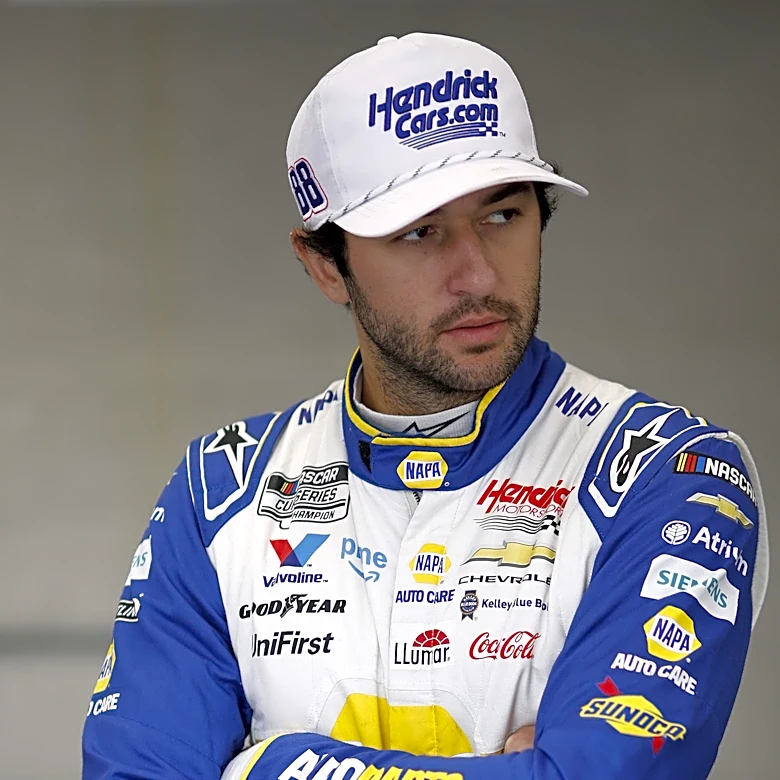
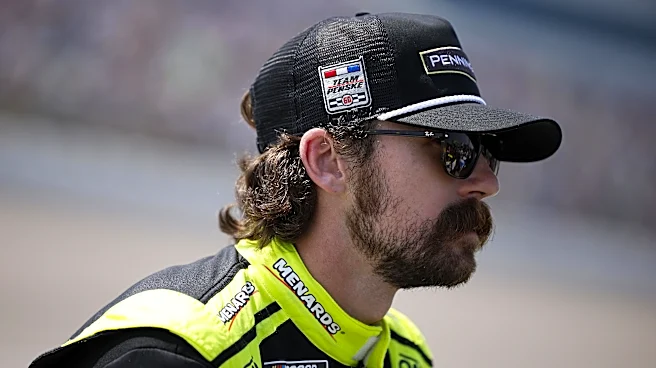
NASCAR driver Tyler Reddick concluded the 2026 Cup Series in fifth place in the Chase standings, a season marked by an exceptionally strong start followed by a significant win drought. Reddick secured five victories in the first nine races, including
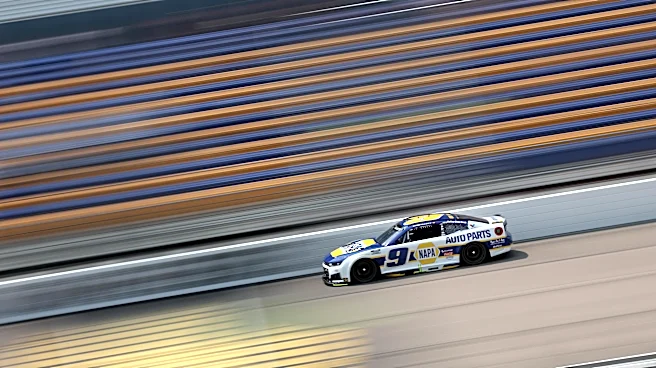
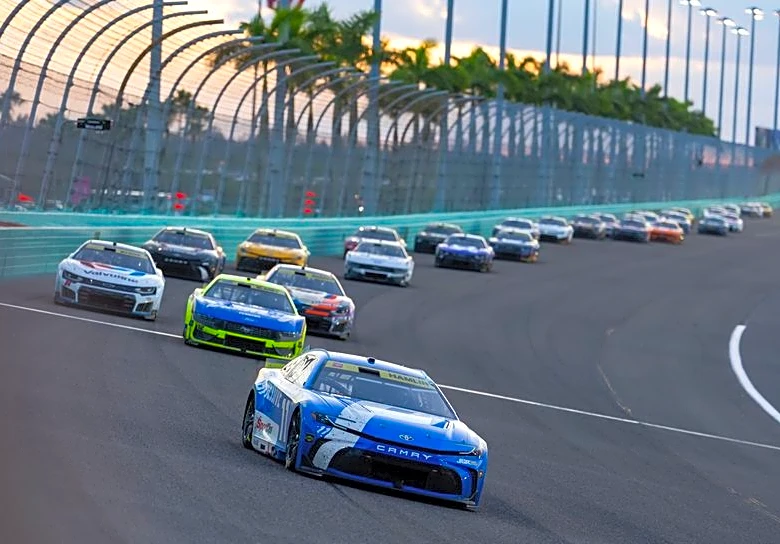
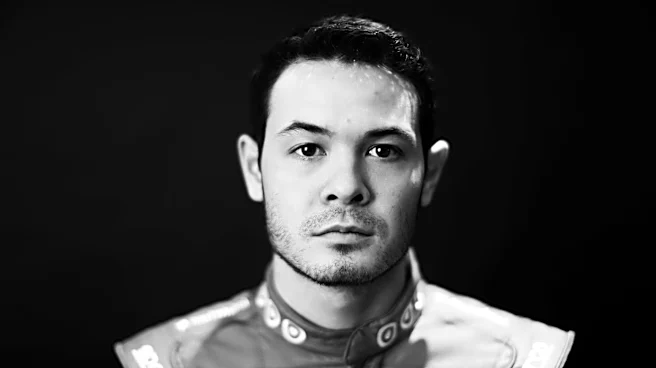
the prestigious Daytona 500, positioning him as a leading contender for the championship. However, this early success was followed by a 23-race period without a win. He eventually broke the drought with a sixth win at Phoenix. The season finale at Homestead-Miami Speedway saw Ryan Blaney overtake Reddick with two laps remaining to claim the race victory, though the overall championship had already been decided by Kyle Larson during Stage 1. Reddick's performance highlighted a season of highs and lows, where he was a dominant force early on but couldn't maintain that momentum through the entire Chase.
Why It's Important?
Tyler Reddick's 2026 season underscores the intense and unpredictable nature of NASCAR's championship format, particularly the Chase system. His initial dominance, including a Daytona 500 win and five other victories, demonstrated his potential to be a top-tier driver. However, the subsequent 23-race winless streak and his eventual fifth-place finish highlight how crucial consistent performance is throughout the entire season, especially in the playoff rounds. For sponsors and teams, Reddick's season presents a mixed bag: strong early-season visibility and wins, but a fade in the latter half that prevented a championship run. This performance could influence future team strategies regarding driver development, car setup consistency, and managing pressure over a long season. It also provides a compelling narrative for fans, showcasing the fine margins between a dominant season and a championship title.
What's Next?
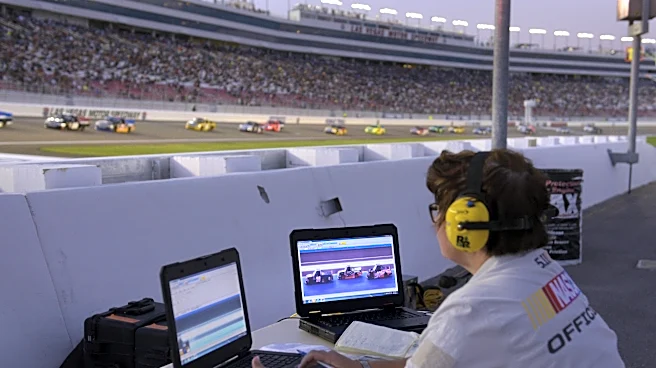
Following a season of significant fluctuations, Tyler Reddick and his team will likely focus on analyzing the factors that contributed to both his early-season success and the subsequent win drought. The offseason will be critical for refining car setups, optimizing race strategies, and ensuring sustained performance across all types of tracks. Reddick's team will aim to translate his proven ability to win races into a more consistent championship challenge in the 2027 season. Adjustments in team personnel, such as spotter changes, as noted with Nick Payne moving to Front Row Motorsports, could also impact future performance. The broader NASCAR landscape will continue to evolve, with manufacturers like Ford introducing new car bodies and Toyota seeking to improve its championship-to-win ratio, all of which will influence the competitive environment Reddick operates within.
Beyond the Headlines
Reddick's 2026 season reflects a broader discussion within NASCAR about the balance between regular-season performance and playoff success. While he demonstrated exceptional speed and skill by leading the field in wins, the championship format ultimately rewards consistency and peak performance during the Chase. This dynamic often leads to debates among fans and experts about whether the 'best' driver of the year is truly crowned. The dramatic finish at Homestead-Miami, where Reddick lost the race lead in the final laps, also highlights the psychological and strategic pressures drivers face in high-stakes situations. His journey serves as a case study in the challenges of maintaining momentum in a highly competitive sport, where a single misstep or a period of inconsistency can derail championship aspirations, regardless of early-season triumphs.