



What's Happening?
Former Manchester United player and captain Gary Neville has publicly called for the Glazer family, the American owners of the club, to sell their stake and relinquish control. Neville's demand comes as Manchester United faces a significant sporting crisis,
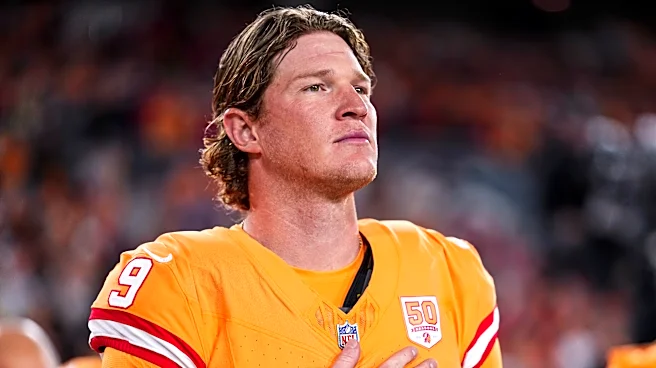
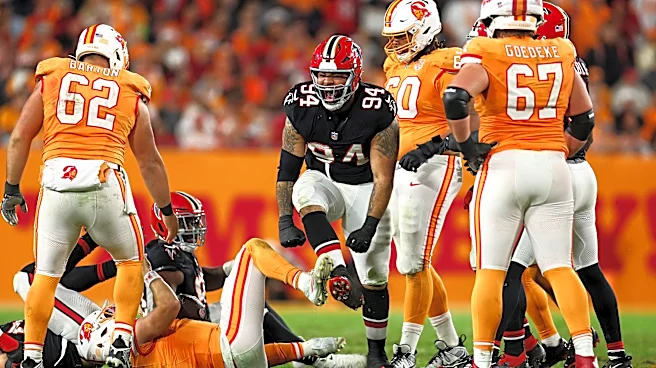
marked by its worst start to a Premier League season and two losses in three Champions League group stage matches. The Glazer family acquired majority control of the club in 2005 through a controversial purchase. In 2024, they sold a minority stake to the Ineos group, led by British businessman Jim Ratcliffe. However, Neville argues that the Glazers no longer contribute to the club's growth and stability, citing years of underperformance and a lack of investment in infrastructure. He criticized their management, noting that they have externalized the football department to Ineos and have rarely visited Old Trafford in two decades, despite owning the Tampa Bay Buccaneers in the NFL and residing in Tampa, Florida.
Why It's Important?
This call from a prominent former player like Gary Neville highlights growing discontent among fans and former club figures regarding the ownership of a major global sports franchise. The Glazer family's ownership of Manchester United, a globally recognized football club, has been contentious for years, particularly due to the debt incurred during their takeover and perceived underinvestment. Neville's comments underscore the financial implications of their management, including plans for a new stadium that would require a significant loan without a clear repayment strategy. The situation reflects broader issues in sports ownership, where financial management and fan sentiment often clash. For U.S. sports owners with international investments, such public criticism can impact their reputation and potentially influence future investment strategies in global sports markets.
What's Next?
The immediate future will likely see continued pressure on the Glazer family from fan groups and media, amplified by Neville's statements. While the Glazers recently sold a minority stake, a full sale, as advocated by Neville, would represent a significant shift in the club's ownership structure. The club's on-field performance in the coming weeks will be crucial; continued poor results could intensify calls for a change in ownership. Stakeholders, including the Ineos group, will be closely watching the situation, as their minority stake could be affected by any major ownership changes. The debate over the club's future stadium plans and financial health will also remain a central point of discussion, potentially influencing investor confidence and future strategic decisions.
Beyond the Headlines
The ongoing saga at Manchester United under the Glazer family's ownership touches upon deeper themes of globalization in sports and the tension between traditional club values and modern business models. The criticism leveled against the Glazers, who are also owners of the NFL's Tampa Bay Buccaneers, reflects a broader debate about absentee ownership and the perceived prioritization of financial returns over sporting success and fan engagement. This situation could serve as a case study for other U.S. investors considering stakes in international sports entities, highlighting the unique cultural and historical attachments fans have to their clubs. It also raises questions about the long-term sustainability of highly leveraged ownership models in professional sports and the ethical responsibilities of owners to their club's heritage and community.