







What's Happening?
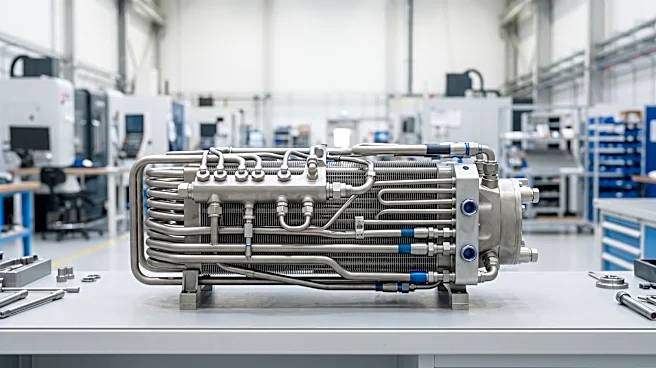
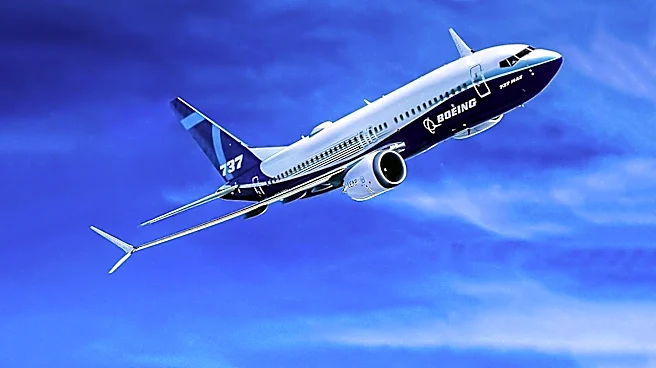
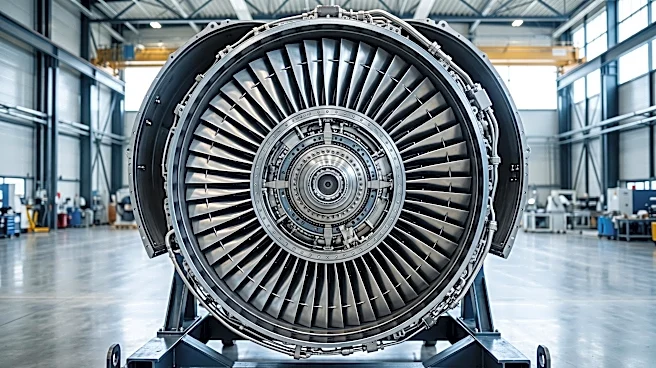
Collins Aerospace, an RTX business, has extended its exclusive Boeing 787 nacelle maintenance agreement with Air Europa until 2037. This renewal aims to support Air Europa's long-term fleet strategy by improving operational reliability, enhancing maintenance planning,
and optimizing cost management for thrust reverser and nacelle services. As the fleet ages, Air Europa is adopting a proactive maintenance approach to ensure rapid nacelle support for aircraft-on-ground events and facilitate predictable shop visit planning. This strategy is designed to reduce unscheduled downtime and strengthen fleet readiness. PJ Titone, vice president and general manager, Aerostructures at Collins Aerospace, stated that the collaboration provides technical expertise and global repair capacity for sustained readiness. Pedro Macías, Chief Technical Officer of Air Europa, expressed confidence in Collins' nacelle support capabilities, anticipating improvements in daily operations, parts availability, shop turn-around-time management, and budget accuracy. The updated service structure also introduces additional operational efficiencies, with Air Europa staging nacelles at its main base and utilizing a forward exchange solution to improve maintenance, transportation, and lease costs.
Why It's Important?
This extended agreement is important for the U.S. aerospace and defense industry, particularly for RTX and its Collins Aerospace business, as it secures a significant long-term contract with a major international airline. Such agreements demonstrate the continued demand for specialized maintenance, repair, and overhaul (MRO) services, contributing to the stability and revenue streams of U.S. aerospace companies. For Air Europa, the partnership ensures the operational reliability and cost-effectiveness of its Boeing 787 fleet, which is crucial for its business continuity and competitive standing in the airline industry. The proactive maintenance approach and optimized cost management outlined in the agreement highlight a growing trend in aviation towards predictive maintenance and efficiency, which can influence future contracts and service offerings across the sector. This also reinforces the U.S.'s position as a key provider of advanced aerospace solutions and support services globally, benefiting American jobs and technological leadership in aviation.
What's Next?
The extension of this agreement through 2037 means that Collins Aerospace will continue to provide critical maintenance services for Air Europa's Boeing 787 fleet for over a decade. This long-term commitment suggests a stable revenue stream for RTX and further solidifies Collins Aerospace's position as a leading provider of aerospace solutions. Air Europa will likely continue to implement the proactive maintenance strategies outlined, potentially serving as a model for other airlines seeking to enhance fleet readiness and optimize costs. The success of this extended partnership could lead to similar agreements with other carriers, expanding Collins Aerospace's market reach. Furthermore, the focus on operational efficiencies and cost management may drive innovations in maintenance technologies and logistics within the aerospace MRO sector. Both companies will likely monitor the effectiveness of the new service structure, including the forward exchange solution, to ensure it meets the desired outcomes of improved part availability and budget management.
Beyond the Headlines
This agreement underscores the intricate global supply chains and interdependencies within the aerospace industry. While the immediate impact is on maintenance services, the long-term nature of the contract reflects a deeper strategic alignment between a major U.S. aerospace manufacturer and an international airline. It highlights the critical role of post-sales support and maintenance in the lifecycle of complex aircraft, where the initial sale is just the beginning of a decades-long relationship. The emphasis on proactive maintenance and cost optimization also points to the increasing pressure on airlines to maximize asset utilization and minimize operational disruptions in a highly competitive environment. This trend could accelerate the adoption of advanced analytics and predictive maintenance technologies across the industry, transforming how aircraft are serviced and maintained. Moreover, such long-term contracts contribute to the resilience of the U.S. defense industrial base by diversifying revenue streams for companies like RTX, which also play a significant role in national security.