




What's Happening?
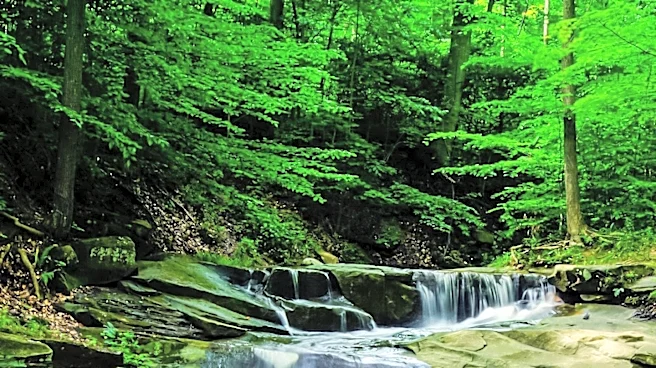
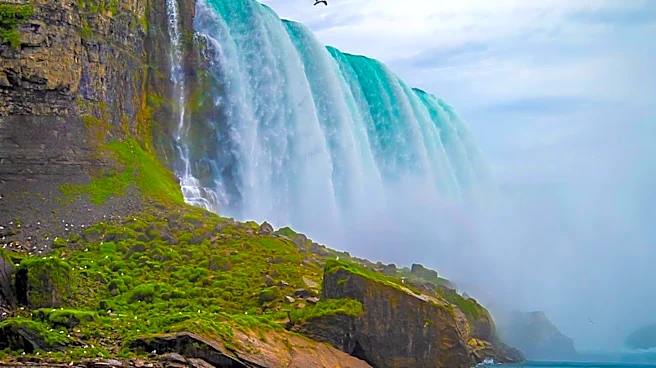
As summer approaches, New York's waterfalls are becoming prime destinations for hikers and nature enthusiasts. The state, known for the iconic Niagara Falls, also boasts numerous lesser-known waterfalls that offer unique hiking experiences. Among these
are Kaaterskill Falls in the Catskills, which features a two-tiered drop of over 260 feet, and Salmon River Falls in Oswego County, with its 110-foot cascade and multiple trails. Other notable sites include Buttermilk Falls State Park near Ithaca, known for its foaming cascades and natural swimming pool, and Watkins Glen State Park, where a 1.5-mile trail leads through a gorge with stone bridges and waterfalls. These locations provide a mix of easy and challenging trails, catering to hikers of all skill levels.
Why It's Important?
The popularity of these waterfalls highlights the growing interest in outdoor recreation and nature tourism, which can significantly impact local economies. As more visitors flock to these natural sites, nearby communities may see increased business for local shops, restaurants, and lodging facilities. Additionally, the emphasis on outdoor activities aligns with broader public health goals, encouraging physical activity and mental well-being. However, the influx of tourists also raises concerns about environmental preservation and the need for sustainable tourism practices to protect these natural resources.
What's Next?
As the summer season progresses, park authorities and local governments may implement measures to manage visitor numbers and ensure the safety and preservation of these natural sites. This could include enhancing trail maintenance, providing educational resources on environmental conservation, and possibly introducing visitor limits during peak times. Stakeholders, including environmental groups and local businesses, may collaborate to promote sustainable tourism practices that balance economic benefits with ecological responsibility.
Beyond the Headlines
The increased attention on New York's waterfalls may also spark interest in broader environmental issues, such as water conservation and the impact of climate change on natural landscapes. These sites serve as reminders of the importance of preserving natural habitats and the role they play in biodiversity. Additionally, the cultural and historical significance of these waterfalls, often tied to indigenous histories and local folklore, may gain renewed interest and appreciation.