






What's Happening?
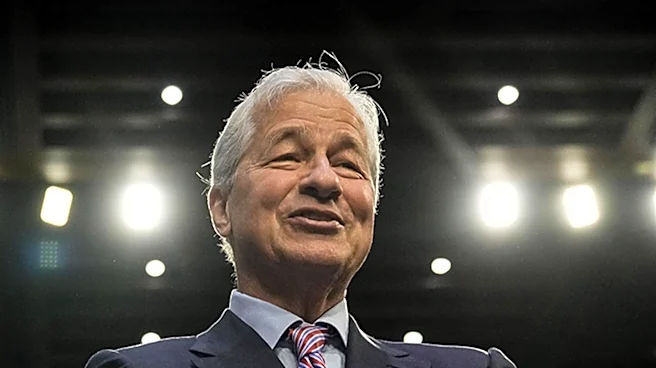
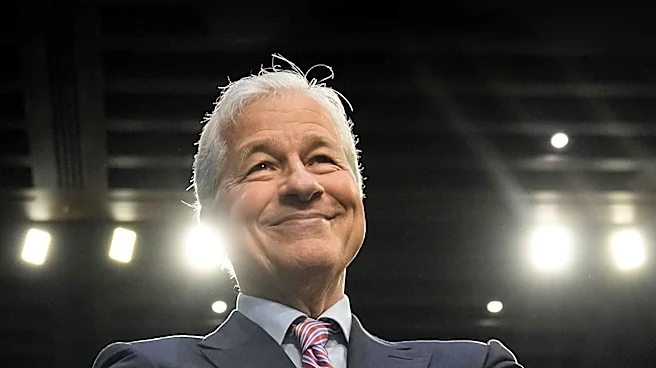
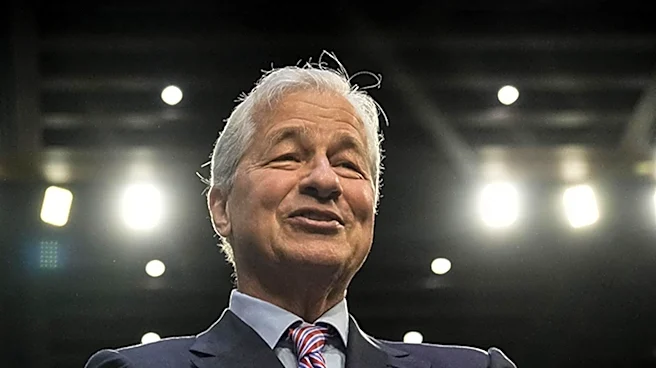
JPMorgan Chase CEO Jamie Dimon has voiced strong concerns regarding a proposal by Senate Democrats to cap credit card interest rates at 10%. This legislative push is framed by party leaders as a measure to provide consumer relief from high borrowing costs
on revolving card balances. Dimon argues that implementing such a strict 10% ceiling could severely restrict access to credit for a significant portion of American consumers. The proposed cap is part of a broader regulatory discussion impacting the financial sector, particularly large lenders and card issuers like JPMorgan Chase, which has extensive credit card operations. The debate highlights the dependence of the financial industry on card-driven net interest income and fee growth, especially as technology and AI spending continue to increase, with JPMorgan's expenses projected to reach US$107.5 billion by 2026. The core issue for investors is whether this regulation will diminish a key revenue stream that analysts anticipate will help offset rising operational costs.
Why It's Important?
This proposed credit card interest rate cap carries significant implications for the U.S. financial industry, consumers, and the broader economy. For banks like JPMorgan Chase, a 10% cap directly challenges their card economics and the profitability of their payments engine. A reduction in potential revenue from credit card interest could force these institutions to re-evaluate their lending practices, potentially leading to tighter credit availability for many Americans, particularly those with lower credit scores who rely on credit for essential purchases or emergencies. This could disproportionately affect vulnerable populations, limiting their financial flexibility. From an investor perspective, the proposal introduces uncertainty regarding future earnings and growth projections for financial institutions heavily invested in credit card services. If implemented, it could reshape the competitive landscape, potentially favoring lenders with different business models or those less reliant on high-interest credit card revenue. The outcome will also signal the extent of regulatory intervention the financial sector can expect in the coming years.
What's Next?
The immediate next step will involve further legislative debate and potential advancement of the proposed 10% credit card interest rate cap in the Senate. Financial institutions, including JPMorgan Chase, will likely continue to lobby against the measure, emphasizing its potential negative impacts on credit access and the broader economy. Investors will closely monitor official disclosures from JPMorgan Chase for any updates to its medium-term guidance on card yields and net interest income from its Cards & Payments division. Any material reworking of these assumptions or signals of tighter credit availability from management would indicate that the proposed cap is significantly altering the company's financial outlook rather than merely creating short-term political noise. The progression of this proposal will also influence other lenders and card issuers, prompting them to assess their own strategies and potential adjustments to their lending portfolios. The ultimate decision will depend on political will, economic analysis, and the ability of various stakeholders to influence the legislative process.
Beyond the Headlines
Beyond the immediate financial implications, the debate over a 10% credit card interest rate cap touches upon deeper societal and ethical considerations regarding access to credit and consumer protection. Proponents argue that high interest rates exploit financially vulnerable individuals, trapping them in cycles of debt. Conversely, opponents, like Jamie Dimon, contend that such caps could inadvertently harm those they aim to protect by making credit unavailable to higher-risk borrowers, pushing them towards less regulated and potentially more predatory lending options. This policy discussion highlights the ongoing tension between market freedom and regulatory oversight in the financial sector. It also raises questions about the role of government in dictating pricing mechanisms for private financial products and the potential for unintended consequences. The outcome could set a precedent for future interventions in other areas of consumer finance, influencing how financial services are structured and delivered across the U.S. economy for years to come.