






What's Happening?
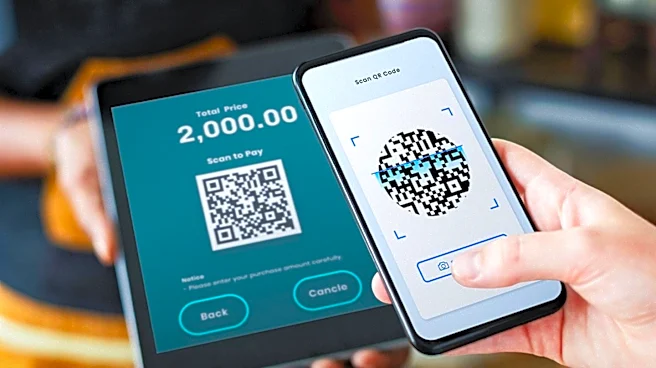
DBS PayLah users can now make QR code payments to Alipay and WeChat (Weixin) Pay merchants across mainland China without incurring additional transaction fees. This new functionality allows over three million DBS PayLah users to pay at more than 100 million Alipay and WeChat Pay merchants.
Travelers have the flexibility to either scan the merchant's QR code or present their personal PayLah! QR code for payment. DBS announced that it is the first and only bank in Singapore to support both payment methods. Users will see the payment price in Chinese yuan, the applicable foreign exchange rate, and the Singapore Dollar equivalent before confirming their transactions. For payments to individuals or small businesses using personal Alipay and WeChat Pay, DBS customers can remit funds to their own Alipay or Weixin Pay e-wallets. The bank is also offering a $3 cashback promotion for new overseas QR payment users and those making their first Alipay+ QR transaction from November 16 to January 31, 2027.
Why It's Important?
This development significantly enhances convenience for DBS PayLah users traveling to China, removing a major barrier to seamless transactions in a largely cashless society. The ability to pay directly at Alipay and WeChat merchants, which dominate the Chinese payment landscape, eliminates the need for travelers to set up separate local payment accounts or carry large amounts of cash. This move is particularly important as 'China-maxxing' – a growing interest in experiencing all China has to offer – continues to rise, according to Calvin Ong, head of consumer banking at DBS Singapore. The partnership between DBS, Ant International, and TenPay Global integrates payment ecosystems, benefiting both consumers and merchants by simplifying cross-border transactions. The absence of additional transaction fees makes this an attractive option for travelers, potentially boosting tourism and cross-border commerce between Singapore and China. This also sets a precedent for other international banks to integrate with major Chinese payment platforms.
What's Next?
The immediate next step involves the ongoing promotion of $3 cashback for new overseas QR payment users and those making their first Alipay+ QR transaction, running until January 31, 2027. This incentive aims to encourage adoption of the new payment feature among DBS PayLah users. Following the initial rollout, DBS will likely monitor user adoption rates and feedback to refine the service. The success of this integration could lead to further expansion of cross-border payment capabilities to other countries or with additional payment platforms. Other financial institutions may observe this partnership closely, potentially leading to similar integrations to cater to their customers' international travel needs. The long-term impact could see a more interconnected global payment ecosystem, where national digital wallets are increasingly interoperable across borders, simplifying international travel and commerce.
Beyond the Headlines
This initiative by DBS goes beyond mere transactional convenience; it represents a significant step towards the globalization of digital payment ecosystems. By bridging the gap between a Singaporean digital wallet and China's dominant payment platforms, DBS is facilitating greater financial inclusion and ease of access for international travelers. This move also highlights the growing influence of QR code-based payment systems, particularly in Asian markets, as a preferred method for secure and efficient transactions. The partnership underscores a broader trend of financial institutions collaborating across borders to meet the demands of an increasingly mobile and digitally-savvy consumer base. Furthermore, it could subtly influence consumer behavior, encouraging more cashless transactions and potentially reducing reliance on traditional banking methods for international travel. The integration also raises questions about data privacy and security across different national payment infrastructures, which will be crucial considerations as such cross-border collaborations become more common.