



What's Happening?
Garden expert Sarah Rumbles from Crane Garden Buildings is advising gardeners on specific vegetables suitable for sowing in late August to ensure an autumn harvest. This guidance focuses on quick-growing crops that can mature before colder temperatures
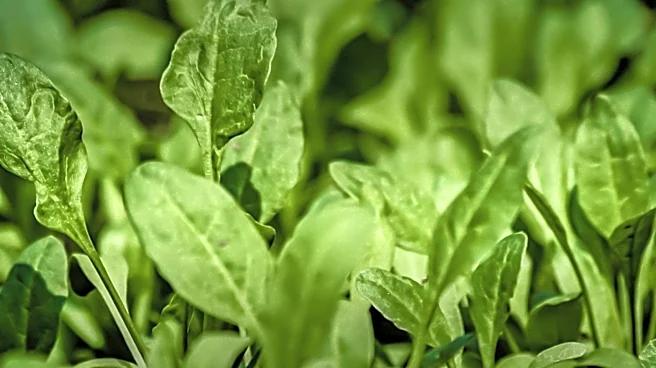
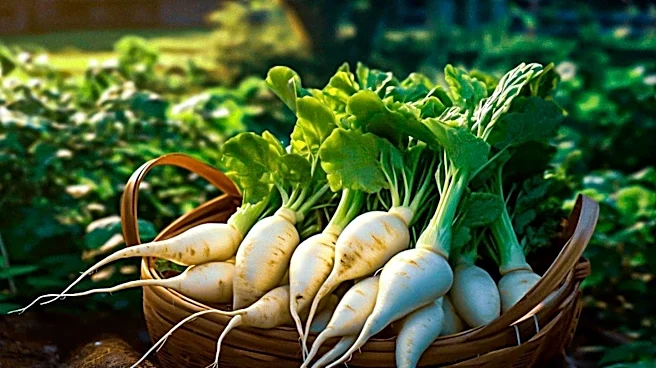
and reduced light levels hinder growth. Among the recommended vegetables are radishes, with varieties like 'French Breakfast' or 'Cherry Belle' maturing in approximately four to five weeks. Consistent watering is highlighted as crucial for root quality. Rocket is another fast-growing option, with young leaves ready in four to six weeks, and varieties such as 'Runway' and 'Sky Rocket' are suggested for quick crops. Spinach, particularly varieties suited for late-summer sowing, can produce baby leaves in about a month and continue into autumn or winter. Pak choi is also recommended, with baby leaves ready in four to five weeks, thriving in cooler temperatures. Lastly, turnips, including quick-maturing varieties like 'Tokyo Cross' or 'Purple Top Milan', can yield a small autumn crop if sown directly into fertile, well-drained, and consistently moist soil.
Why It's Important?
This guidance is important for home gardeners and small-scale agricultural enthusiasts across the U.S. who aim to extend their growing season and maximize their autumn harvest. By providing specific, actionable advice on late-summer sowing, it helps individuals achieve greater food self-sufficiency and access to fresh produce. The emphasis on quick-maturing varieties allows for efficient use of garden space and resources, potentially reducing reliance on store-bought produce during the transitional period between summer and autumn. For local economies, this practice can support community-supported agriculture (CSA) initiatives and farmers' markets by diversifying available produce later in the year. Furthermore, promoting gardening activities contributes to a healthier lifestyle and environmental awareness, as growing one's own food often involves sustainable practices and reduces the carbon footprint associated with food transportation. The advice also highlights the importance of soil health and consistent watering, educating gardeners on fundamental agricultural principles.
What's Next?
Gardeners who follow this advice can expect to begin harvesting these quick-growing vegetables in early to mid-autumn. For those with protected spaces like greenhouses, the harvest period for some crops, such as rocket, could be extended even further into the colder months. The success of these late-August sowings will largely depend on consistent care, including maintaining soil moisture and protecting young plants from pests like slugs and snails, particularly for pak choi. As temperatures continue to drop, gardeners will need to monitor their crops closely and potentially implement protective measures, such as row covers, to shield plants from early frosts. The experience gained from these late-season plantings can inform future gardening decisions, helping individuals refine their planting schedules and variety selections for subsequent years. This ongoing cycle of planting, harvesting, and learning will contribute to more resilient and productive home gardens.
Beyond the Headlines
Beyond the immediate benefit of an extended harvest, this advice subtly encourages a deeper connection to food sources and seasonal eating. In a society increasingly disconnected from agricultural processes, understanding the timing and conditions required for growing food fosters appreciation for fresh produce. It also highlights the adaptability of gardening practices to changing environmental conditions, as gardeners learn to work with the natural progression of seasons. The selection of specific varieties like 'French Breakfast' radishes or 'Tokyo Cross' turnips also introduces gardeners to the diversity within common vegetables, potentially inspiring exploration of heirloom or less common varieties. This engagement with diverse plant life can contribute to biodiversity in local ecosystems, even on a small scale. Ultimately, promoting late-season gardening reinforces the value of sustainable living and the satisfaction derived from cultivating one's own food, fostering a more resilient and informed community of growers.