



What's Happening?
Berkshire Hathaway's stock has risen 15% year-to-date in 2026, significantly outpacing major index funds like the State Street SPDR S&P 500 ETF Trust (SPY), Invesco QQQ Trust (QQQ), and the State Street SPDR Dow Jones Industrial Average ETF Trust (DIA).
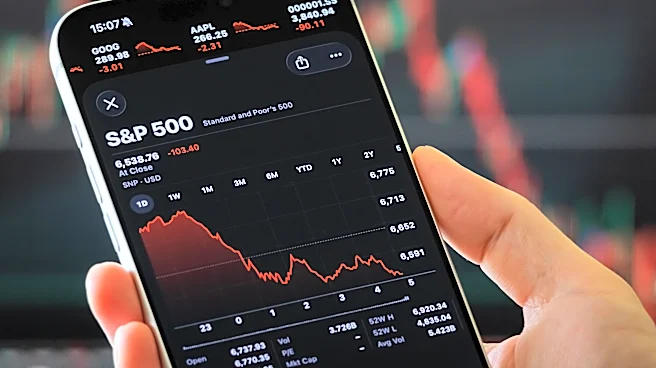
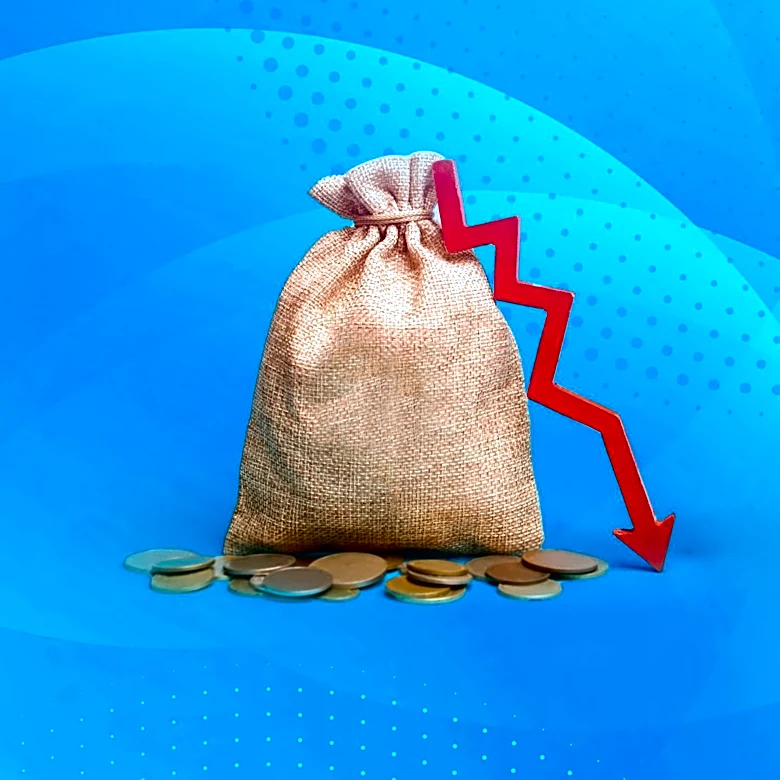
This performance comes amidst an AI-led selloff that has particularly impacted tech-heavy indexes. Berkshire's resilience is attributed to its diverse portfolio of operating businesses, including insurance, railroad, energy, manufacturing, service, and retail companies, alongside one of the world's largest equity portfolios. The company's operating earnings increased to $12.98 billion from $11.16 billion a year prior, and it became a net buyer of stocks for the first time in over three years, deploying $23.5 billion into equities and repurchasing $4.5 billion of its own shares. CEO Greg Abel, Warren Buffett’s successor, is overseeing these capital deployment shifts.
Why It's Important?
Berkshire Hathaway's strong performance in a volatile market, particularly against a backdrop of declining tech stocks, highlights the potential benefits of a diversified, defensive investment strategy. For U.S. investors, this raises a critical question about whether a conglomerate like Berkshire Hathaway offers a more stable and potentially superior return compared to broad market index funds, especially during periods of economic uncertainty or sector-specific downturns. The company's ability to generate returns from various sectors, rather than being heavily concentrated in one, provides a buffer against market fluctuations. This performance could influence investment decisions, prompting a re-evaluation of portfolio diversification and the role of value-oriented investments versus growth-oriented tech stocks, particularly as the Federal Reserve considers further rate hikes.
What's Next?
The future performance of Berkshire Hathaway and its comparison to index funds will largely depend on several factors, including the Federal Reserve's decision on interest rates in December and the potential for a tech stock recovery. If the Fed raises rates, it could further challenge tech-heavy indexes, potentially extending Berkshire's defensive lead. Conversely, a sharp tech rally could see slower-moving conglomerates like Berkshire Hathaway lag behind. Investors will be closely watching CEO Greg Abel's continued stock purchases and the company's operating growth. The ongoing debate about whether Berkshire Hathaway serves as a standalone investment or a complement to an index fund will likely persist, with its low-volatility profile and strategic capital deployment offering tools that index funds lack.
Beyond the Headlines
The sustained outperformance of Berkshire Hathaway in a challenging market environment underscores a broader shift in investor sentiment, potentially moving away from an exclusive focus on high-growth tech stocks towards more fundamentally sound, diversified businesses. This trend could signal a re-emphasis on traditional valuation metrics and a more cautious approach to market speculation. The success of CEO Greg Abel in navigating these market conditions will also be a key indicator of the company's post-Buffett leadership. Furthermore, the discussion around Berkshire's 'defensive edge' highlights the cyclical nature of market preferences and the enduring appeal of companies with strong balance sheets and diverse revenue streams, offering a counter-narrative to the often-dominant tech-driven market narratives.