



What's Happening?
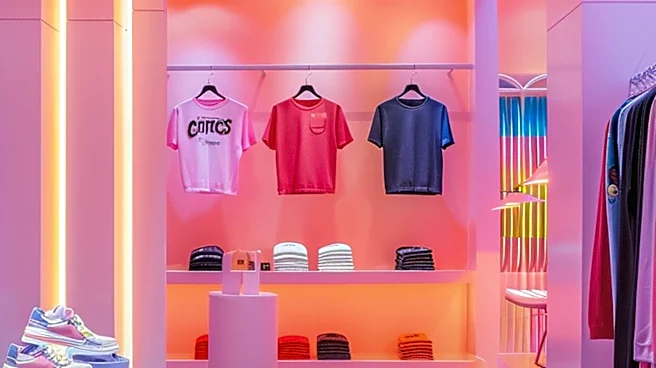
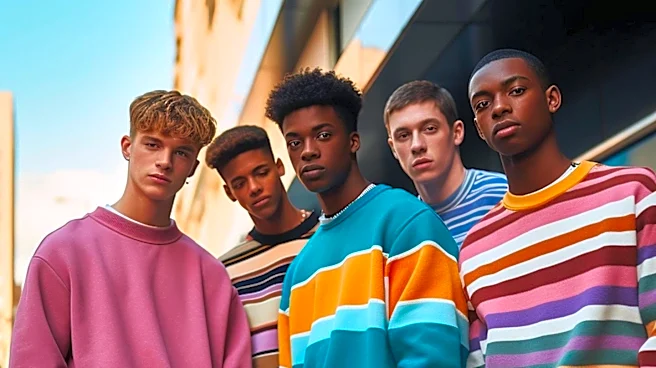
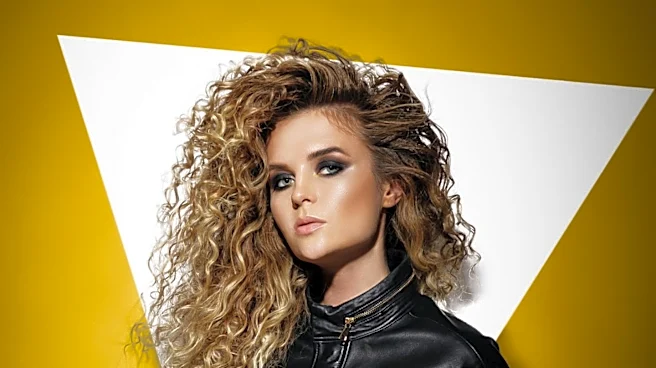
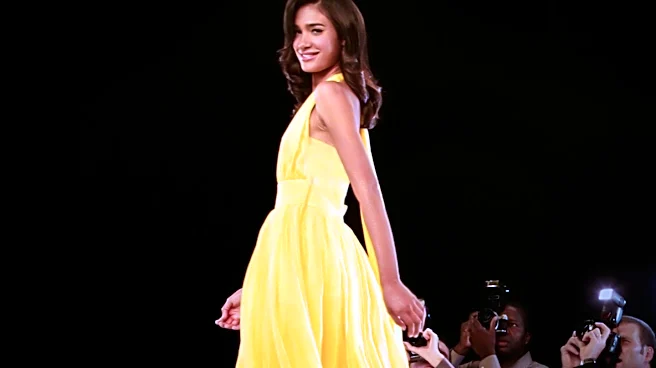
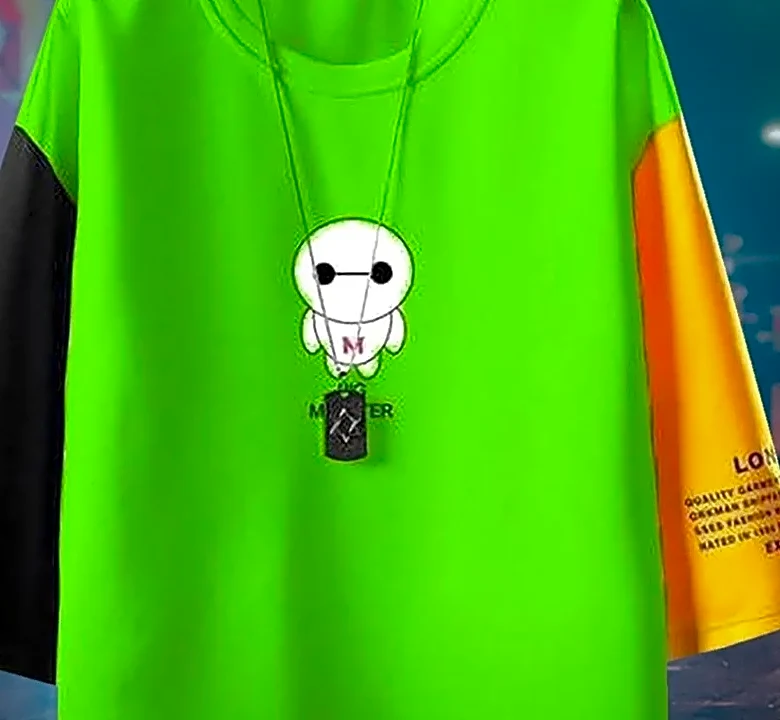
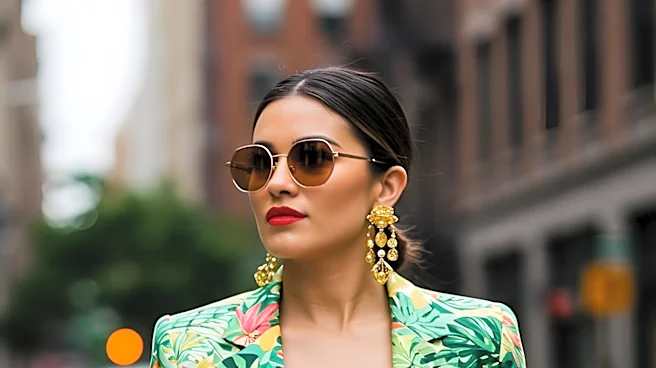
New York Fashion Week is witnessing a significant shift from the '90s minimalism to a more vibrant and colorful aesthetic. Designers are embracing bold color combinations, as seen in the spring 2027 menswear collections and Marc Jacobs' ready-to-wear
collection. This trend is characterized by unexpected color pairings, such as a Celine camel sweater with a Barbie pink cummerbund, and Ralph Lauren's enhanced prep-school palette. Tibi founder Amy Smilovic noted a 'sense of lightness' on the runways, contrasting with Pantone's 2026 Color of the Year, Cloud Dancer, a soft gray-hued white. The shift towards vibrant colors reflects a desire for levity amid global seriousness.
Why It's Important?
The resurgence of vibrant colors in fashion signifies a broader cultural shift towards optimism and expression. This trend could influence consumer behavior, encouraging more adventurous fashion choices and potentially boosting sales in the fashion industry. It also reflects a societal desire for positivity and creativity in challenging times. Designers and brands that adapt to this trend may gain a competitive edge, appealing to consumers seeking fresh and lively aesthetics. The move away from minimalism could also impact fashion marketing strategies, focusing on bold and eye-catching visuals.
What's Next?
As the trend towards vibrant colors continues, fashion brands may increasingly incorporate bold hues into their collections, influencing upcoming fashion seasons. Retailers might adjust their inventory to meet consumer demand for colorful apparel. Fashion media and influencers could play a crucial role in promoting this trend, shaping public perception and acceptance. Additionally, this shift may inspire other creative industries, such as interior design and graphic arts, to explore more colorful and dynamic expressions.
Beyond the Headlines
The embrace of vibrant colors in fashion could have deeper implications for cultural identity and self-expression. It may encourage individuals to explore personal style more freely, challenging traditional norms of fashion. This trend could also foster inclusivity, as diverse color palettes resonate with a broader range of cultural backgrounds and personal tastes. In the long term, the fashion industry's pivot towards color may influence global fashion trends, setting a precedent for future design innovations.