

What's Happening?
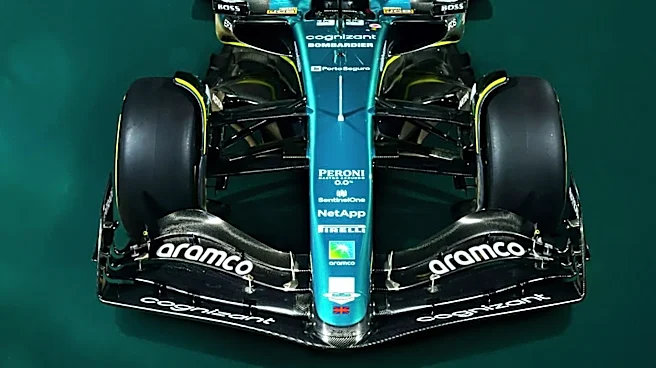
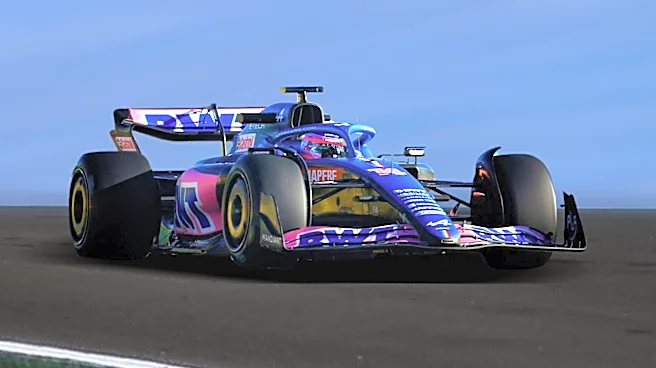
Aston Martin's Formula 1 team introduced a Honda power unit upgrade and further aerodynamic revisions at the Dutch Grand Prix. Despite these updates, both drivers, Fernando Alonso and Lance Stroll, failed to progress beyond Q1 in qualifying. Stroll explicitly
stated that the Honda power unit upgrade was 'not nearly enough' of a step forward, citing issues with drivability, inconsistent engine braking, and rejected downshifts. Alonso, while acknowledging the Q1 exit, highlighted a significant improvement in the car's outright pace, noting that the team is now much closer to the leading cars than a few races ago. He suggested that the double Q1 elimination might have obscured the true extent of the car's recovery. The aerodynamic upgrades focused on both the front wing and the rear floor area, with modifications aimed at improving local aerodynamic performance, expanding the car’s aerodynamic operating window, and increasing rear aerodynamic load. Honda's trackside general manager, Shintaro Orihara, confirmed that the manufacturer is working to resolve the drivability problems, acknowledging similar feedback from both drivers.
Why It's Important?
The mixed reactions to Aston Martin's upgrades at the Dutch Grand Prix highlight the complex and incremental nature of performance development in Formula 1. While aerodynamic improvements are showing promise, the persistent issues with the Honda power unit's drivability could be a significant bottleneck for the team's competitiveness. For Aston Martin, a team with aspirations to challenge at the front, consistent performance across both chassis and power unit is crucial. The drivers' feedback underscores the importance of seamless integration between the engine and the car's handling characteristics. If Honda cannot swiftly address the drivability concerns, it could impede Aston Martin's ability to capitalize on its aerodynamic gains, potentially affecting their standing in the Constructors' Championship and their long-term development trajectory. This situation also puts pressure on Honda to deliver more substantial improvements, especially as the sport moves towards new engine regulations, where power unit performance will remain a critical differentiator.
What's Next?
Aston Martin and Honda will likely continue to collaborate closely to address the identified drivability issues with the power unit. Honda's Shintaro Orihara has stated that resolving these problems is their primary focus for the short and medium term, indicating that further software or factory-level changes are anticipated. Fernando Alonso suggested that more significant improvements from Japan might be seen around the Monza race, aiming to optimize the package further. The team will also continue to refine its aerodynamic package, building on the recent revisions to the front wing and floor. The goal will be to translate the improved race pace, which Alonso noted as a strength due to the chassis's good grip, into better qualifying performance. The upcoming races will be critical for Aston Martin to demonstrate whether they can overcome these power unit challenges and consistently compete for higher grid positions and points.
Beyond the Headlines
The situation at Aston Martin reflects a broader challenge in Formula 1: the delicate balance between chassis development and power unit performance. Even with significant aerodynamic advancements, a suboptimal power unit can severely limit a team's potential. This interdependence highlights the strategic importance of strong partnerships between chassis constructors and engine manufacturers. For Aston Martin, a relatively newer entrant as a factory team, overcoming these technical hurdles is crucial for establishing its credibility and attracting top talent. The public feedback from drivers like Lance Stroll, while blunt, also serves as a powerful motivator for the engine supplier to accelerate development. This ongoing struggle for optimal performance underscores the relentless innovation cycle in F1, where even marginal gains or persistent issues can have profound implications for a team's competitive standing and its long-term vision in the sport.