





What's Happening?
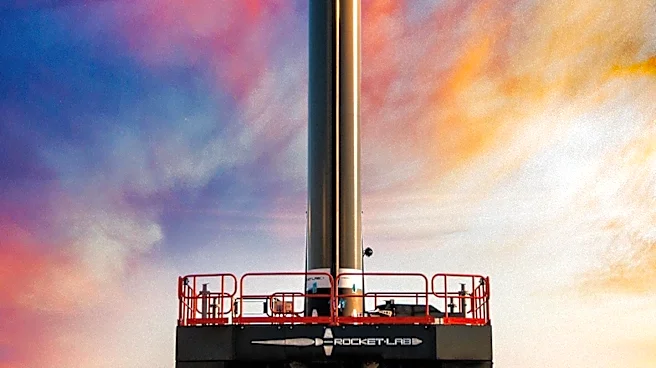
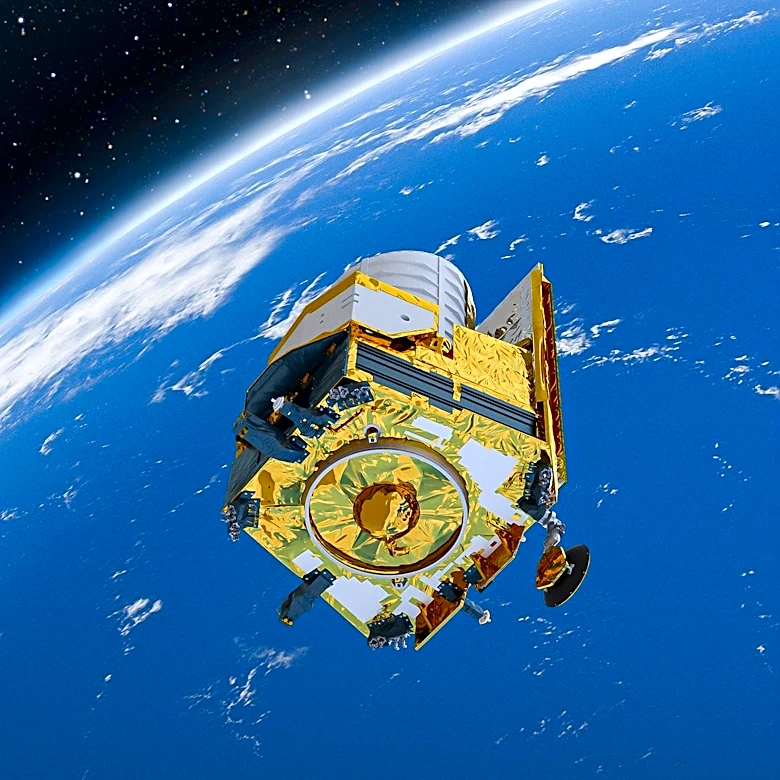
Rocket Lab, an end-to-end space company, is seeking a Spacecraft Operations Engineer II for its Long Beach, CA headquarters. This role is crucial for ensuring the health, safety, and optimal performance of Rocket Lab's expanding fleet of satellites, which
support a variety of missions including LEO constellations, interplanetary exploration, LEO rendezvous, and Space Development Agency (SDA) deployments. The engineer will be involved in commissioning, orbit raising, routine operations, and potential re-entry phases. The position requires collaboration with various internal teams such as spacecraft design, AIT, flight software, propulsion, GNC, flight dynamics, and ground software development to enhance both ground and satellite capabilities. Candidates need a Bachelor's degree in engineering and at least two years of direct experience in space mission design, satellite subsystems, ground systems, spacecraft command control, or spacecraft operations, with the ability to obtain a U.S. security clearance.
Why It's Important?
This job opening at Rocket Lab signifies the ongoing expansion and increasing complexity of U.S. commercial space operations. The demand for skilled spacecraft operations engineers highlights the critical need for expertise in managing diverse satellite missions, from commercial constellations to national security initiatives. Rocket Lab's involvement in interplanetary exploration and SDA deployments underscores its role in advancing both scientific discovery and defense capabilities for the U.S. The requirement for a U.S. security clearance indicates the sensitive nature of some of these projects, linking commercial space endeavors directly to national interests. This growth in the private space sector contributes to job creation, technological innovation, and strengthens the U.S. position in the global space economy.
What's Next?
Rocket Lab will continue to recruit specialized talent to support its growing portfolio of space missions and satellite operations. The successful candidate will contribute to the operational efficiency and success of current and future spacecraft, directly impacting the reliability of services provided to both commercial and government clients. As Rocket Lab expands its capabilities, particularly in areas like interplanetary exploration and defense-related deployments, there will likely be further demand for highly skilled engineers and technicians. This ongoing development will contribute to the broader U.S. space industry's capacity for innovation and mission execution, potentially leading to more advanced space technologies and services.
Beyond the Headlines
The role of a Spacecraft Operations Engineer II at Rocket Lab reflects a broader trend in the aerospace industry: the increasing reliance on automation and software-driven solutions for managing complex space assets. The emphasis on designing, developing, and testing ground software for long-term space operations, including robust and automated operations, points to a future where spacecraft management is highly integrated with advanced computing. This shift not only enhances efficiency but also reduces human error and allows for more ambitious mission profiles. Furthermore, the vertical integration approach at Rocket Lab, where many technical products are supplied in-house, suggests a strategic move towards greater control over the supply chain and faster innovation cycles, which could set new industry standards for space mission development and execution.