


What's Happening?
Y2K fashion, characterized by styles from the late 1990s to mid-2000s, is experiencing a significant resurgence in 2026. This revival sees popular elements like bright colors, low-rise jeans, fitted tops, and shiny details re-emerging, but with contemporary
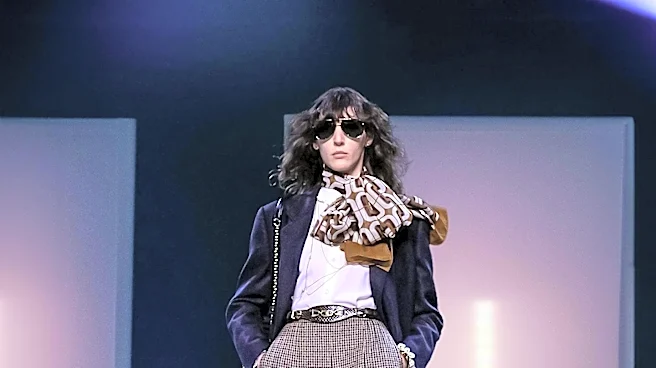
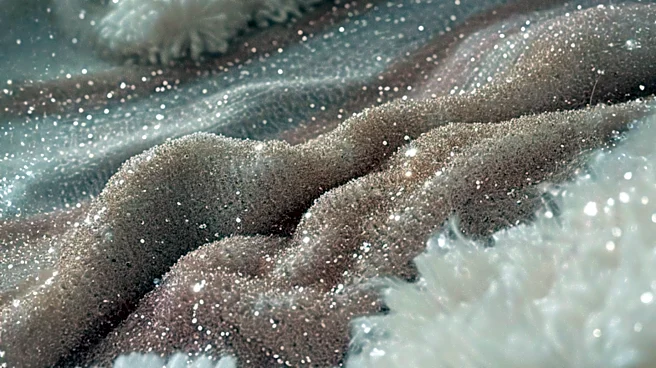
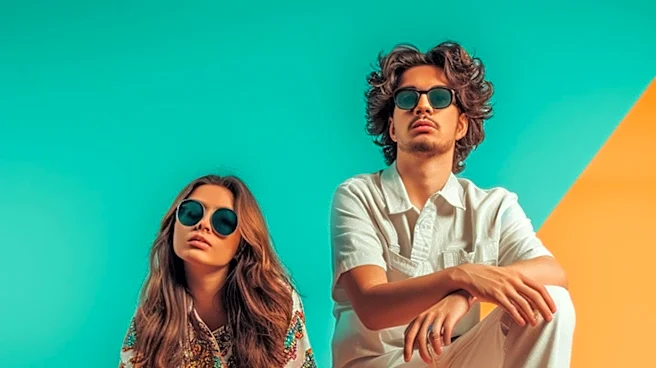
twists. Instead of direct replication, modern Y2K looks often pair these nostalgic pieces with newer cuts and simpler designs, making them more wearable for today's fashion landscape. Key components of this trend include low-rise bottoms, baby tees, extensive use of denim, bold color palettes (pink, blue, silver, lime, bright red), and glossy accessories. Social media platforms like TikTok and Instagram are playing a crucial role in popularizing these styles, with numerous outfit videos, styling tips, and thrift hauls contributing to their widespread adoption. Designers are also incorporating Y2K references into new collections, often with minimal updates, further solidifying its presence in current fashion.
Why It's Important?
The return of Y2K fashion signifies a broader trend in the fashion industry where nostalgia heavily influences current styles. This phenomenon impacts retailers and designers, who must adapt their offerings to meet consumer demand for these retro-inspired looks. The blend of old and new in Y2K fashion also highlights a shift towards more personalized and less rigid style interpretations, where individuals select specific elements rather than adopting an entire aesthetic. This trend can influence manufacturing, marketing strategies, and even the resale market for vintage clothing. For consumers, it offers a way to express individuality by mixing nostalgic pieces with contemporary items, creating unique outfits that resonate with both those who experienced the original era and younger generations discovering it for the first time. The emphasis on specific Y2K elements rather than full outfits also promotes a more sustainable approach to fashion, encouraging the integration of existing pieces with new trends.
What's Next?
The Y2K fashion trend is expected to continue evolving, with further integration of its core elements into mainstream fashion. Designers will likely continue to reinterpret Y2K aesthetics, introducing new variations and combinations that keep the trend fresh. We may see an increased focus on sustainable practices within this trend, with more brands offering upcycled or vintage-inspired pieces. Social media will remain a primary driver, with influencers and content creators continuing to showcase innovative ways to style Y2K items, potentially leading to new micro-trends within the broader Y2K movement. Retailers will likely expand their Y2K-inspired collections, offering a wider range of clothing and accessories that cater to different interpretations of the style. The trend's longevity will depend on its ability to adapt and remain relevant through continuous reinterpretation and integration with emerging fashion sensibilities.
Beyond the Headlines
Beyond its immediate impact on fashion cycles, the resurgence of Y2K styles reflects deeper cultural and psychological undercurrents. For those who grew up in the early 2000s, it offers a sense of nostalgia and comfort, allowing them to reconnect with their past. For younger generations, it represents a discovery of a 'new' aesthetic, often filtered through a contemporary lens, highlighting the cyclical nature of fashion and cultural trends. This trend also underscores the power of digital platforms in shaping and accelerating fashion cycles, demonstrating how viral content can rapidly disseminate and popularize specific styles. Ethically, the trend encourages discussions around sustainable consumption, as consumers are increasingly mixing vintage or thrifted Y2K pieces with new items, potentially reducing the demand for entirely new productions. Legally, the re-emergence of specific design elements might lead to renewed interest in intellectual property related to fashion designs from that era.