



What's Happening?
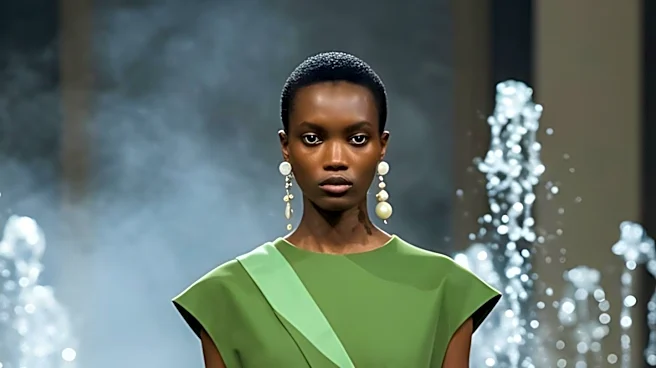
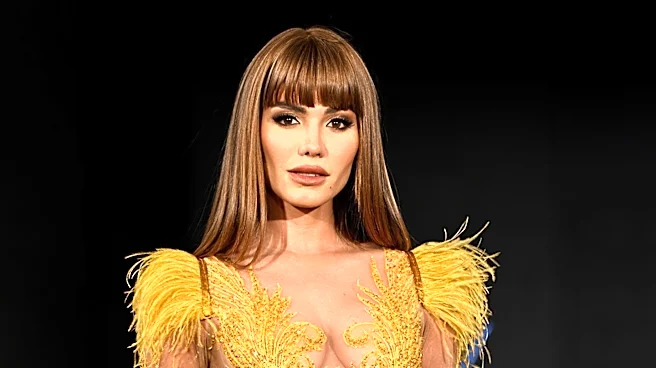
London Fashion Week (LFW) takes place twice annually, in February and September, showcasing autumn/winter and spring/summer collections over approximately five days. Organized by the British Fashion Council, the event combines invitation-only runway shows
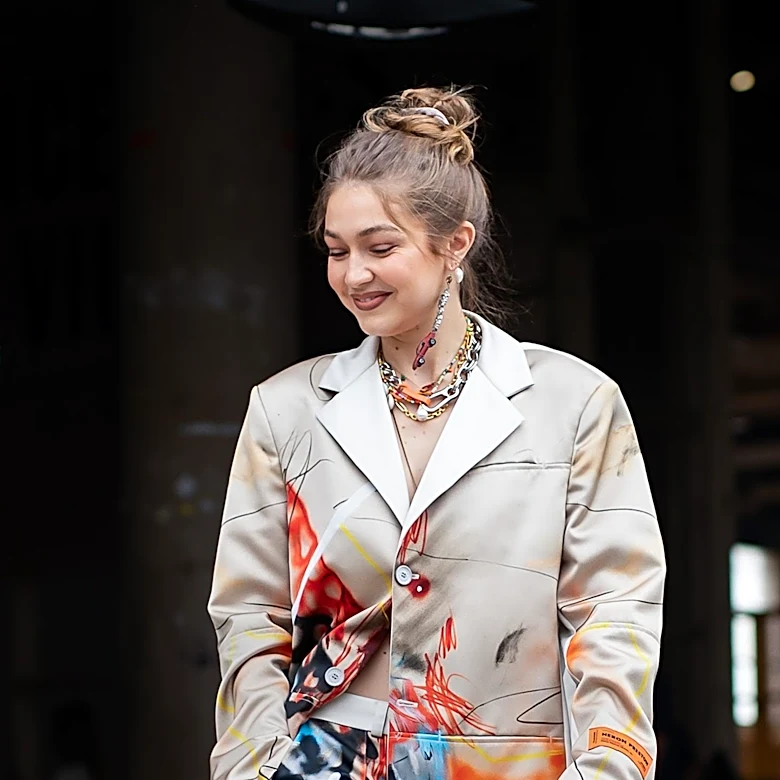
with public city-wide events and digital streams available on the official LFW platform. Unlike Paris, which focuses on traditional luxury, or Milan, known for heritage leatherwork, London is recognized as a global launchpad for eccentric, experimental, and streetwear-adjacent fashion, particularly supporting emerging independent designers through initiatives like NEWGEN. The schedule is unified and gender-neutral, featuring both menswear and womenswear. While general public tickets for runway shows are not available, the public can access city-wide celebrations and digital streams of all official presentations.
Why It's Important?
London Fashion Week's role as a platform for emerging and experimental design holds significant implications for the U.S. fashion industry. It serves as an early preview of upcoming silhouettes, color palettes, and textile trends that can influence U.S. designers, retailers, and consumers. The emphasis on supporting new talent and fostering unconventional styles in London can inspire innovation and diversification within the U.S. market, encouraging a broader range of aesthetic expressions beyond established luxury brands. For U.S. fashion businesses, monitoring LFW provides insights into future market directions and potential collaborations with cutting-edge designers, helping them stay competitive and relevant in a rapidly evolving global fashion landscape. The accessibility of digital streams also democratizes fashion, allowing U.S. audiences to engage directly with global trends.
What's Next?
London Fashion Week will continue to run its biannual schedule in February and September, maintaining its focus on showcasing both established and emerging designers. The British Fashion Council will likely further develop its digital platforms to enhance global accessibility, allowing more U.S. and international viewers to engage with the shows and presentations. The trend towards a unified, gender-neutral schedule is expected to persist, reflecting broader shifts in fashion and societal norms. As the event continues to champion experimental and streetwear styles, it will likely influence future collections and retail offerings in the U.S., potentially leading to increased demand for unique and avant-garde fashion pieces. The ongoing city-wide events will also continue to foster public engagement and appreciation for fashion beyond the exclusive industry circles.
Beyond the Headlines
London Fashion Week's distinct identity as a hub for experimental and independent design reflects a deeper cultural value placed on creativity and individuality. This contrasts with the more established luxury narratives often seen in Paris and Milan. For the U.S., this offers a model for fostering a vibrant and diverse fashion ecosystem that supports new voices and unconventional aesthetics. It highlights the importance of cultural institutions like the British Fashion Council in nurturing talent and shaping industry direction. The accessibility of LFW through digital streams also raises questions about the future of fashion as an exclusive art form versus a globally accessible cultural phenomenon, potentially influencing how U.S. fashion events evolve to engage a wider audience and promote inclusivity.