


What's Happening?
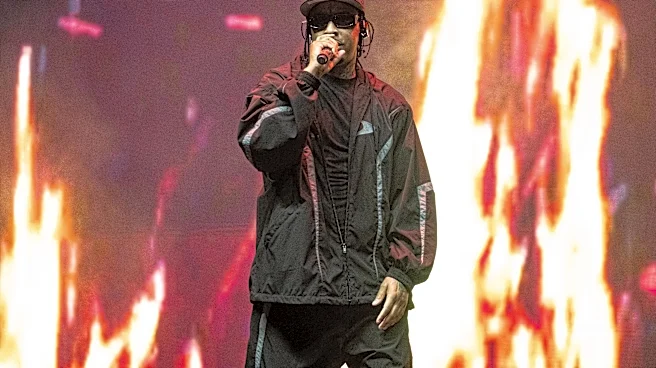
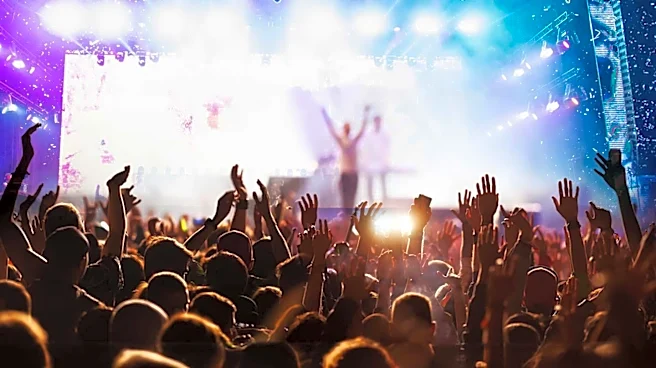
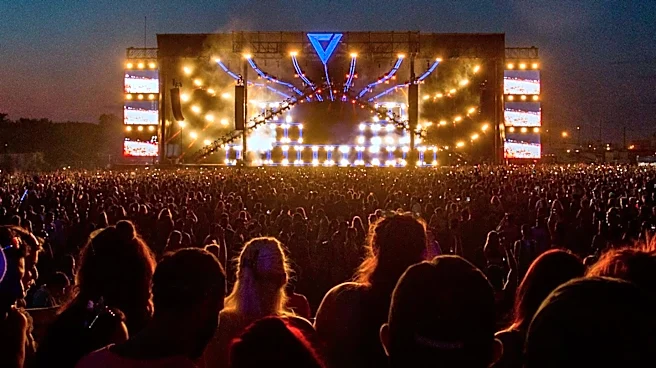
Rapper BigXthaPlug, known for blending country and rap, has drawn a stark contrast between the atmospheres at hip-hop festivals like Rolling Loud and country music festivals such as Stagecoach. According to BigXthaPlug, hip-hop events are often characterized
by conflict, with attendees and artists facing security concerns, including stabbings and stringent car searches. He stated that at Rolling Loud, artists are advised to perform their sets and leave immediately due to the prevalent fighting. In contrast, BigXthaPlug described country music festivals as significantly more harmonious, allowing artists to interact freely with fans and each other without fear of violence or strict security measures. He noted that country artists often socialize casually, even drinking beer together on a random weekday, a level of camaraderie he finds absent in the hip-hop scene, which he perceives as segregated by regional identities.
Why It's Important?
This observation by BigXthaPlug sheds light on significant cultural and operational differences within the U.S. music festival landscape. The reported security issues at hip-hop festivals like Rolling Loud could impact artist participation, fan attendance, and the overall reputation of these events, potentially leading to increased security costs and stricter regulations. For the broader entertainment industry, such disparities might influence how different music genres are perceived and marketed, affecting investment and sponsorship decisions. The perceived lack of harmony in hip-hop, as described by BigXthaPlug, could also hinder collaborative efforts among artists and impact the genre's public image, while the more unified country music scene might continue to foster a strong community among its artists and fanbase, potentially leading to more stable and positive growth.
What's Next?
The insights from BigXthaPlug could prompt organizers of hip-hop festivals to re-evaluate and enhance their security protocols and crowd management strategies to ensure safer environments for artists and attendees. This might involve implementing more visible security personnel, advanced surveillance, or stricter entry policies. Conversely, country music festivals may continue to leverage their reputation for a more relaxed and harmonious atmosphere to attract larger audiences and maintain strong community ties. The differing experiences could also spark broader discussions within the music industry about artist welfare, fan safety, and the cultural dynamics that contribute to these contrasting environments across genres. Artists and their management might increasingly consider these factors when deciding on festival appearances.
Beyond the Headlines
The comparison between hip-hop and country music festival environments by BigXthaPlug touches upon deeper societal issues, including perceptions of safety, community, and cultural identity within different musical subcultures. The reported violence at hip-hop events could reflect broader socio-economic challenges or cultural narratives often associated with the genre, potentially perpetuating stereotypes. Conversely, the harmonious atmosphere at country festivals might reinforce an image of traditional American values and community. This divergence could also highlight varying expectations among fan bases regarding festival experiences, from high-energy, potentially volatile environments to more laid-back, communal gatherings. Understanding these underlying dynamics is crucial for fostering inclusive and safe spaces across all forms of live entertainment.