



What's Happening?
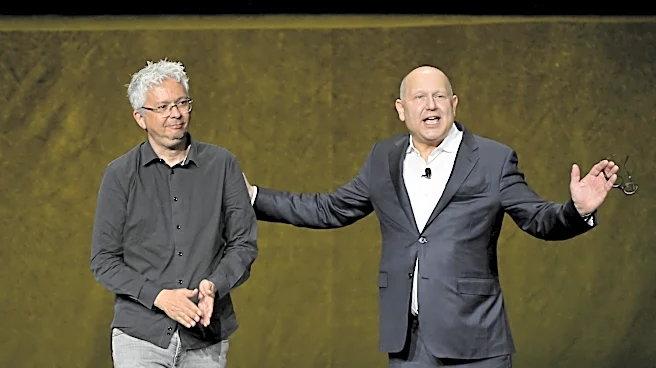
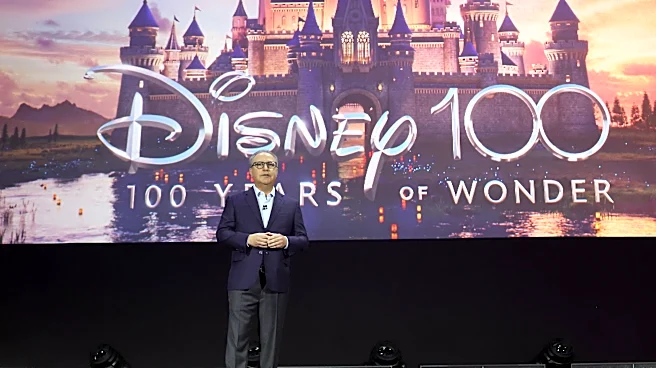
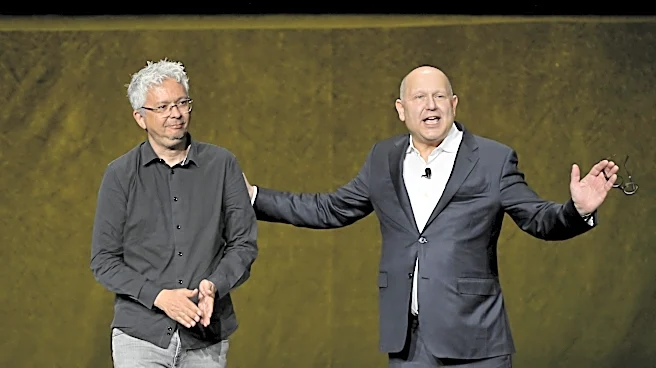
An unauthorized biography titled “The House of Mouse” by Robbie Whelan, set for release on December 1st, offers a critical portrayal of former Disney CEOs Bob Iger and Bob Chapek. According to an early review by The New York Times, the book describes
Iger as “insecure, vindictive, and preoccupied with money.” While acknowledging Iger's role in transforming Disney through acquisitions like Pixar, Marvel, and Lucasfilm, the biography delves into less flattering aspects of his leadership and personal life. The book also paints a negative picture of Iger's successor, Bob Chapek, characterizing him as “calculating, paranoid, and tone-deaf.” Whelan, a former Wall Street Journal reporter, spent nearly four years researching and writing the 528-page book. Iger declined to be interviewed for the book and, through a lawyer, raised concerns about a potentially “false and defamatory” account. Disney also refused to cooperate, with Whelan stating their instinct was to “bully” him. Chapek did not respond to requests for comment regarding the book's depiction.
Why It's Important?
This biography is significant as it challenges the carefully cultivated public images of two prominent figures in the entertainment industry, Bob Iger and Bob Chapek, who have profoundly influenced The Walt Disney Company. For Iger, the book's claims of insecurity and preoccupation with money, particularly regarding his compensation, could alter public perception of his legacy, which has largely been one of strategic brilliance and creative vision. For Chapek, the portrayal as calculating and tone-deaf could further solidify negative sentiments that emerged during his tenure, especially concerning his management style and decisions affecting theme parks. The book's insights into the internal dynamics and personalities at the top of a major U.S. corporation like Disney can influence how leadership is perceived within the entertainment sector and beyond. It also highlights the ongoing tension between corporate narratives and independent journalistic accounts, potentially impacting future executive biographies and corporate transparency.
What's Next?
The release of "The House of Mouse" on December 1st is expected to generate considerable discussion within the entertainment industry and among Disney stakeholders. Bob Iger is scheduled to attend his final Disney board meeting on the same day, which could add another layer of scrutiny to his departure and legacy. While Iger has already published his own memoir, "The Ride of a Lifetime," and has another, "One Last Time," due in March, Whelan's unauthorized account offers a contrasting perspective that Iger has actively sought to challenge. The book's revelations could prompt further commentary from industry analysts, former Disney employees, and the public, potentially influencing future corporate governance discussions at Disney. However, some experts, like business professor Tim Pollock, suggest that while Hollywood insiders may be keen on the book, the broader public might have moved past the Disney succession drama.
Beyond the Headlines
The unauthorized biography of Bob Iger and Bob Chapek delves into deeper implications beyond just corporate leadership, touching on themes of power, public image, and the control of narrative. Iger's alleged attempts to shape his own story through multiple memoirs and his legal team's response to Whelan's book highlight the intense desire of powerful figures to manage their public perception. The book's exploration of Iger's personal life and its connection to his ambition and insecurities raises ethical questions about the extent to which private details are relevant in understanding public figures. Furthermore, the contrasting portrayals of Iger and Chapek underscore the complexities of corporate succession and the challenges of maintaining a consistent leadership philosophy within a global entertainment conglomerate. The book also implicitly critiques the 'hero CEO' narrative, suggesting that even highly successful leaders may possess less flattering traits that are often obscured by corporate PR and self-authored accounts.