






What's Happening?
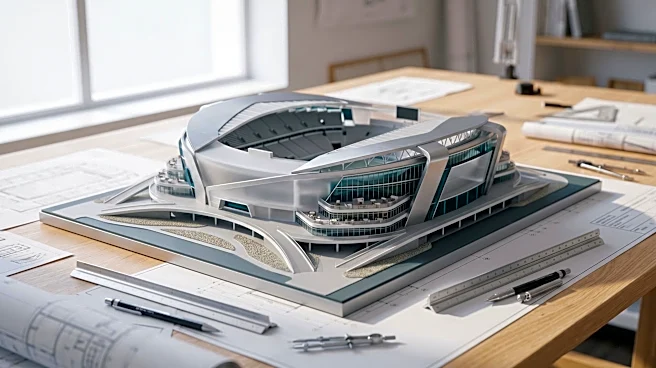
Sixers minority owner David Adelman, in collaboration with Flyers owner Comcast Spectacor, is developing a new arena in South Philadelphia, slated to open in 2030. This venue, located at the former Spectrum site next to Xfinity Mobile Arena, aims to host
approximately 250 events annually, including games for the Sixers, Flyers, and Philadelphia's upcoming WNBA franchise. Adelman's vision for the arena extends beyond traditional sports events, focusing on enhancing the fan experience, particularly by offering an alternative to the long-standing tailgating culture. He plans to incorporate a large outdoor courtyard featuring restaurants, bars, and retail spaces, encouraging fans to gather before and after games. This initiative is presented as the largest fully privately funded project in Philadelphia's history, with a stated goal of providing more value to fans amidst rising game attendance costs through expanded dining and entertainment options.
Why It's Important?
This development is significant for Philadelphia's sports and entertainment landscape, potentially reshaping fan traditions and local commerce. By introducing a new, privately funded arena with extensive amenities, Adelman is challenging the established tailgating ritual, which has been a generational practice in the city's Sports Complex parking lots. The project's emphasis on expanded dining and entertainment aims to offer fans greater value, addressing concerns about the increasing cost of attending live games. This could set a new standard for sports venues, influencing how other cities approach fan engagement and facility development. The inclusion of Philadelphia's incoming WNBA franchise also highlights a commitment to diversifying sports offerings and potentially boosting the local economy through increased event traffic and associated spending at the new retail and dining establishments.
What's Next?
The new arena is projected to open in 2030, with construction and development continuing over the next several years. Adelman's team will likely focus on marketing the new fan experience to gradually shift public perception and encourage adoption of the new pre- and post-game activities. Further details regarding specific tenants for the retail and dining spaces, as well as event scheduling beyond the primary sports teams, are expected to emerge. The success of this venture will depend on its ability to attract fans away from traditional tailgating, which will be a key metric to watch. The project's progress will also be closely monitored by city officials and other sports franchises, as it represents a significant private investment in urban development and sports infrastructure.
Beyond the Headlines
The proposed arena project carries deeper implications for urban planning and the evolution of fan culture. It represents a trend towards creating more integrated entertainment districts around sports venues, moving beyond simple game attendance to a comprehensive leisure experience. This shift could lead to a more controlled and commercialized environment for fans, potentially altering the spontaneous and community-driven nature of traditional tailgating. Ethically, the balance between providing enhanced amenities and preserving long-standing cultural practices will be a point of discussion. Economically, the project could stimulate local job creation and tax revenue, but it also raises questions about accessibility and affordability for all segments of the population, particularly concerning the rising costs of sports entertainment. The long-term success of this model could influence future urban development strategies for sports complexes across the U.S.