






What's Happening?
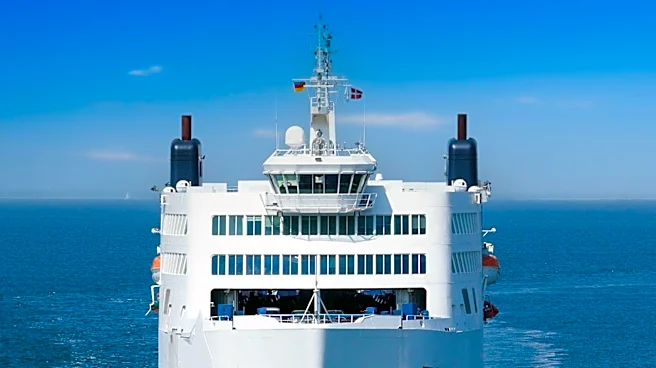
Wärtsilä, a leading technology group, has been selected to supply propulsion solutions for nine new ferry vessels being constructed for the Grimaldi Group. These vessels are part of Grimaldi's fleet renewal program aimed at achieving decarbonized shipping
operations. The ships, which include four for Grimaldi Lines, three for Finnlines, and two for Minoan Lines, are being built at the China Merchants Shipbuilding Industry Group Weihai Shipyard Co., Ltd. Wärtsilä's solutions include fuel-flexible, high-efficiency 46F engines capable of operating on sustainable fuels like methanol, hybrid exhaust scrubber systems, and a comprehensive hybrid electric system for Finnlines vessels. These technologies are designed to enhance propulsion efficiency, reduce fuel consumption, and ensure compliance with international maritime regulations.
Why It's Important?
The adoption of Wärtsilä's advanced propulsion solutions is significant as it aligns with the International Maritime Organization's decarbonization targets. By equipping the new vessels with fuel-flexible engines and hybrid systems, Grimaldi Group is positioning itself at the forefront of sustainable maritime operations. This move not only supports environmental goals but also offers operational flexibility and efficiency, which are crucial for ferry operators facing stringent emissions regulations. The initiative reflects a broader industry trend towards adopting innovative technologies to reduce carbon footprints and enhance sustainability in shipping.
What's Next?
Wärtsilä is set to deliver the equipment for the nine ferries between 2026 and 2028. As these vessels become operational, they will serve various routes, including the Helsinki-Travemünde route for Finnlines and connections in the Mediterranean for Grimaldi and Minoan Lines. The successful implementation of these technologies could influence other shipping companies to adopt similar sustainable practices, potentially accelerating the industry's transition towards greener operations. Stakeholders will likely monitor the performance and efficiency gains of these vessels closely, which could inform future investments in maritime technology.