




What's Happening?
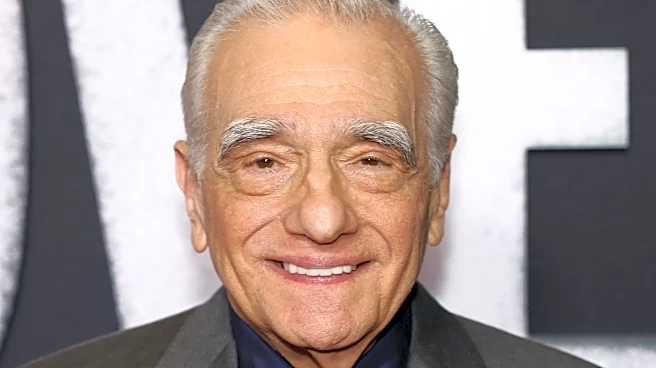
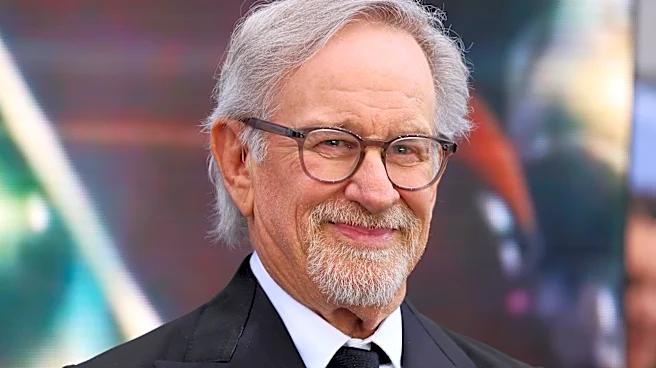
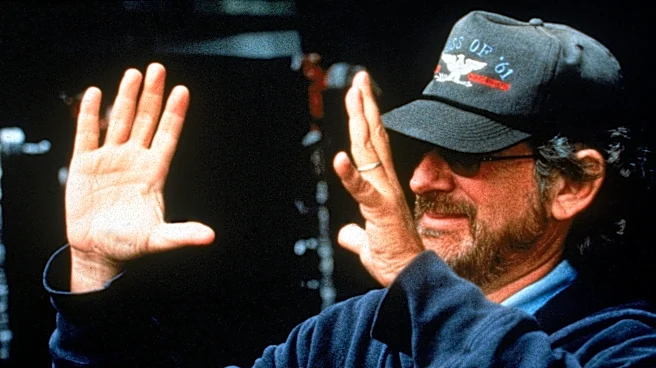
In a significant exchange that shaped two iconic films of the 1990s, Steven Spielberg and Martin Scorsese swapped directing assignments. Spielberg, who had been developing 'Schindler's List' since reading 'Schindler's Ark' in the 1980s, felt he lacked
the maturity to direct a film about the Holocaust. He had also been working on a remake of 'Cape Fear' but was hesitant to direct a violent thriller after completing 'Indiana Jones and the Last Crusade.' Meanwhile, Martin Scorsese had agreed to direct 'Schindler's List' but was reluctant to tackle the Holocaust after the controversy surrounding his previous film, 'The Last Temptation of Christ.' Spielberg proposed a trade: Scorsese would direct 'Cape Fear,' and Spielberg would take on 'Schindler's List.' This exchange led to both films becoming major successes, with 'Schindler's List' earning Spielberg his first Best Director Oscar and 'Cape Fear' receiving two Oscar nominations.
Why It's Important?
This behind-the-scenes decision highlights the complex creative processes and personal considerations that influence major film productions. The exchange between Spielberg and Scorsese demonstrates how directors' personal comfort levels and artistic visions can significantly impact the trajectory of a film. For Spielberg, taking on 'Schindler's List' marked a pivotal shift in his career, showcasing his ability to tackle serious historical dramas and earning him critical acclaim beyond his blockbuster successes. For Scorsese, directing 'Cape Fear' allowed him to explore a different genre and deliver a commercially successful thriller. This decision ultimately enriched cinematic history by placing each director in a project that, while initially outside their comfort zone, resulted in critically and commercially successful films that continue to be studied and celebrated.
What's Next?
While this event is historical, its implications continue to resonate in film studies and discussions about directorial choices. The success of both films following the swap serves as a case study in how creative flexibility and collaboration can lead to unexpected triumphs. For future filmmakers, it underscores the idea that sometimes stepping outside one's perceived artistic lane, or even trading projects, can unlock new creative potential. The legacy of this exchange will likely continue to be discussed in film retrospectives, documentaries, and academic analyses, offering insights into the careers of two of Hollywood's most influential directors and the making of two significant films.
Beyond the Headlines
The decision by Spielberg to direct 'Schindler's List' was not just a professional choice but also a deeply personal one, influenced by the rise of Holocaust denialism after the fall of the Berlin Wall. This context adds a layer of moral imperative to his decision, transforming the project from a mere film into a historical document and a powerful statement against revisionism. Similarly, Scorsese's willingness to take on 'Cape Fear' allowed him to navigate a period of professional scrutiny while still delivering a compelling work. This exchange reveals the human element behind major artistic endeavors—the doubts, the fears, and the ultimate courage to pursue projects that challenge both the artist and the audience. It also illustrates the collaborative spirit that can exist even among competitive peers in Hollywood, leading to outcomes that benefit the entire industry.