





What's Happening?
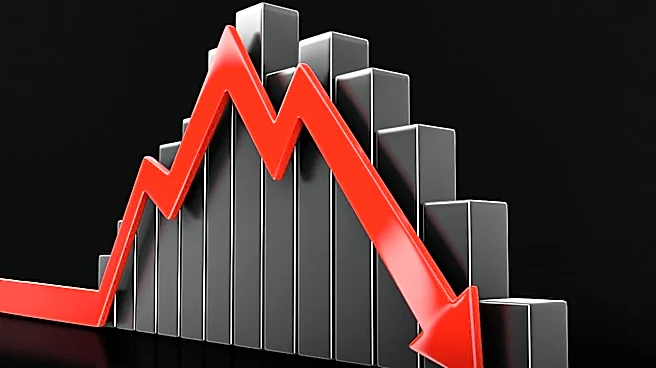
Hormel Foods Corporation (NYSE:HRL) is anticipated to report a decline in its top line for the fourth quarter of fiscal 2026, with revenues projected to be $3.2 billion, a 1.2% decrease from the previous year. This expected downturn is attributed to a challenging
consumer environment marked by persistent inflationary pressures and cautious spending. The company's performance has also been impacted by strategic portfolio rationalization efforts, including the divestiture of its whole-bird turkey business, the Justin's brand, and Brazilian operations. Lower commodity-based selling prices have further weighed on the top line. Despite these headwinds, Hormel Foods has focused on strengthening core brands like Jennie-O ground turkey, Applegate, Hormel Chili, and refrigerated entrées, supported by digital marketing and e-commerce initiatives for brands such as Planters, which may offer some relief in the upcoming earnings report. The Zacks Consensus Estimate for earnings per share remains at 38 cents, suggesting an 18.8% increase year-over-year.
Why It's Important?
The anticipated Q4 performance of Hormel Foods is significant as it reflects broader economic trends affecting the U.S. food industry. Persistent inflation and cautious consumer spending indicate a challenging landscape for food manufacturers, potentially leading to reduced sales volumes and revenue for companies reliant on consumer discretionary income. Hormel's strategy of divesting certain businesses and focusing on core brands highlights a common industry response to optimize portfolios and improve profitability in a tough economic climate. The pressure on margins due to elevated beef input costs, higher freight and logistics expenses, and increased advertising spending underscores the operational challenges faced by food companies. Conversely, lower pork input costs and disciplined cost management could provide some offset, demonstrating the importance of supply chain efficiency and strategic sourcing in mitigating financial pressures. The outcome of Hormel's earnings will offer insights into the effectiveness of these strategies and the overall health of the packaged food sector.
What's Next?
Hormel Foods is scheduled to report its fourth-quarter fiscal 2026 earnings on December 3. Investors and analysts will closely monitor the report for detailed insights into the impact of the challenging consumer environment, portfolio adjustments, and cost management efforts. The company's ability to maintain demand for its core brands through targeted marketing and e-commerce initiatives will be a key focus. Future guidance from Hormel Foods regarding its outlook for fiscal 2027 will be crucial for understanding its strategy to navigate ongoing inflationary pressures and consumer spending patterns. The performance of the Foodservice, International, and Retail segments will also be scrutinized, with consensus estimates indicating no change for Foodservice sales, a 2.3% decline for International, and a 4.9% decline for Retail. The company's dividend rate and yield will also remain a point of interest for shareholders.
Beyond the Headlines
The challenges faced by Hormel Foods extend beyond immediate financial results, touching upon broader shifts in consumer behavior and the competitive landscape of the food industry. The emphasis on digital marketing and e-commerce for brands like Planters reflects a growing trend towards online retail and direct-to-consumer engagement, which is becoming increasingly vital for food companies to reach modern consumers. The divestiture of certain brands and operations, while aimed at portfolio rationalization, also signals a strategic re-evaluation of market segments and product profitability. This could lead to a more streamlined and focused product offering, but also carries the risk of alienating certain consumer bases or losing market share in divested categories. The ongoing battle against elevated input costs and logistics expenses highlights the fragility of global supply chains and the need for robust risk management strategies in the food sector. Ultimately, Hormel's journey through these challenges will serve as a case study for how established food companies adapt to evolving economic conditions and consumer preferences.