



What's Happening?
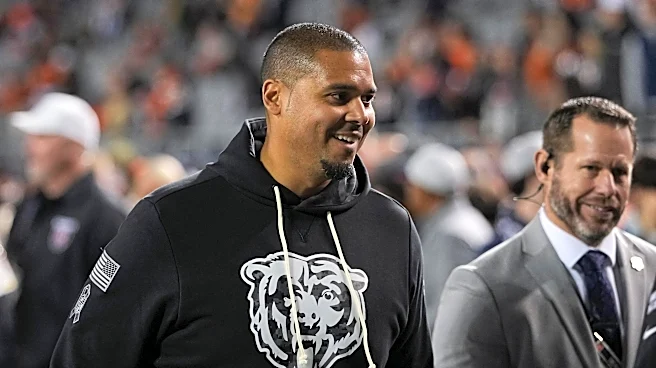
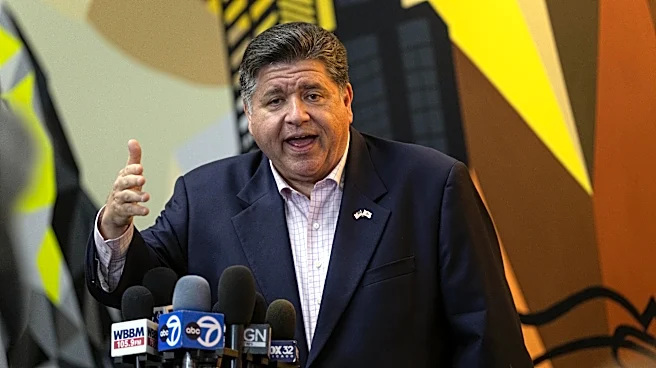
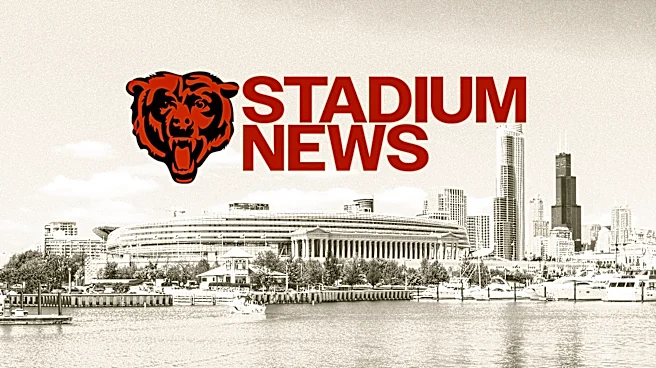
Illinois Governor JB Pritzker announced on Friday that an agreement regarding a new stadium for the Chicago Bears in Illinois could be reached as early as the first week of December. This statement followed a meeting that included Bears CEO Kevin Warren,
President George McCaskey, NFL Commissioner Roger Goodell, legislative leaders, and a high-ranking official from Pritzker's office. The primary goal of the meeting was to finalize a bill that could be presented to state legislators before their return to Springfield on November 17. The proposed bill would require the Bears to cover the stadium construction costs, after which the club would transfer ownership rights to a new public stadium authority, making the Bears tenants and exempt from property taxes. Despite these developments, the Chicago Bears confirmed they are still considering Hammond, Indiana, as an alternative location, where they are finalizing due diligence on two sites in the Wolf Lake area. The team stated they are engaged in productive dialogue with leadership in both Indiana and Illinois.
Why It's Important?
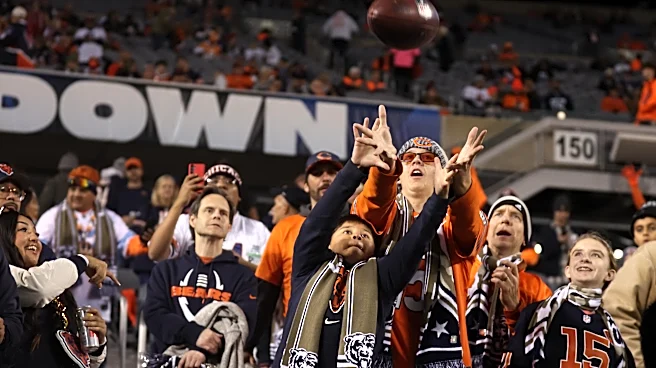
This potential agreement is significant for Illinois as it aims to retain the Chicago Bears, a major sports franchise, within the state. The proposed deal, which would see the Bears fund stadium construction but become tenants of a public authority, addresses the team's concerns about high property taxes, a key factor in their previous considerations to relocate. For Illinois, keeping the Bears could preserve jobs, generate economic activity, and maintain the state's cultural and sporting identity. Conversely, losing the team would result in a significant economic and emotional blow. The ongoing negotiations with Indiana highlight the competitive nature of attracting and retaining professional sports teams, often involving substantial public and private investment. The outcome will influence future strategies for states and municipalities seeking to host major sports organizations.
What's Next?
Governor Pritzker indicated that a vote on the stadium bill could occur during the veto session, which concludes on December 3. The bill needs to be ready for review by November 17, with potential hearings in the first week and a vote in the second week of December. However, an agreement between the team and legislative leaders does not guarantee the bill's passage, as it requires a supermajority vote. This means the Bears and proponents of the bill will need to persuade some current opponents to change their stance. The Bears also continue to pursue plans in Indiana, suggesting that the final decision on the stadium's location is not yet settled. The team expects continued dialogue with both Illinois and Indiana leadership in the coming weeks.
Beyond the Headlines
The ongoing stadium negotiations underscore a broader trend of professional sports franchises leveraging relocation threats to secure favorable deals, often involving public funding or tax exemptions. This situation raises questions about the balance between public investment in private enterprises and the economic benefits promised by such projects. The proposed model, where the team builds the stadium but becomes a tenant of a public authority, is a complex financial arrangement designed to mitigate property tax burdens while potentially providing infrastructure funding. The competition between Illinois and Indiana also highlights regional economic rivalries and the perceived value of hosting an NFL team. The outcome could set a precedent for how states and cities negotiate with sports franchises in the future, influencing public policy on stadium financing and urban development.