





What's Happening?
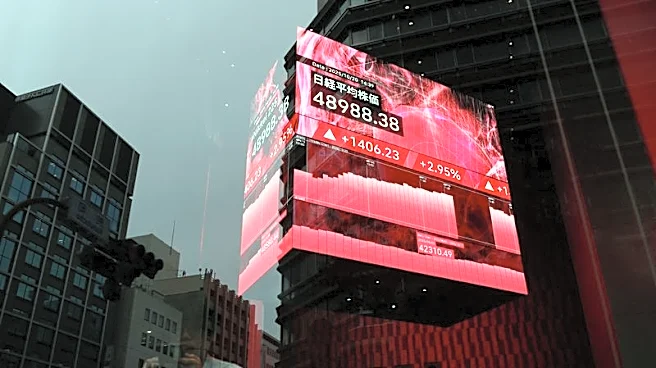
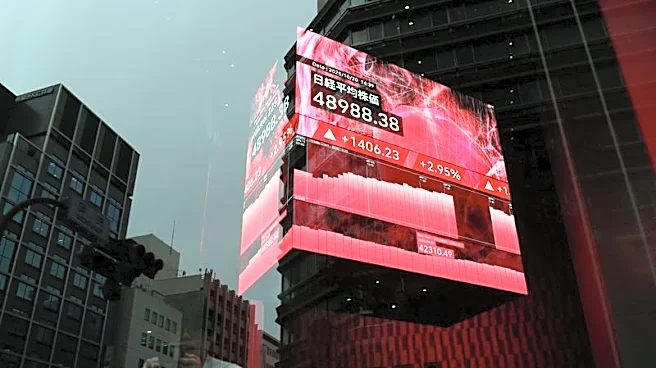
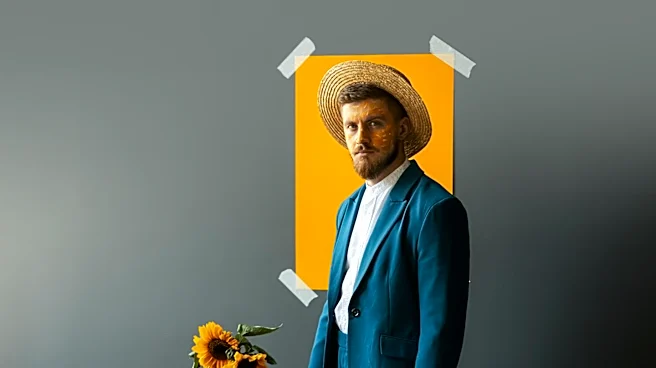
Sotheby's recently sold a Van Gogh oil-on-canvas masterpiece for $190 million, marking it as one of the most expensive artworks ever sold. This sale occurred during a period of significant market volatility, including a more than $2 trillion loss in Nvidia's
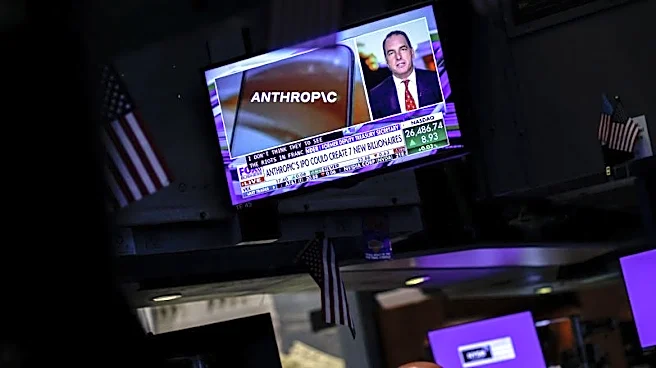
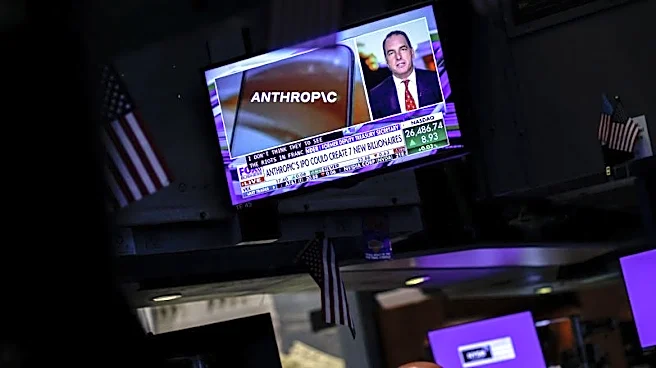
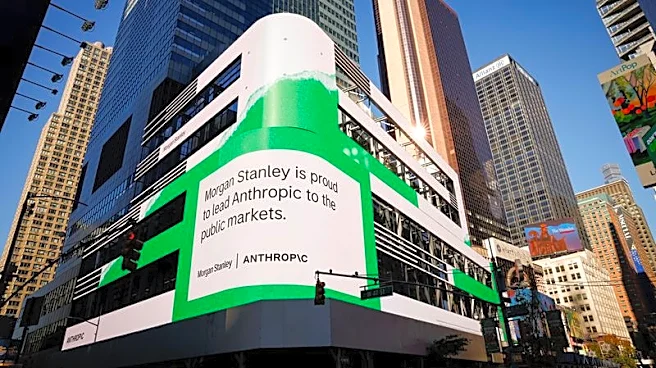
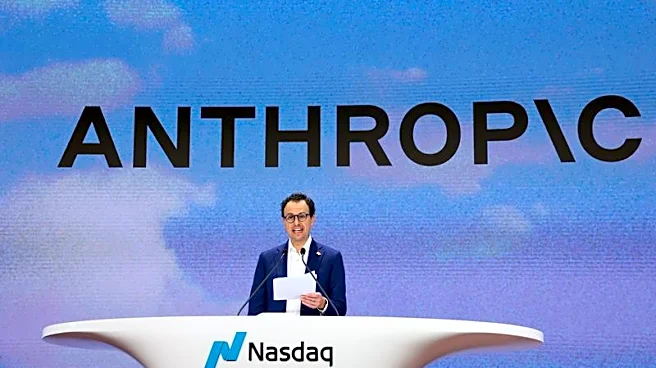
market capitalization since early October and the minting of new billionaires from Anthropic's IPO. The art market, particularly for 'once-in-a-century' masterpieces, appears to be defying broader economic fluctuations. This particular Van Gogh is one of two from the same collectors that have each sold for $190 million within a year, highlighting a sustained demand for rare and significant art pieces despite a seemingly paradoxical sentiment among some art dealers regarding the 'value' of money. The event was part of a series of auctions in New York where billions of dollars were spent over a few days.
Why It's Important?
The sale of a Van Gogh for $190 million underscores the resilience and unique nature of the high-end art market, often acting as a hedge against economic instability. In times of financial uncertainty, ultra-high-net-worth individuals may view rare art as a tangible asset that retains or even appreciates in value, contrasting with the volatility seen in technology stocks like Nvidia. This trend indicates a flight to quality and scarcity, where masterpieces are perceived as secure investments. The continued demand for such artworks also reflects a broader cultural significance, where art transcends mere financial value to become a symbol of status, heritage, and enduring beauty. The event highlights a growing divergence between traditional financial markets and the exclusive art market, where different economic rules and investor motivations often apply.
Beyond the Headlines
The record-breaking art sale raises questions about the nature of wealth and value in an era marked by rapid technological advancements and economic shifts. The sentiment expressed by an art dealer—'It seems like money’s lost all its value'—while billions are simultaneously spent on art, points to a complex psychological and economic landscape. This paradox suggests that for some, traditional measures of wealth are becoming less meaningful, leading to an increased emphasis on non-fungible, culturally significant assets. The art market, in this context, becomes more than just a place for transactions; it's a reflection of societal values, where the pursuit of beauty and historical significance can command extraordinary prices, even as other sectors experience significant downturns. This trend could further entrench art as a distinct asset class, increasingly decoupled from mainstream economic indicators.