



What's Happening?
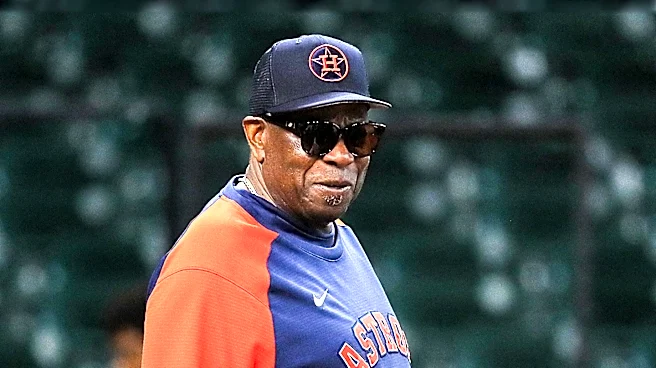
Dusty Baker is a strong candidate for the 2027 Contemporary Baseball Era Committee Managers/Umpires/Executives ballot, with his career statistics and achievements bolstering his case for induction into the Hall of Fame. Baker's extensive managerial career spans
26 seasons, during which he has accumulated 2,183 wins and managed 4,046 games, placing him eighth in both categories among all managers. He has led his teams to 13 playoff appearances, three pennants, and, notably, a World Series championship in 2022 with the Houston Astros, becoming the oldest manager to achieve this feat at age 73. His career winning percentage stands at .540. Baker is also the only manager to take five different franchises to the postseason, demonstrating his adaptability and resilience. His journey includes overcoming various challenges, such as unsubstantiated rumors of cocaine usage during his playing career and later facing criticism regarding his handling of players like Barry Bonds amidst steroid allegations. Despite these hurdles, Baker has consistently led competitive teams, with 13 seasons of 90 or more wins.
Why It's Important?
Dusty Baker's potential induction into the Hall of Fame carries significant importance for U.S. sports, particularly in baseball, as it recognizes a manager with a unique and impactful career. His success as one of only three Black managers to win a World Series highlights progress in diversity within leadership roles in professional sports, though the source notes a historical shortage of minority representation in management. Baker's ability to adapt to different team dynamics and organizational philosophies, as evidenced by his success with five different franchises, underscores the value of experienced leadership in a constantly evolving sport. His career also reflects the changing landscape of baseball, from the 'old-school' approach to incorporating analytics, a shift he has embraced. His story serves as an inspiration, showcasing perseverance through personal and professional challenges, and his eventual World Series win with the Astros solidified his legacy, demonstrating that sustained success can be achieved even later in a career.
What's Next?
The 2027 Contemporary Baseball Era Committee will vote on candidates in San Diego on December 6. For Dusty Baker to be inducted into the Hall of Fame, he must receive at least 75% of the vote from the 16 committee members. If successful, he will be inducted in Cooperstown on July 25, 2027, alongside any candidates elected by the BBWAA. His retirement after the 2023 season, following the Astros' loss in Game 7 of the ALCS, marks the end of his active managerial career, making this vote a definitive moment for his legacy. The committee's decision will not only honor Baker's individual achievements but also potentially influence future considerations for managers with long and impactful careers, especially those who have navigated significant changes in the sport.
Beyond the Headlines
Beyond the immediate recognition of a Hall of Fame induction, Dusty Baker's career illuminates deeper implications within professional baseball and American society. His journey from a young player drafted by the Braves to a World Series-winning manager reflects the enduring power of dedication and resilience. The challenges he faced, including racial discrimination in the Jim Crow South during his minor league years and later navigating controversies like the BALCO scandal, highlight broader societal issues that intersect with sports. His eventual embrace of analytics, despite being perceived as 'old-school,' demonstrates a capacity for growth and adaptation that is crucial in any field. Baker's role as a mentor and his ability to connect with players on a human level, as noted in the source, underscore the importance of leadership qualities beyond tactical expertise. His story also subtly touches on the evolving relationship between managers, general managers, and ownership, particularly regarding job security and contract negotiations, even for highly successful individuals.