







What's Happening?
The Massachusetts Healey-Driscoll Administration, in collaboration with the Innovation Institute at the Massachusetts Technology Collaborative, has allocated nearly $2 million to six organizations under the Massachusetts Robotic Digital Twin Initiative.
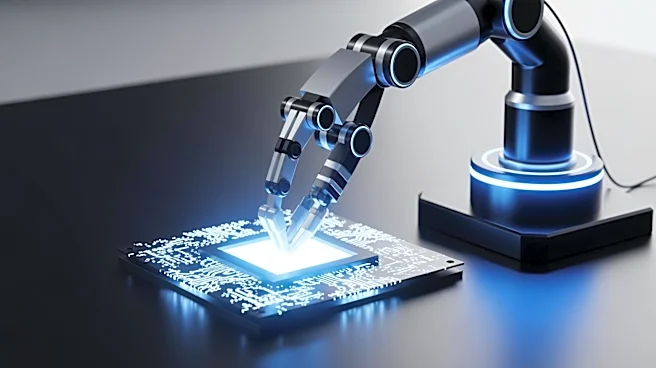
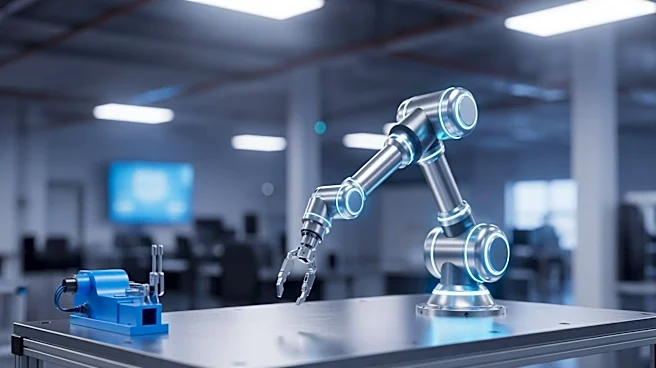
This funding aims to accelerate the commercialization of robotics hardware by enhancing access to digital twin technologies. Digital twins are virtual replicas of physical robots that allow for virtual testing, reducing costs and improving safety. The initiative supports Massachusetts' position as a leader in robotics innovation, with over 500 robotics companies and more than 100 R&D labs in the state. The funding will help companies develop new technologies, create jobs, and bring robotics breakthroughs to market. The initiative also aims to lower barriers for entrepreneurs and researchers, fostering an innovation ecosystem that includes workforce development in STEM fields.
Why It's Important?
This initiative is significant as it strengthens Massachusetts' role as a national hub for robotics innovation. By providing financial support and resources, the state is fostering an environment conducive to technological advancement and economic growth. The use of digital twins can significantly reduce the time and cost associated with developing and testing new robotic technologies, making it easier for startups and established companies to innovate. This could lead to job creation and increased competitiveness in the global robotics market. Additionally, the initiative supports workforce development, potentially sparking interest in STEM fields among students and workers in underserved regions, thereby broadening the talent pool for the robotics industry.
What's Next?
The Massachusetts Robotic Digital Twin Initiative will continue to support the development and deployment of digital twin technologies across various sectors, including transportation, logistics, and advanced manufacturing. The initiative's impact will be monitored to assess its effectiveness in reducing barriers to entry and fostering innovation. As the state continues to invest in robotics, it is expected that more companies will be attracted to Massachusetts, further solidifying its status as a leader in the field. The initiative may also inspire similar programs in other states, contributing to the overall growth of the U.S. robotics industry.