






What's Happening?
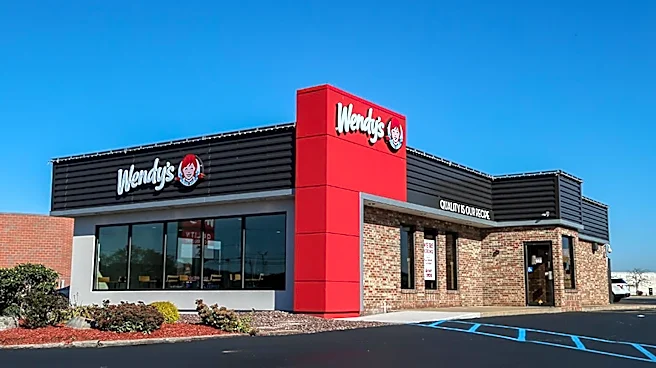
Wendy's has been surpassed by Burger King as the second-largest burger chain in the U.S., ending a six-year run. Burger King's resurgence is marked by an 8.5% increase in domestic same-store sales in the second quarter, while Wendy's experienced a 7%
decline. Wendy's CEO Bob Wright acknowledged the company's struggles, citing issues with traffic, value proposition, and franchisee economics. Wendy's plans to address these challenges by improving its menu, marketing, operations, digital experience, and restaurant growth. Burger King's turnaround strategy, initiated in late 2022, includes restaurant remodels, increased marketing, and menu improvements, particularly focusing on its signature Whopper.
Why It's Important?
The shift in rankings highlights the competitive dynamics within the fast-food industry, where chains must continuously innovate and adapt to consumer preferences. Burger King's successful turnaround strategy demonstrates the importance of investment in marketing and product quality to regain market share. Wendy's decline underscores the challenges faced by fast-food chains in maintaining customer loyalty and adapting to changing market conditions. The competition between these chains impacts franchisee economics, consumer choices, and the broader fast-food market landscape.
What's Next?
Wendy's is implementing a comprehensive strategy to regain its competitive edge, focusing on menu quality, marketing, and operational excellence. Burger King aims to capitalize on its momentum by continuing to improve customer experience and product offerings. The fast-food industry will likely see further competitive shifts as chains adapt to consumer demands and economic pressures. Both companies will need to navigate challenges such as rising costs and changing consumer preferences to maintain and grow their market positions.