



What's Happening?
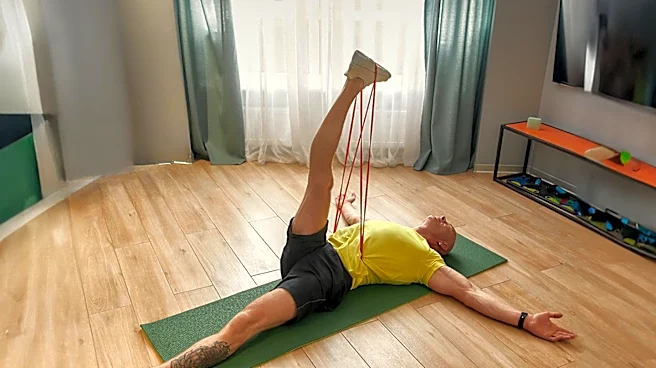
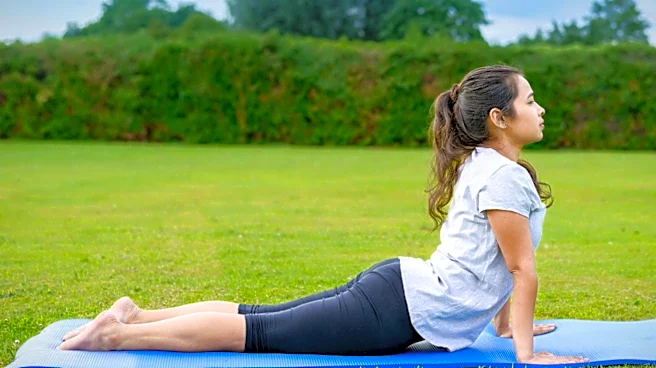
Recent discussions highlight the benefits of incorporating Pilates, yoga, and dedicated stretching routines for improving flexibility and mobility. Flexibility refers to the extent a muscle can lengthen, while mobility describes a joint's range of motion.
Pilates, in particular, is noted for building flexibility through controlled, strength-based movements, where muscles are lengthened while core and stabilizing muscles remain engaged. This approach differs from passive stretching, which primarily focuses on holding a lengthened position to release tension, and yoga, which combines stretching with breathwork and mindfulness. The integration of these practices is seen as a comprehensive approach to physical well-being, supporting better posture, smoother movement patterns, and enhanced control in daily activities. Even short, consistent sessions are advocated for cumulative positive changes over time.
Why It's Important?
The emphasis on flexibility and mobility is crucial for a broad spectrum of individuals, from those seeking general wellness to athletes aiming for peak performance. Improved flexibility and mobility can significantly reduce the risk of injuries, enhance recovery, and contribute to overall physical efficiency and fluidity. For the general public, these practices can alleviate muscle tension, improve posture, and make everyday movements more comfortable and controlled. In the context of sports and physical activities, enhanced mobility allows individuals to tackle physical challenges more effectively and achieve higher performance levels. The combination of Pilates, yoga, and stretching offers a holistic approach to physical health, addressing both muscle lengthening and joint movement control, which are fundamental for a healthy, active lifestyle.
What's Next?
Individuals are encouraged to explore various methods like Pilates, yoga, and targeted stretching to find a routine that suits their needs. Many studios offer introductory classes, such as free intro classes at Club Pilates, to help newcomers familiarize themselves with the equipment and basic movements. Consistency is highlighted as key, with gradual progress expected over weeks and months rather than immediate dramatic changes. Instructors can provide modifications for exercises to accommodate different flexibility levels and address specific tight areas. The continued integration of these practices into daily routines, even for short durations, is expected to lead to sustained improvements in physical well-being and performance.
Beyond the Headlines
The growing recognition of flexibility and mobility training underscores a broader shift in fitness culture towards holistic well-being, moving beyond mere strength or cardiovascular endurance. This trend reflects an understanding that a balanced approach to physical health, incorporating elements like controlled movement, mindfulness, and muscle lengthening, is essential for long-term health and injury prevention. The accessibility of various modalities, from specialized Pilates reformers to at-home yoga practices, allows for personalized approaches to fitness. This focus on foundational physical capabilities also highlights the importance of listening to one's body and adapting exercises, promoting a sustainable and injury-conscious approach to physical activity.