







What's Happening?
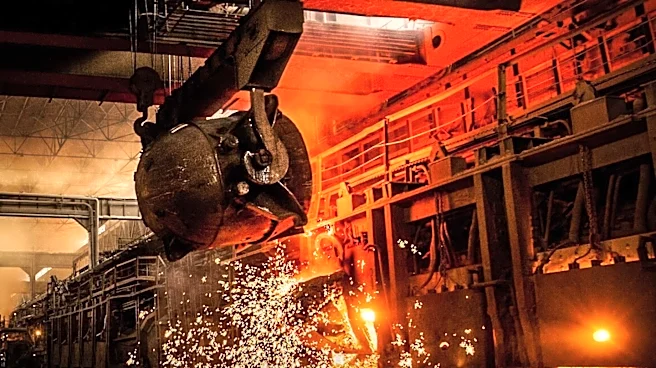
U.S. manufacturing facilities are struggling to transition to cleaner heat solutions due to high electricity costs compared to natural gas. Despite the availability of technologies like industrial heat pumps and electric boilers, the cost disparity makes
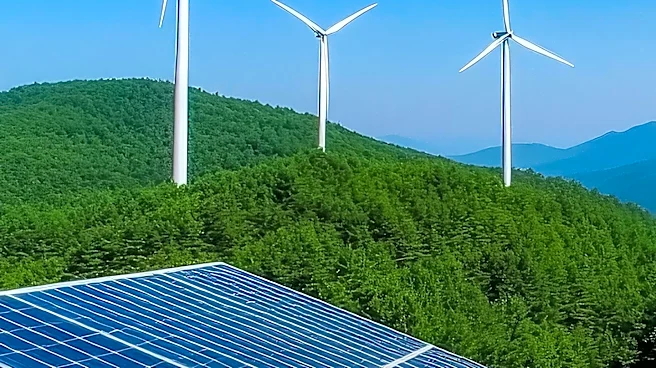
it difficult for companies to justify the switch. The industrial sector, responsible for nearly one-third of the country's carbon dioxide emissions, faces challenges in decarbonizing operations. Researchers suggest that building renewable energy projects directly beside factories could help reduce costs. A study by the University of California, Berkeley, indicates that renewable-powered heat systems could economically supply up to one-third of industrial heat demand by 2035.
Why It's Important?
The transition to cleaner heat solutions in the industrial sector is crucial for reducing carbon emissions and achieving climate goals. High electricity costs pose a significant barrier, highlighting the need for policy interventions to make clean technologies more competitive. Successfully decarbonizing the industrial sector could generate substantial economic output and create jobs, offsetting potential losses in the gas utility sector. The development of renewable energy projects near factories could provide a sustainable solution, reducing reliance on fossil fuels and enhancing energy security. Addressing these challenges is essential for the U.S. to maintain its leadership in clean energy innovation and meet international climate commitments.
What's Next?
Policymakers and utilities are exploring strategies to lower electricity costs for manufacturers, including incentives for renewable energy projects. The implementation of tax credits and industrial policies that reward low-carbon heat production could bridge the cost gap. Continued research and collaboration between industry stakeholders and government agencies will be vital in developing effective solutions. As the industrial sector seeks to decarbonize, the adoption of clean technologies will depend on the availability of cost-effective and reliable energy sources. The success of these efforts will have long-term implications for the U.S. economy and its ability to transition to a sustainable energy future.