







What's Happening?
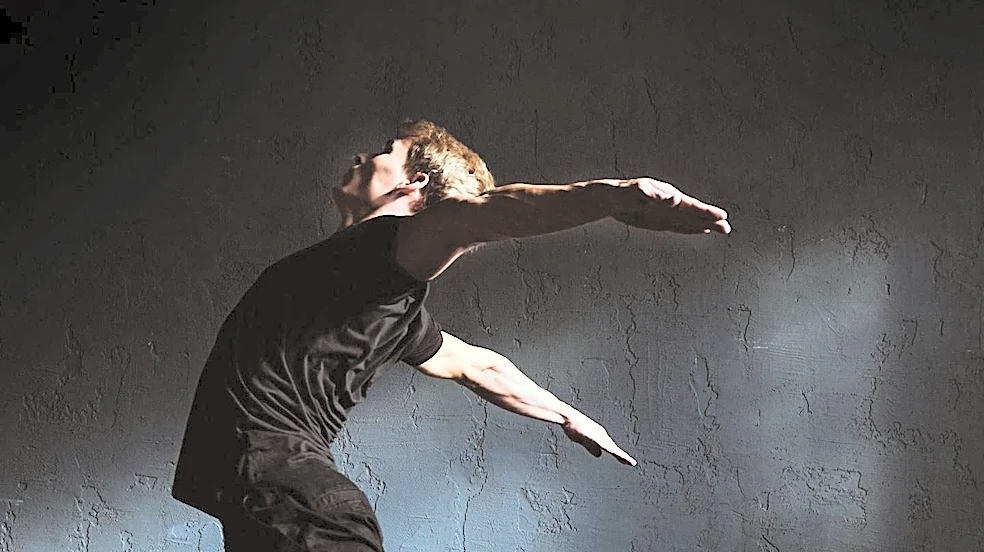
Pianist, composer, and producer Max Richter has released new music derived from his original score for 'MADDADDAM,' a three-act post-apocalyptic ballet. The ballet was choreographed by Wayne McGregor and draws inspiration from Margaret Atwood’s dystopian
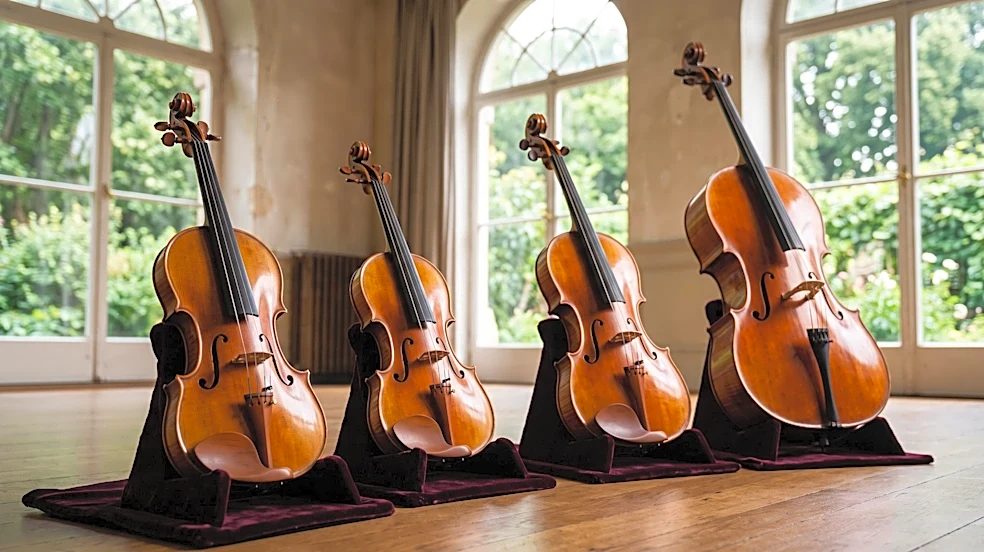
novel trilogy, which includes 'Oryx and Crake,' 'The Year of the Flood,' and 'MaddAddam.' Richter's new work is a collaborative effort, featuring the 12 Ensemble string orchestra, the Tenebrae choir led by Nigel Short, and guitarist John Parricelli. The composition integrates orchestral elements, electronic sounds, processed field recordings, choral arrangements, and piano. The music explores themes such as ecological collapse, rapid technological advancement, and resilience, utilizing recurring piano motifs to offer reflective moments within expansive, cinematic soundscapes. This release marks a significant artistic endeavor, blending various musical forms to create an immersive auditory experience that complements the narrative of Atwood's acclaimed literary works.
Why It's Important?
This release is significant for several reasons within the U.S. cultural landscape. Max Richter is a highly regarded contemporary composer whose work often bridges classical and modern genres, attracting a broad audience. His collaboration with prominent ensembles like the 12 Ensemble and Tenebrae, along with guitarist John Parricelli, highlights the interdisciplinary nature of contemporary artistic creation, potentially drawing interest from fans of classical music, electronic music, and ballet. The thematic content, addressing ecological collapse and technological acceleration, resonates with current societal concerns in the U.S., making the work culturally relevant and thought-provoking. Furthermore, the connection to Margaret Atwood's widely read dystopian trilogy ensures a built-in audience familiar with the source material, potentially expanding the reach of both Richter's music and McGregor's ballet. This project underscores the ongoing trend of adapting popular literature into other art forms, enriching the cultural dialogue and offering new interpretations of established narratives.
What's Next?
The release of this new music from Max Richter's 'MADDADDAM' score is likely to generate further interest in the full ballet production. Audiences who appreciate Richter's compositions may seek out opportunities to experience the complete ballet, potentially leading to increased ticket sales for future performances or screenings. The collaborative nature of the project could also inspire similar cross-genre artistic endeavors, encouraging other composers, choreographers, and literary figures to explore interdisciplinary adaptations. Music critics and cultural commentators are expected to review the new music, offering insights into its artistic merit and thematic resonance, which could further influence public perception and engagement. Additionally, the themes of ecological collapse and technological acceleration might spark broader discussions in academic and public forums, connecting the artistic work to contemporary societal issues. This release could also pave the way for future collaborations between Richter and other artists, expanding his influence across various artistic disciplines.
Beyond the Headlines
Beyond its immediate artistic impact, Richter's 'MADDADDAM' score delves into profound ethical and philosophical questions pertinent to modern society. The themes of ecological collapse and technological acceleration serve as a sonic commentary on humanity's relationship with the environment and the rapid pace of innovation. This work encourages listeners to reflect on the long-term consequences of current societal trajectories, prompting a deeper examination of sustainability and ethical technological development. The adaptation of Atwood's dystopian vision through music and ballet amplifies the cautionary tales embedded in the novels, making them accessible to new audiences and through different sensory experiences. This artistic interpretation can foster a more visceral understanding of potential futures, stimulating critical thought about societal choices and individual responsibilities. The blend of orchestral, electronic, and choral elements also highlights the evolving nature of artistic expression, demonstrating how traditional forms can be reimagined to address contemporary anxieties and inspire dialogue on critical global challenges.