






What's Happening?
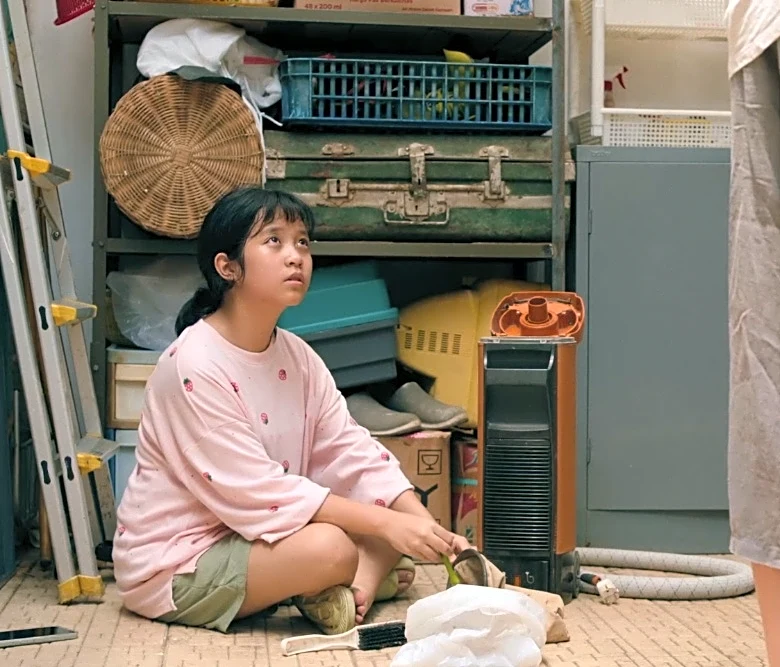
The anime series 'This Monster Wants to Eat Me', available on Crunchyroll, is being recognized for its unique portrayal of depression. The show features a main character, Hinako, who lost her family in a car crash and struggles with suicidal thoughts.
A yokai, a Japanese spirit in the form of a mermaid, promises to eat Hinako, serving as a metaphor for depression as an all-consuming monster. The series also highlights the importance of a support system, exemplified by Hinako's friend Miko, who tries to help her navigate her grief.
Why It's Important?
This anime's approach to depicting depression is significant for its potential to resonate with viewers who have experienced similar struggles. By using a supernatural metaphor, the series makes a complex and often stigmatized mental health issue more accessible and understandable. The show's exploration of a support system and the challenges of helping someone with suicidal thoughts can foster empathy and encourage discussions around mental health awareness. For the entertainment industry, it demonstrates how anime can tackle serious themes with depth and creativity, potentially influencing future productions to address mental health in nuanced ways.
What's Next?
The series 'This Monster Wants to Eat Me' is currently available for streaming on Crunchyroll. Its unique narrative and thematic depth may lead to increased viewership and critical discussion, particularly within mental health advocacy circles and anime fan communities. The show's success could encourage more anime creators to explore complex psychological themes, potentially leading to a broader range of emotionally resonant content in the genre. Viewers are advised to approach the series with caution if they are in a vulnerable emotional state due to its dark themes.
Beyond the Headlines
The use of a yokai as a metaphor for depression in 'This Monster Wants to Eat Me' taps into a rich tradition of Japanese folklore to address contemporary psychological issues. This blending of cultural mythology with modern mental health narratives offers a unique lens through which to understand internal struggles. The series also subtly critiques the societal pressure to maintain a cheerful facade, revealing the hidden emotional labor involved in supporting someone with depression. This nuanced portrayal can contribute to a deeper understanding of mental health, moving beyond simplistic representations and fostering a more empathetic dialogue.