


What's Happening?
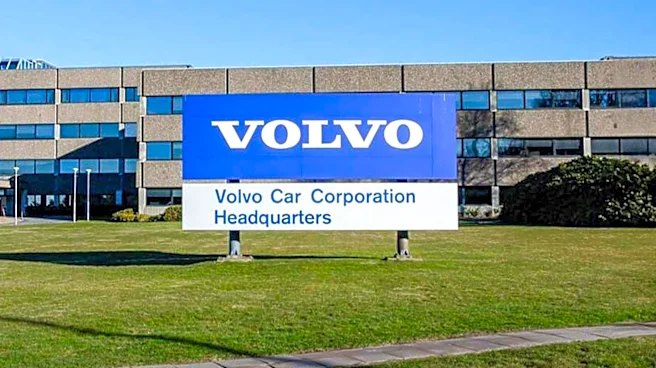
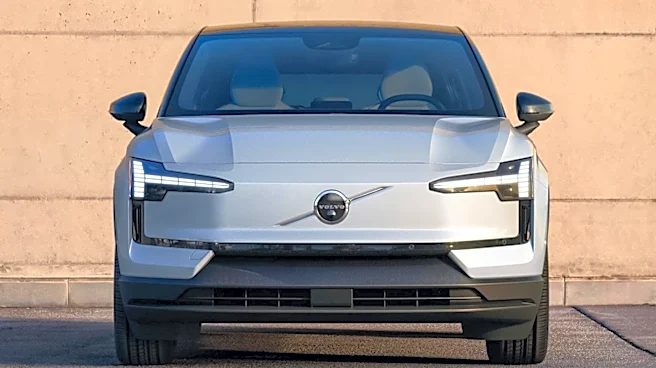
Volvo Cars reported a 16% decrease in global sales for the three months ending in October, selling 141,656 vehicles compared to 168,967 in the same period last year. This decline is primarily attributed to weakened demand in China and the U.S. In China,
increased competition from local manufacturers and a challenging macroeconomic environment have impacted sales. In the U.S., the removal of incentives for electric and plug-in hybrid cars, coupled with low consumer sentiment, has contributed to the downturn. Despite the overall decline, fully electric vehicle sales for Volvo grew by 27% globally, while plug-in hybrid sales fell by 30%. Electrified models still constituted 55% of Volvo's total sales during this period.
Why It's Important?
Volvo Cars' sales decline in key markets like the U.S. and China signals broader challenges within the global automotive industry, particularly concerning the transition to electric vehicles. The weakening demand in the U.S., partly due to the removal of EV incentives, highlights the sensitivity of consumer adoption to government policies and economic conditions. This situation could prompt other automakers to re-evaluate their electrification strategies and lobbying efforts for sustained incentives. For U.S. consumers, the shift in Volvo's focus towards mild-hybrid and plug-in hybrid models indicates a market adjustment to current buyer demand, potentially offering more diverse options. The increased competition in China also underscores the growing strength of local players, which could impact global market shares and investment strategies for international brands.
What's Next?
Volvo Cars is adapting its strategy by focusing its U.S. product mix towards mild-hybrid and plug-in hybrid models, aligning with current buyer demand. This shift suggests that franchised dealers will need to adjust their stocking plans accordingly. The company is prioritizing business stabilization over volume chasing, indicating a more cautious approach in the near term. Future developments may include further adjustments to pricing strategies and marketing efforts to stimulate demand in challenging markets. The performance of fully electric models, despite the overall decline, suggests continued investment in this segment, but the company will likely monitor the impact of incentive changes and consumer sentiment closely. Other automakers will be observing Volvo's experience to inform their own market strategies in similar economic and policy environments.
Beyond the Headlines
The challenges faced by Volvo Cars in the U.S. and China reveal deeper implications for the global automotive industry's transition to electrification. The reliance on government incentives for EV adoption highlights a potential fragility in the market, suggesting that consumer demand for electric vehicles may not yet be self-sustaining without external support. This raises ethical questions about the role of government in shaping market behavior and the long-term sustainability of such policies. Legally, changes in incentive programs can create significant volatility for manufacturers and consumers alike. Culturally, the varying rates of EV adoption across different regions, influenced by economic conditions and local competition, underscore the diverse pathways countries are taking towards a greener automotive future. This situation also emphasizes the importance of a robust charging infrastructure and competitive pricing to drive widespread EV acceptance.