


What's Happening?
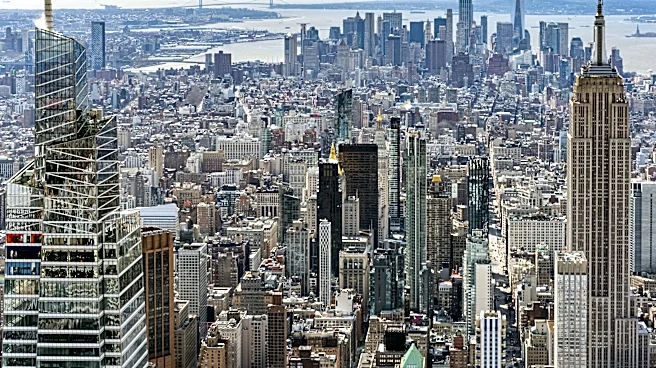
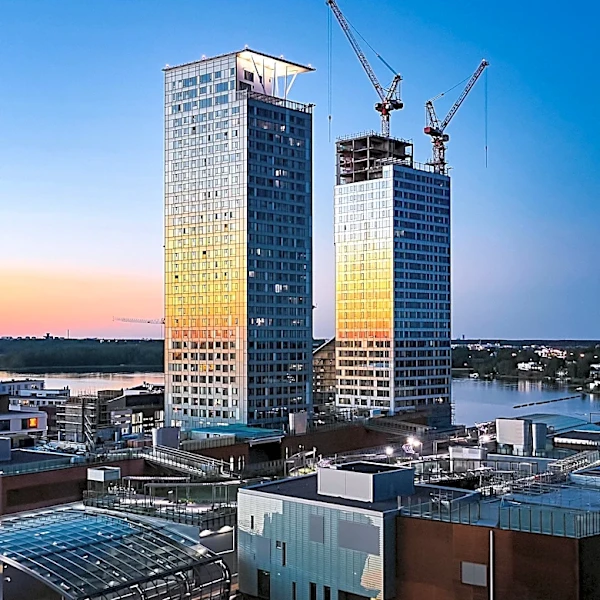
New York City is experiencing a significant surge in office construction, with 6.4 million square feet underway in Q3, nearly double the previous year's level, according to Cushman & Wakefield. This contrasts sharply with other North American markets
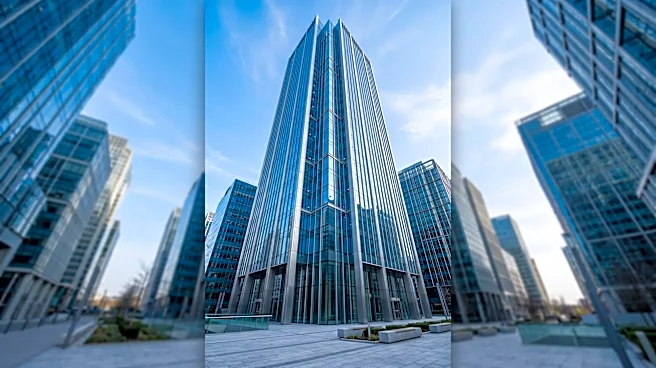
where average rents are approximately 6% below the profitability threshold for new buildings. Manhattan's average rent of $156.64 per square foot is almost 60% above its $98.69 threshold, making it an outlier where new towers are leasing above both figures. Owners are also investing in existing buildings, with over 2.5 million square feet undergoing renovation as tenants seek higher-quality spaces. Yardi Matrix data from October indicates Manhattan's office vacancy rate was 10.2% in September, the lowest among the top 25 U.S. markets, with 5.6 million square feet under construction across 11 projects.
Why It's Important?
The disparity between New York City's office market and other major U.S. cities highlights a unique economic dynamic. While Manhattan's high rents support new construction, other markets face a significant challenge where current rents do not cover the costs of land, building, operating, leasing, and financing for new developments. This situation is expected to lead to a scarcity of new, top-tier office space in many areas, pushing owners towards renovations and build-to-suits rather than new construction. The ability of New York City's market to absorb this new supply, totaling 6.4 million square feet, will be a critical test. The trend suggests a growing divide in the commercial real estate landscape, with New York potentially solidifying its position as a premium market while others struggle to justify new investments.
What's Next?
Cushman & Wakefield projects that the gap between current rents and the profitability threshold for new construction will persist into the early 2030s in many markets. This forecast suggests that new office starts will remain selective, with a greater emphasis on renovations and build-to-suits to meet tenant demand for better spaces. In New York, the immediate focus will be on whether current rents can sustain the delivery of the 6.4 million square feet currently under construction. San Francisco, Boston, and Chicago are expected to see their rents catch up to profitability thresholds in 2029, 2029, and 2032, respectively, indicating a prolonged period of adjustment for these markets.
Beyond the Headlines
The diverging trends in office construction and rent profitability across U.S. cities could lead to a significant restructuring of urban commercial landscapes. The emphasis on renovating existing buildings rather than constructing new ones in many markets might foster a more sustainable approach to urban development, potentially reducing urban sprawl and encouraging the revitalization of older commercial districts. However, it also raises questions about the long-term competitiveness of cities where new, state-of-the-art office spaces are not economically viable. This could influence corporate relocation decisions and the distribution of economic activity, potentially concentrating high-value businesses in markets like New York that can support premium office development.