




What's Happening?
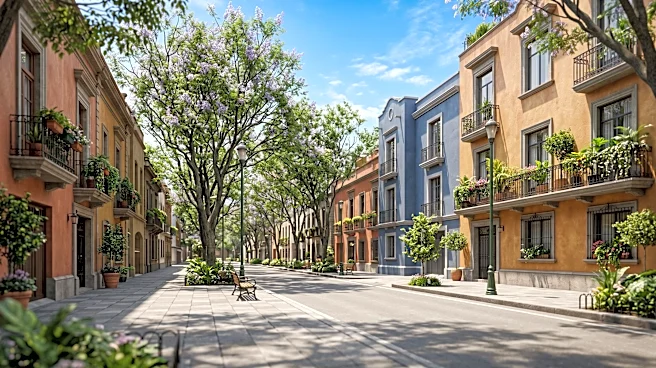
Mexico City is rapidly gaining recognition as a top destination for digital nomads, particularly for its burgeoning coliving scene. The city offers a compelling combination of a low cost of living, vibrant cultural and lifestyle hubs, reliable internet
connectivity, and a favorable visa situation. Compared to Europe, Canada, or the U.S., transportation and accommodation costs are significantly lower, as are expenses for entertainment and food. Citizens from 65 countries can enter Mexico without a visa, simplifying the process for many remote workers. The city's rich culture, diverse culinary options, and numerous attractions provide an ideal backdrop for those seeking to balance remote work with an engaging lifestyle.
Why It's Important?
The rise of Mexico City as a digital nomad hub has significant implications for the U.S. and the broader North American region. For U.S. citizens, it offers an accessible and affordable alternative for remote work, potentially drawing talent and spending power away from U.S. cities. This trend could influence migration patterns, with more Americans choosing to live and work abroad, impacting local economies and housing markets in both the U.S. and Mexico. The competitive cost of living and ease of entry in Mexico City highlight a growing challenge for U.S. cities to retain remote workers, especially those seeking a more affordable lifestyle without sacrificing quality of life. It also underscores the increasing importance of robust digital infrastructure and a welcoming environment for remote workers in urban planning and economic development strategies.
What's Next?
Mexico City's coliving market is expected to continue its expansion, with more dedicated spaces and services catering to digital nomads. This growth will likely attract further investment in the city's infrastructure, particularly in areas popular with remote workers. Other Latin American cities may look to Mexico City's success as a model, potentially leading to increased competition for digital nomad talent in the region. For U.S. policymakers and urban planners, this trend might prompt a re-evaluation of strategies to attract and retain remote workers, including addressing housing affordability and improving urban amenities. The ease of visa acquisition for many nationalities will remain a key draw, suggesting that countries with simpler entry requirements will continue to have an advantage in the digital nomad market.
Beyond the Headlines
The appeal of Mexico City for digital nomads extends beyond economic factors, touching upon deeper cultural and social dynamics. The influx of remote workers can bring both opportunities and challenges, including cultural exchange and economic revitalization, but also potential issues like gentrification and increased cost of living for local residents. The city's ability to integrate this new demographic while preserving its unique cultural identity will be crucial. Furthermore, the emphasis on 'coliving' highlights a growing desire for community and shared experiences among remote workers, challenging the isolation often associated with independent work. This trend could foster new models of urban living and social interaction, influencing how cities are designed and how communities are formed in the digital age.