






What's Happening?
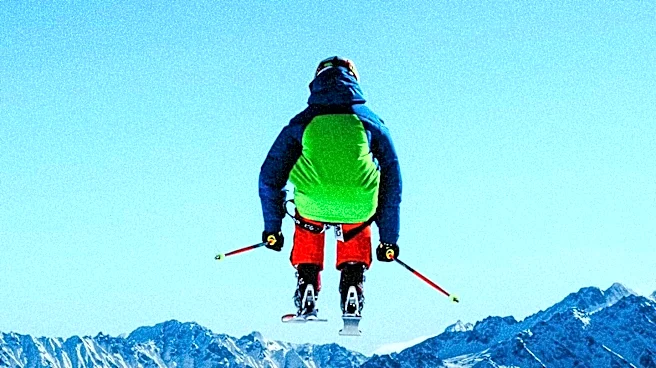
Irish comedian Bernard O'Shea has shared his personal dislikes concerning various aspects of modern life, including skiing, wearing robes in public, and consuming oat milk. O'Shea, who has never skied, expresses a reluctance to engage in the activity,
citing both a fear of heights (shared by his wife) and a perception of it being an activity for the 'upper-middle-class elite.' He also admits to an aversion to wearing hotel robes, despite staying in luxury accommodations, due to an internal monologue questioning the appropriateness of such attire. Furthermore, O'Shea, who is lactose-intolerant, avoids ordering oat milk lattes in public, despite finding the taste acceptable, out of embarrassment and a fear of being judged. These reflections highlight his self-conscious nature and his 'culchie soul's' resistance to certain social norms and trends.
Why It's Important?
Bernard O'Shea's candid reflections offer a relatable perspective on social anxieties and the pressures individuals feel to conform to certain lifestyle trends. His humorous take on avoiding activities like skiing or ordering oat milk, despite personal preferences or needs, underscores a broader societal phenomenon where self-image and perceived social acceptance often influence personal choices. This narrative is important as it subtly critiques the unspoken rules of social conduct and the internal battles people face in navigating them. It also sheds light on how personal identity, in O'Shea's case, his 'culchie soul,' can shape one's comfort levels with seemingly innocuous daily activities. The piece resonates with anyone who has felt out of place or self-conscious in social situations, making it a commentary on authenticity versus conformity in contemporary culture.
What's Next?
While O'Shea's piece is a personal reflection rather than a call to action, it may encourage readers to consider their own social anxieties and the extent to which they allow external perceptions to dictate their choices. The comedian's humorous approach could inspire more open conversations about these everyday pressures. There might be a continued trend of public figures sharing similar personal anecdotes, fostering a sense of community among those who feel similar social discomforts. O'Shea himself mentions a future plan to take a 'How to take a compliment' class, suggesting a potential for personal growth and a continued exploration of these themes in his work. His observations could also spark discussions on the authenticity of online trends and the gap between public image and private reality.
Beyond the Headlines
Beyond the immediate humor, O'Shea's commentary touches on deeper psychological and cultural implications. His reluctance to embrace certain 'elite' activities or public displays of comfort (like wearing a robe) can be seen as a form of cultural resistance or a manifestation of imposter syndrome. The 'culchie soul' he references speaks to a sense of identity rooted in a more traditional or rural background, which can clash with modern, urban, or globalized trends. This internal conflict highlights the ongoing tension between maintaining one's authentic self and adapting to societal expectations. The piece also subtly critiques consumer culture, where certain products or experiences (like oat milk or skiing) become markers of social status or belonging, creating pressure for individuals to adopt them even if they don't genuinely align with their preferences.