







What's Happening?
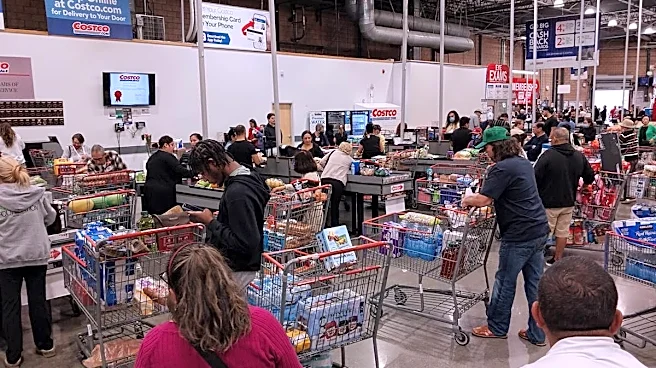
The U.S. grocery sector is experiencing a slowdown as consumers purchase fewer items, despite rising prices. According to Bain & Company and NielsenIQ data, grocery unit sales fell by 1.8% in June compared to the previous year, reversing a slight growth
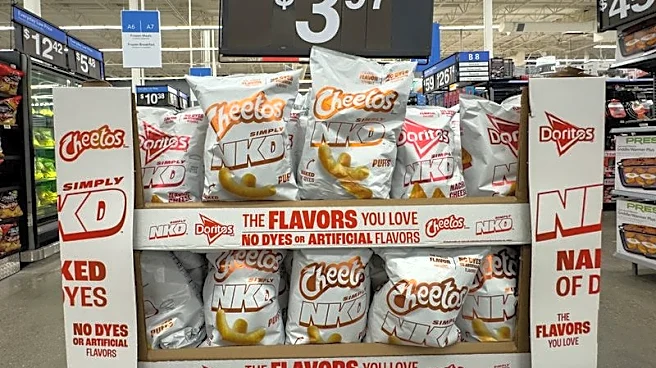
trend from 2025. This decline is attributed to several factors, including increased grocery prices, higher fuel costs, and reduced SNAP benefits. As a result, consumers are opting for cheaper brands, buying fewer items, and relying more on promotions. This shift is impacting food manufacturers like PepsiCo, which reported weakened North American demand and a 2% drop in food revenue.
Why It's Important?
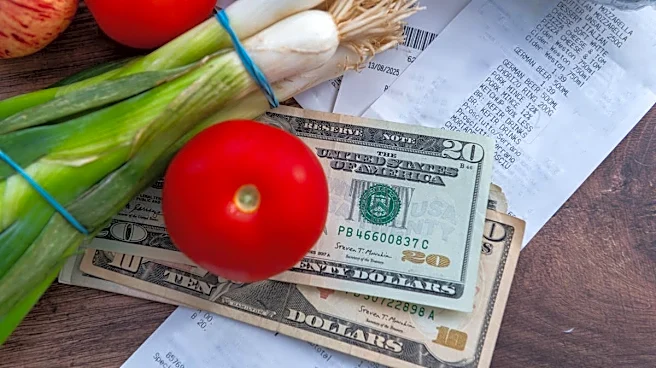
The slowdown in grocery sales reflects broader economic pressures on consumers, particularly those from lower-income households. As grocery prices have risen by approximately 33% since 2019, consumers are feeling the financial strain, leading to changes in purchasing behavior. This trend poses challenges for food companies, which must adapt to shifting consumer preferences and increased price sensitivity. The situation underscores the importance of strategic pricing and promotional efforts by retailers to maintain sales and customer loyalty. The industry's response could influence future pricing strategies and consumer trust in brand value.
What's Next?
Food companies and retailers are likely to continue adjusting their strategies to address the decline in unit sales. This may involve increased promotional activities, price cuts, and a focus on value-oriented products. Retailers like Walmart and Kroger have already implemented price reductions and promotions to attract cost-conscious shoppers. The industry's ability to adapt to these changes will be crucial in achieving unit growth and maintaining profitability. As economic pressures persist, the grocery sector's response will be closely watched by stakeholders seeking to understand consumer behavior and market dynamics.