






What's Happening?
Dr. Alice Fagin, a burn surgeon at Shriners Children’s Hospital, is issuing a warning about the heightened risk of burn injuries to children during Labor Day weekend cookouts. She notes that children are frequently injured not only by direct contact with
grill grates but also by other hot surfaces like grill covers, metal sides, and even side tables. Fire pits also pose a significant danger, particularly from hot coals that remain after flames appear to be out. Dr. Fagin emphasizes that young children, lacking a sense of danger, are especially vulnerable as they may crawl or run near heat sources unnoticed. Alcohol consumption by adults during festivities can further reduce vigilance, increasing the risk of accidents.
Why It's Important?
The warning from Shriners Children's Hospital underscores a critical public health concern during holiday periods when outdoor cooking and gatherings are common. Children's burn injuries can be severe, leading to long-term physical and emotional trauma, extensive medical treatments, and significant financial burdens for families and the healthcare system. The preventable nature of these injuries highlights the need for increased parental and guardian awareness and proactive safety measures. The potential for reduced adult vigilance due to alcohol consumption during celebrations adds another layer of risk, emphasizing the importance of responsible adult supervision. This issue affects families nationwide, as Labor Day cookouts are a widespread tradition, making burn prevention a relevant concern for communities across the U.S.
What's Next?
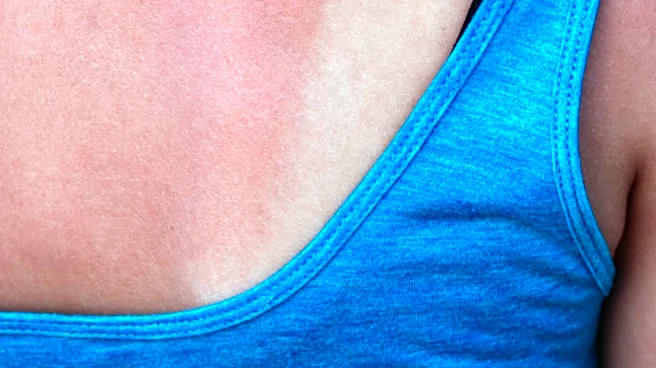
To prevent burn injuries, Dr. Fagin recommends establishing a child-free zone of at least three feet around grills and fire pits. She also advises hosing down and raking fire pits after use to ensure all hot coals are extinguished. In the event of a burn, immediate action within the first 60 seconds is crucial: cool the affected area with cool or lukewarm water and remove any clothing trapping heat. For severe burns, prompt medical attention is necessary. Additionally, with high temperatures expected, Dr. Fagin reminds individuals to apply and reapply sunscreen and stay hydrated during outdoor activities. These preventative measures and first-aid guidelines are critical for ensuring a safer Labor Day weekend for families.
Beyond the Headlines
The recurring issue of child burn injuries during holidays points to a broader societal challenge in balancing celebratory activities with safety. It highlights the need for continuous public health education campaigns that specifically target seasonal risks. Beyond the immediate physical injuries, burns can have profound psychological impacts on children, affecting their self-esteem and social development. The role of alcohol in diminishing adult supervision also raises questions about responsible consumption during family events. This situation could prompt discussions on product safety standards for outdoor cooking equipment and fire pits, as well as the effectiveness of current public awareness strategies in reaching diverse communities. Ultimately, preventing these injuries requires a collective effort from individuals, families, and public health organizations to foster a culture of safety.