






What's Happening?
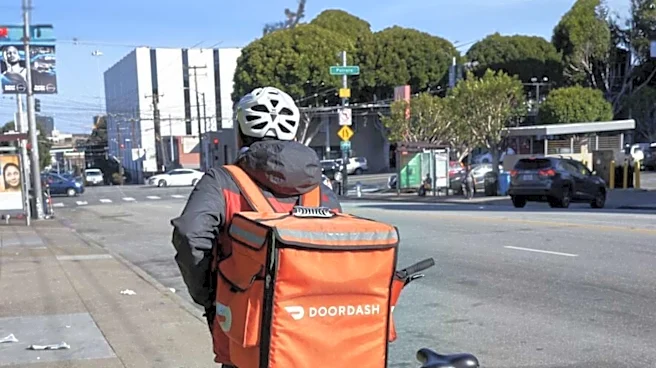
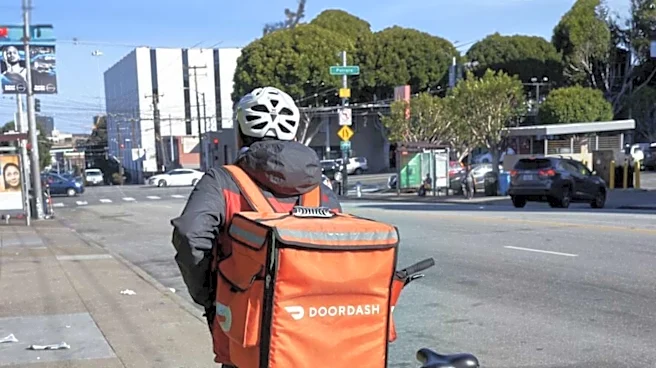
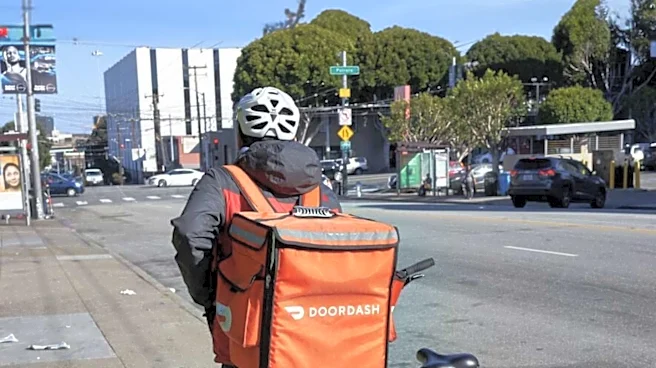
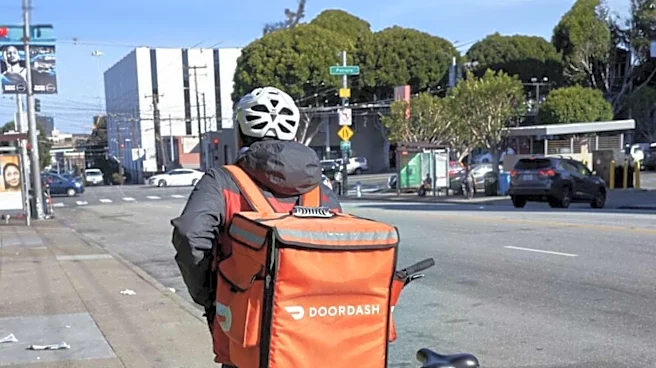
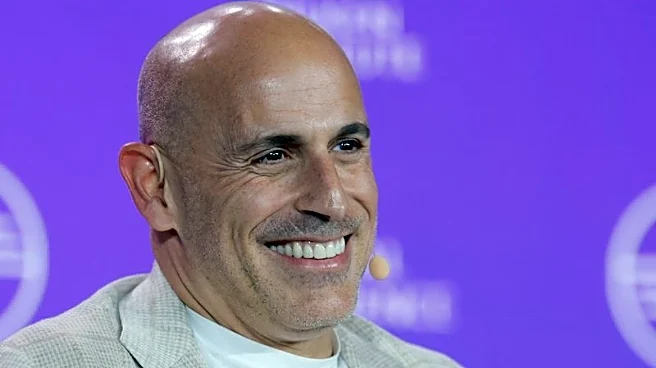
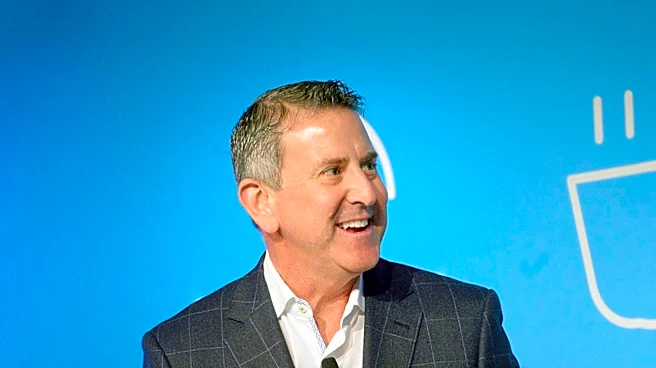
Tony Xu, Co-Founder, CEO, and Chairman of the Board of DoorDash, recently addressed the strategic rationale behind the acquisition of Instacart during a Q3 2026 earnings call. Xu emphasized that the timing is opportune because DoorDash's core business
is performing exceptionally well, with record highs in top-line and bottom-line results, accelerating growth in U.S. restaurants, and strong performance in new verticals and international markets. He highlighted that major internal projects, such as building a single tech stack and integrating Deliveroo, are on track and yielding positive results, providing the company with the 'management bandwidth' to pursue an 'offensive' acquisition. Xu views the Instacart acquisition as a move to enhance DoorDash's grocery marketplace, leveraging Instacart's expertise in first-party software for grocers and DoorDash's logistics capabilities. The goal is to empower all retailers, regardless of size, to compete effectively against larger companies by providing advanced technology and efficient delivery solutions.
Why It's Important?
This acquisition signifies a major strategic move for DoorDash, aiming to solidify its position in the rapidly expanding grocery delivery market and enhance its overall last-mile logistics infrastructure. By combining Instacart's strong enterprise storefront platform and demand generation with DoorDash's sophisticated logistics engine, the company seeks to create a more comprehensive and efficient ecosystem for both merchants and consumers. This integration is expected to drive 'higher top-line growth' and 'higher profit dollar production,' with anticipated multi-year synergies of $500 million or more. The move is particularly important for smaller grocers, as it aims to provide them with the technological tools and delivery capabilities needed to compete with larger players like Amazon and Walmart. For consumers, the acquisition is projected to result in faster delivery, lower prices, greater selection, and higher order accuracy, ultimately enhancing the overall customer experience.
What's Next?
DoorDash anticipates a 'very positive response from grocers' to the acquisition, as it aims to provide them with enhanced tools and increased density in the delivery network, leading to faster delivery times and more affordable prices. The company plans to integrate Instacart's capabilities, particularly its first-party software products for grocers, with DoorDash's logistics expertise. This integration is expected to accelerate the vision of managing inventory on behalf of all retailers and building a robust local infrastructure for last-mile delivery. While the Instacart brand will be supported, the primary value for consumers will manifest in improved service quality, such as faster delivery and greater selection. DoorDash also plans to offer combined subscription benefits, allowing DashPass members access to both DoorDash and Instacart membership programs. The re-platforming of DoorDash's tech stack, expected to be completed by the first half of 2027, is designed to facilitate future integrations, including that of Instacart, making the process more efficient.
Beyond the Headlines
The acquisition of Instacart by DoorDash represents a significant consolidation in the on-demand delivery sector, potentially reshaping the competitive landscape for grocery and other retail deliveries. This move could intensify competition with other major players and influence regulatory scrutiny regarding market concentration. The emphasis on empowering smaller businesses to compete against industry giants highlights a broader trend of technology platforms offering 'as-a-service' solutions to traditional retailers. The success of this integration will depend not only on technological synergies but also on effectively managing the cultural and operational aspects of combining two large entities. Furthermore, the long-term impact on the gig economy, including earning opportunities for shoppers and drivers, will be a critical aspect to monitor as the combined entity scales its operations and optimizes its delivery network.