








What's Happening?
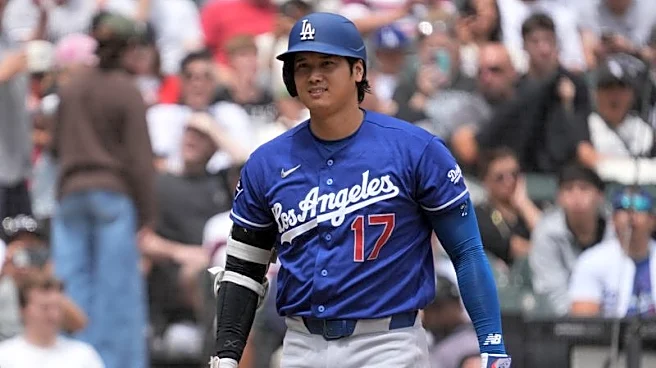
Dave Roberts, the manager of the Los Angeles Dodgers, recently missed a crucial game against the Chicago White Sox to attend his daughter's graduation at Stanford. Historically, such decisions might have been criticized, especially since the Dodgers lost
the game 4-6. However, Roberts emphasized that the evolving sports culture now allows for prioritizing family events without facing judgment. He noted that this shift reflects a broader acceptance of balancing personal life with professional responsibilities, a sentiment echoed by other players like Freddie Freeman, who took paternity leave to attend his daughter's birth. The change in attitude also extends to mental health, with athletes like Alex Vesia taking time off for personal matters, highlighting the growing importance of mental well-being in sports.
Why It's Important?
The shift in sports culture towards valuing personal and mental health is significant for athletes and sports professionals. It reflects a broader societal change where work-life balance is increasingly prioritized. This evolution allows athletes to address personal and family needs without fear of professional repercussions, potentially leading to improved mental health and job satisfaction. For the sports industry, this change could result in more supportive environments, fostering loyalty and long-term commitment from players and staff. It also sets a precedent for other industries to follow, promoting a healthier work culture across various sectors.
What's Next?
As sports culture continues to evolve, it is likely that more teams and organizations will implement policies that support personal and mental health. This could include expanded paternity leave, mental health resources, and flexible scheduling to accommodate family events. The response from fans and stakeholders will be crucial in shaping these policies, as acceptance and support from the broader community can reinforce these changes. Additionally, as more athletes speak out about mental health, there may be increased advocacy and awareness, leading to further advancements in how sports organizations address these issues.
Beyond the Headlines
The cultural shift in sports towards prioritizing personal and mental health has deeper implications beyond immediate policy changes. It challenges traditional notions of masculinity and toughness often associated with sports, promoting a more inclusive and empathetic environment. This change could influence younger athletes, encouraging them to prioritize their well-being and seek help when needed. In the long term, this could lead to a healthier, more sustainable sports industry where athletes can perform at their best without sacrificing their personal lives.