







What's Happening?
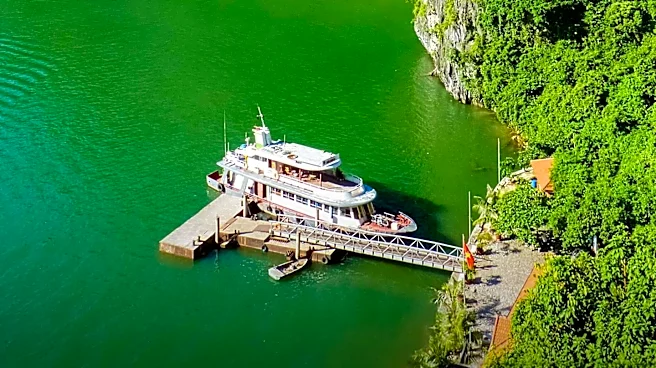
Small cruise ships are providing travelers with unique access to remote and geographically challenging destinations that are inaccessible to larger conventional cruise ships. These smaller vessels can navigate extreme tides, uncharted reefs, and shallow
river tributaries, allowing passengers to explore areas like deep sandstone gorges, ancient Indigenous rock art sites, and diverse marine wildlife habitats. For instance, expedition ships in northwestern Australia enable travelers to ride Zodiac inflatable boats through Horizontal Falls, visit King Cascade waterfall, and observe marine life in the Ashmore Reef. Similarly, Antarctica itineraries combine scientific lectures with wildlife spotting, kayaking near glaciers, and observing penguin colonies and whales. This exclusive access is due to physical restrictions, including the maneuverability limitations of larger ships, strict government conservation rules, and tonnage limits in local port regulations. These smaller ships prioritize genuine physical access to untouched regions over the amenities found on megaships.
Why It's Important?
The emergence of small cruise ship travel to previously inaccessible destinations signifies a shift in the tourism industry, offering a more immersive and environmentally conscious travel experience. This trend allows for the exploration of fragile ecosystems and culturally significant sites that would otherwise be disturbed or unreachable by mass tourism. For travelers, it provides opportunities for unique educational and adventure-based experiences, such as direct engagement with wildlife and natural phenomena in their pristine states. For the cruise industry, it opens up niche markets focused on expedition and boutique travel, catering to consumers seeking authentic and less crowded experiences. However, it also places a greater responsibility on these operators to adhere to strict conservation guidelines to protect these delicate environments from the impacts of increased human presence, even on a smaller scale. This segment of the industry highlights the growing demand for sustainable and responsible tourism practices.
What's Next?
The trend of small-ship cruising to remote destinations is likely to expand as travelers increasingly seek unique and authentic experiences away from crowded tourist hubs. Cruise lines may invest further in smaller, more agile vessels designed for expedition travel, equipped with advanced navigation and environmental protection technologies. This could lead to the discovery and opening of even more previously inaccessible locations, provided that strict conservation protocols are maintained. Regulatory bodies in these remote regions may also adapt or introduce new guidelines to manage the influx of smaller vessels, ensuring the preservation of delicate ecosystems and cultural heritage sites. Furthermore, the demand for specialized onboard educational programs and expert-led excursions is expected to grow, enhancing the experiential value of these voyages. The industry will likely see continued innovation in itinerary design, focusing on deep immersion and minimal environmental footprint.
Beyond the Headlines
The rise of small-ship cruising to remote areas touches upon broader themes of environmental stewardship and the ethics of exploration. While offering unparalleled access to pristine environments, it also raises questions about the long-term impact of any human presence, no matter how limited. The industry faces the challenge of balancing economic opportunity with ecological responsibility, ensuring that these unique destinations are preserved for future generations. This form of tourism can also foster a deeper appreciation for conservation among travelers, transforming them into advocates for environmental protection. Moreover, it highlights the evolving definition of luxury travel, moving away from opulent amenities towards exclusive access, authentic experiences, and a connection with nature. The success of this niche will depend on the industry's ability to innovate sustainably and collaborate with local communities and conservation organizations to protect these fragile frontiers.