


What's Happening?
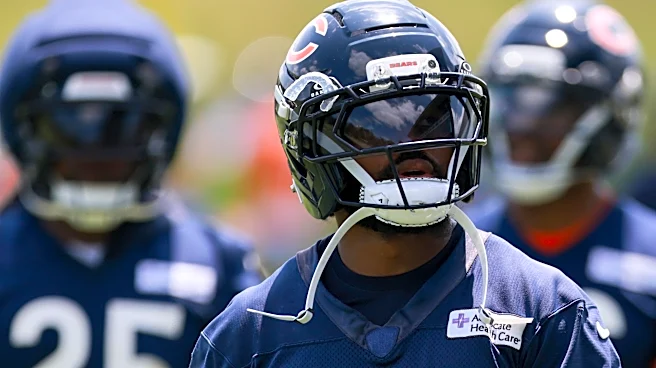
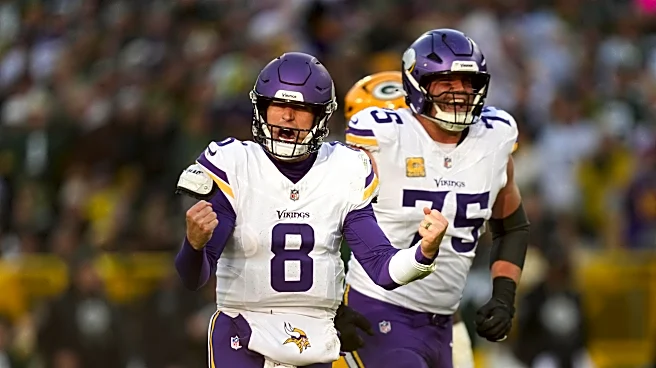
Levi Horn, a former All-American left tackle for the Montana Grizzlies and NFL veteran, recently participated in the 'Cussin’ & Discussin’' podcast. Horn, a Northern Cheyenne lineman, discussed his journey from Spokane’s Rogers High School to Oregon,
then to Montana where he achieved All-American status. His professional career included stints with the Chicago Bears, Minnesota Vikings, Spokane Shock, and BC Lions. During the podcast, Horn shared insights into his Griz career, how he earned the nickname 'The Body,' and his recovery process from post-concussion syndrome. He also highlighted his ongoing work with Native American youth, emphasizing his commitment to giving back to his community. Horn is a nominee for the Montana Pro Football Hall of Fame in 2027.
Why It's Important?
Levi Horn's story is significant for several reasons. His journey from college football success to the NFL provides inspiration for aspiring athletes, particularly those from Native American communities, demonstrating that professional sports careers are attainable. His candid discussion about post-concussion syndrome sheds light on a critical issue in professional sports, raising awareness about the long-term health impacts on athletes and the importance of recovery and support systems. Furthermore, Horn's dedication to working with Native American youth underscores the importance of mentorship and community engagement. His efforts can serve as a powerful role model, encouraging younger generations to pursue their goals while staying connected to their heritage. His nomination for the Montana Pro Football Hall of Fame also recognizes his significant contributions to the sport.
Beyond the Headlines
Beyond his athletic achievements, Levi Horn's narrative delves into broader societal issues. His experience as a Native American athlete in professional sports highlights both the opportunities and challenges faced by indigenous individuals in mainstream institutions. His work with Native American youth is crucial for cultural preservation and empowerment, providing positive representation and guidance. The discussion of post-concussion syndrome also touches upon the evolving understanding of athlete welfare and the need for better protocols and support for former players. Horn's story encourages a deeper conversation about the responsibilities of sports organizations towards their athletes' long-term health and the role of athletes as community leaders and advocates for important social causes.