






What's Happening?
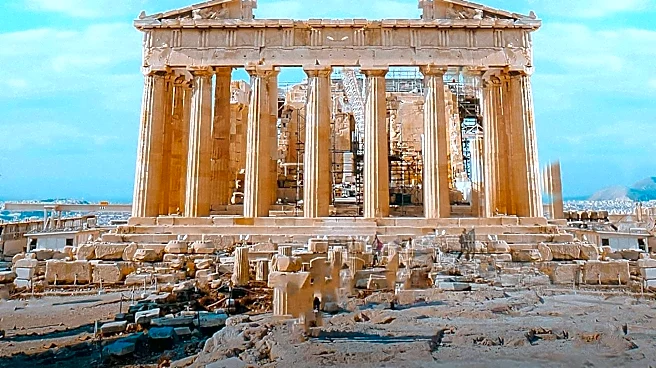
A recent study conducted by Dr. Eran Ketter and Dotan Farkash has examined the impact of heatwaves on tourist satisfaction at open heritage sites in Southern Europe, such as the Acropolis in Athens and the Colosseum in Rome. Despite the increasing frequency
and intensity of heatwaves, which are 20% higher than the global average, tourists continue to visit these sites without a significant drop in satisfaction levels. The study analyzed 6,500 TripAdvisor reviews and found that while mentions of heat and related discomfort increased on hotter days, the overall satisfaction ratings remained stable. Tourists appear to adapt their expectations and behaviors, such as visiting during cooler times of the day and carrying water, to cope with the heat.
Why It's Important?
The findings highlight the resilience of the tourism industry in the face of climate change, suggesting that while heatwaves pose challenges, they do not deter tourists from visiting iconic heritage sites. This resilience is crucial for the economies of countries like Greece and Italy, where tourism is a significant contributor. The study also underscores the need for site managers to adapt infrastructure to enhance visitor comfort without compromising the authenticity of these historical sites. This could involve providing more shaded areas and water stations, which are increasingly expected by visitors.
What's Next?
Tourism sites may need to implement strategic adaptations to maintain visitor satisfaction and safety. This includes developing infrastructure that provides natural shade and shorter, shaded routes, as well as using technology to monitor heat stress and recommend safer visiting hours. These measures will be essential as climate change continues to increase the frequency and intensity of heatwaves, potentially extending the tourist season into cooler months.